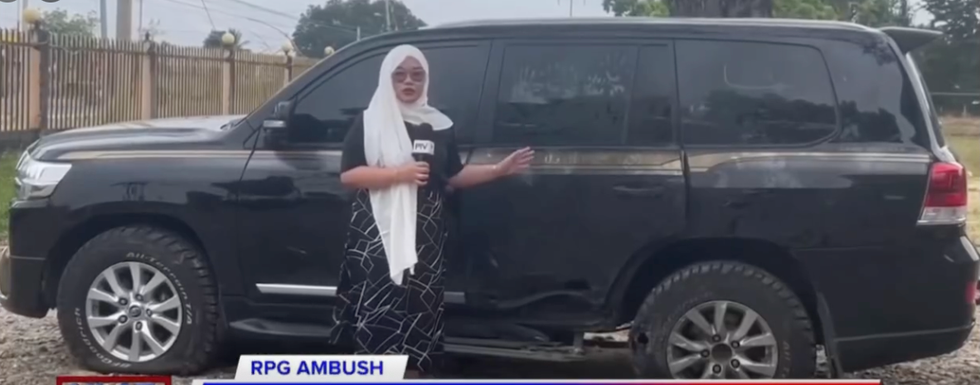
On January 25th, at approximately 6:00 AM, the quiet streets of Guindulungan in the Philippines were shattered by the roar of an ambush. The target: Mayor Akmad Ampatuan. As his convoy moved through the high-risk zone, a rocket-propelled grenade (RPG) was launched directly at his white Toyota Land Cruiser 300-Series. In most scenarios involving civilian vehicles, this would be the end of the story. However, the CCTV footage that later went viral showed something startling—despite the direct hit, the Land Cruiser didn't just survive; it continued to move, shielding its occupants from what should have been a fatal blast.
For those in the security industry, this wasn't just a lucky break; it was a masterclass in ballistic engineering. The Land Cruiser has long been the "Gold Standard" for NGOs, government officials, and private security details operating in volatile regions. But surviving an RPG requires more than just the legendary reliability Toyota builds into the chassis. It requires a transformation into a mobile fortress.
The Anatomy of an RPG Attack: Why Most Vehicles Fail
To understand how a vehicle survives an RPG, we must first understand the weapon. A standard RPG-7 doesn't just "explode" on impact; it utilizes a shaped charge. However, the survival of a vehicle during an ambush often depends heavily on the specific type of warhead used.
There is a critical distinction between anti-personnel (fragmentation) grenades and anti-tank (HEAT) rounds. Anti-personnel rounds are designed to spray shrapnel over a wide area; high-tier armoring can deflect these with relative ease. High-Explosive Anti-Tank (HEAT) rounds, conversely, use a copper cone that collapses into a high-speed jet of molten metal upon impact, designed to burn through several hundred millimeters of solid steel.
The Survival Secret: A Toyota Land Cruiser can survive an RPG attack if it is equipped with high-tier armoring, typically B7 or VPAM 10+ levels. This includes reinforced ballistic steel, multi-layered polycarbonate glass, and a blast-resistant floor designed to disperse explosive energy. While specialized anti-tank rounds are significantly more likely to penetrate even heavy civilian armoring, the engineering goal is to mitigate the "splash" and fragmentation from the more commonly encountered anti-personnel variants used in urban ambushes.
When the projectile hits, there is a "brief pause" in the physics of the event—a micro-second where the armor must absorb the kinetic energy before the explosive energy is released. If the vehicle is engineered correctly, the energy dispersal prevents the cabin from over-pressurizing, which is often what kills occupants even if the shrapnel doesn't penetrate.
The Secret Sauce: Ballistic Protection Levels B7 and Beyond
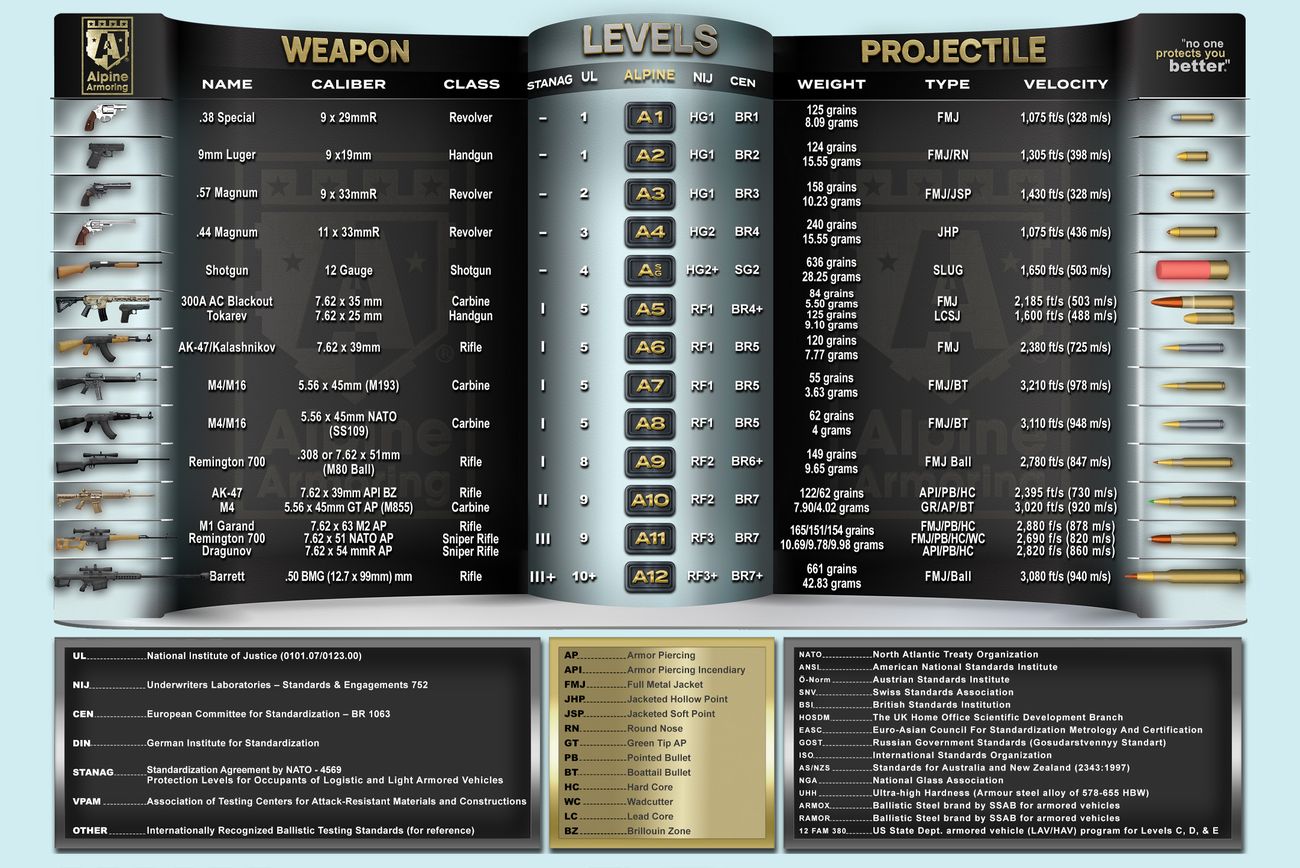
In the world of armored SUVs, not all "bulletproof" ratings are created equal. Most commercial armored vehicles are rated at B4 (handgun protection) or B6 (high-powered rifle protection like the AK-47). To survive the threats found in high-risk conflict zones, experts look toward CEN B7 or VPAM 10+ standards.
These levels are designed to stop 7.62x51mm armor-piercing rounds fired from sniper rifles. Achieving this requires a combination of material science and precision overlapping.
| Protection Level | Common Threat | Material Requirement |
|---|---|---|
| B4 (A4) | .44 Magnum, 9mm | Lightweight composites, 18-22mm glass |
| B6 (A9) | 7.62x39mm (AK-47), 5.56x45mm | Ballistic steel, 40mm+ multi-layer glass |
| B7 (A10) | 7.62x51mm Armor Piercing (AP) | Hardened steel alloys, 60mm+ polycarbonate glass |
| VPAM 10+ | Multi-hit AP rounds, Hand Grenades | Reinforced 360-degree cocoon, blast flooring |
| A12 / Military | .50 Caliber BMG, Heavy IEDs | Military-grade plating, specialized chassis |
For the Land Cruiser 300 to withstand an RPG "splash," the floor must be more than just a steel plate. It needs to be a multi-layered, blast-resistant shield designed to deflect the upward force of an explosion, preventing the frame from buckling and the seats from becoming projectiles.
Engineering a Fortress: Beyond the Steel Plates
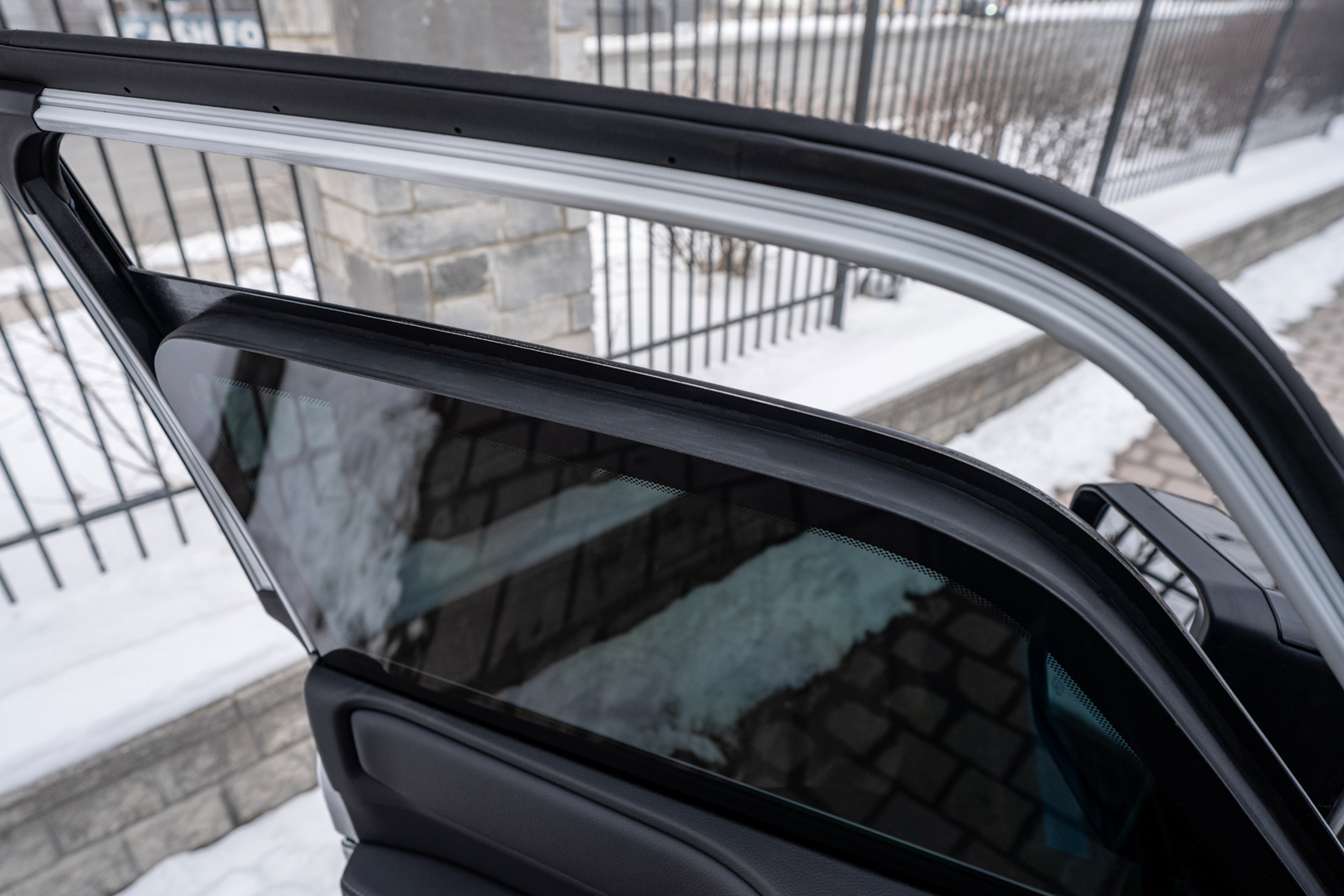
True protection is about eliminating "ballistic gaps." If a bullet hits the hinge of a door or the gap between the window and the frame, it can still enter the cabin. High-end armoring firms like INKAS or Alpine Armoring utilize a "360-degree protection cocoon." This involves lining the entire passenger cabin with overlapping plates of ballistic steel.
One of the most overlooked components in RPG survival is the floor. When an RPG strikes the side of a vehicle or the ground nearby, the vertical blast energy is immense.
Expert Insight: "The goal of blast-resistant flooring isn't just to stop fragments; it's to manage the shockwave. We use V-shape hull designs or multi-layered energy-absorbing materials to ensure the occupants' spines aren't compressed by the force of the blast hitting the vehicle's underside."
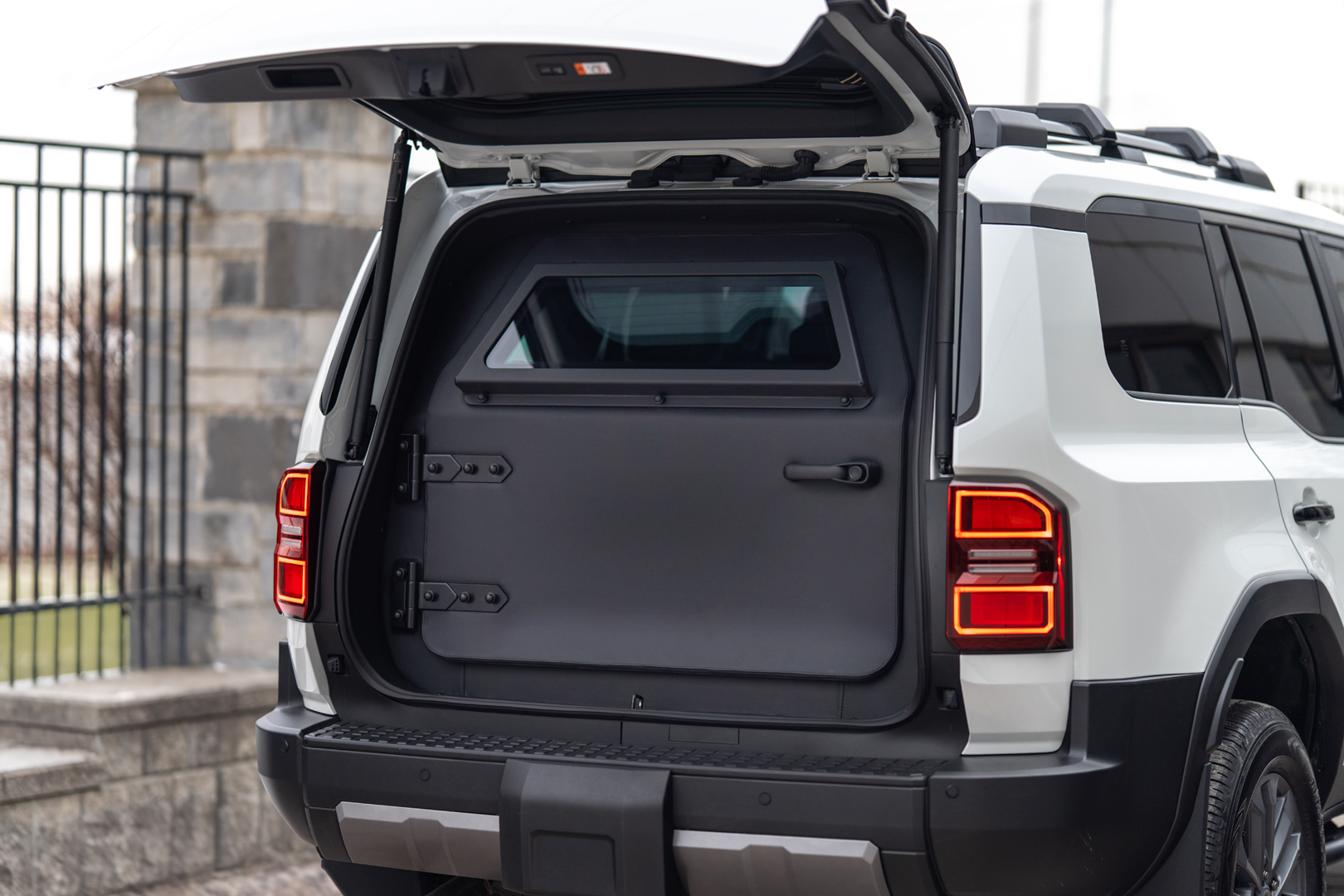
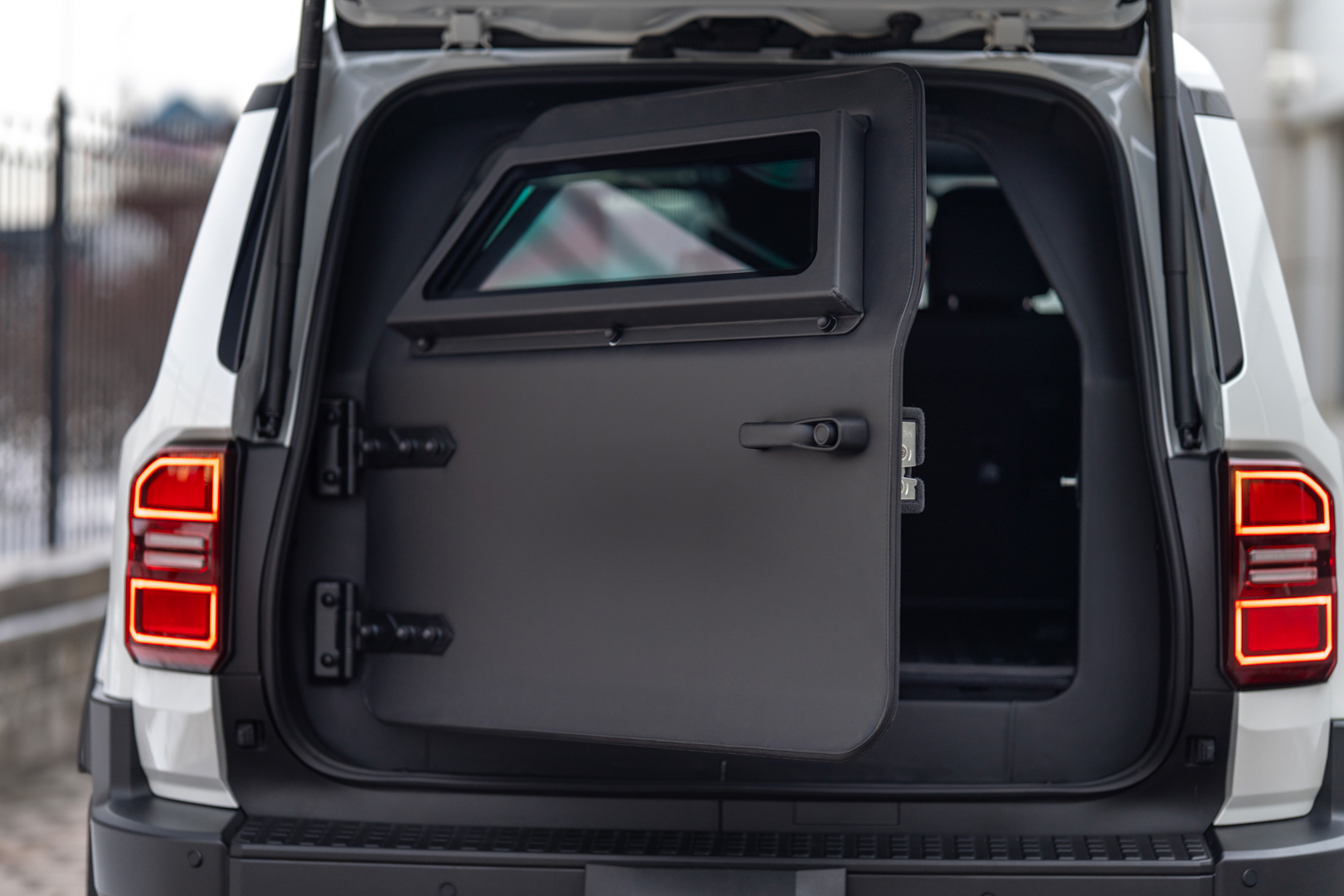
The "cocoon" philosophy extends to the rear of the vehicle. Often, a secondary interior armored door is installed behind the original liftgate. This creates a "dead space" that can absorb the initial blast of a rear-impact RPG or grenade, ensuring that even if the exterior bodywork is shredded, the pressure vessel of the cabin remains intact.
Furthermore, survival depends on the vehicle's ability to remain mobile. A "dead" armored vehicle is simply a very expensive coffin. This is why protection must extend to:
- The Radiator: Armored louvers that allow airflow but deflect bullets and shrapnel.
- The Battery and ECU: Encased in ballistic steel to prevent electrical failure.
- Fuel Tank: "Self-sealing" or encased in a ballistic "cocoon" to prevent fire.
Performance vs. Protection: The Heavy Price of Survival
The physics of armoring presents a brutal trade-off: weight. A standard Toyota Land Cruiser 300 weighs roughly 5,800 lbs. Once B7-level armoring is added, that weight can balloon to over 11,000 lbs.
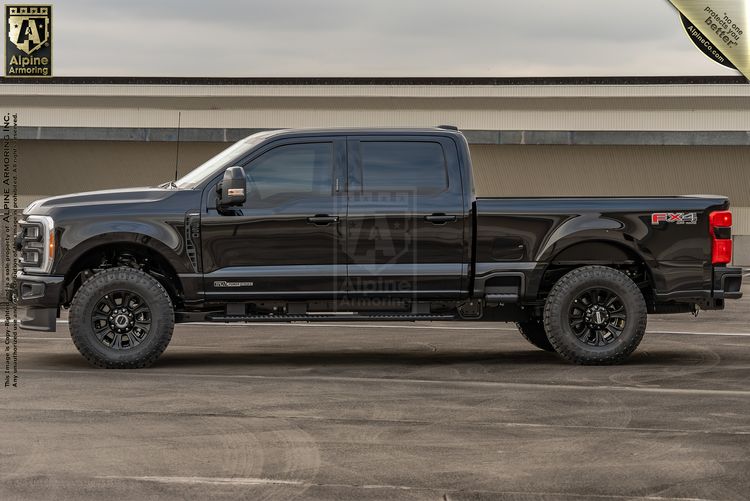
To handle this massive increase, the vehicle undergoes a radical mechanical overhaul. You cannot simply put 5,000 lbs of steel on a stock SUV and expect it to turn or stop. Tactical armored vehicles like the MASTIFF F-350 can weigh up to 11,890 pounds to support A12-grade shielding against .50 caliber armor-piercing rounds.
For the Land Cruiser 300-Series, which often utilizes a 326-hp hybrid or twin-turbo V6 powertrain, the modifications include:
- Reinforced Suspension: Heavy-duty springs and dampers to manage the constant load.
- Braking Systems: Larger rotors and high-performance calipers to counteract the increased momentum.
- Run-Flat Technology: Solid polycarbonate inserts inside the tires. Even if the rubber is blown off by an RPG blast, the vehicle can continue to drive at 30-50 mph for up to 30 miles.
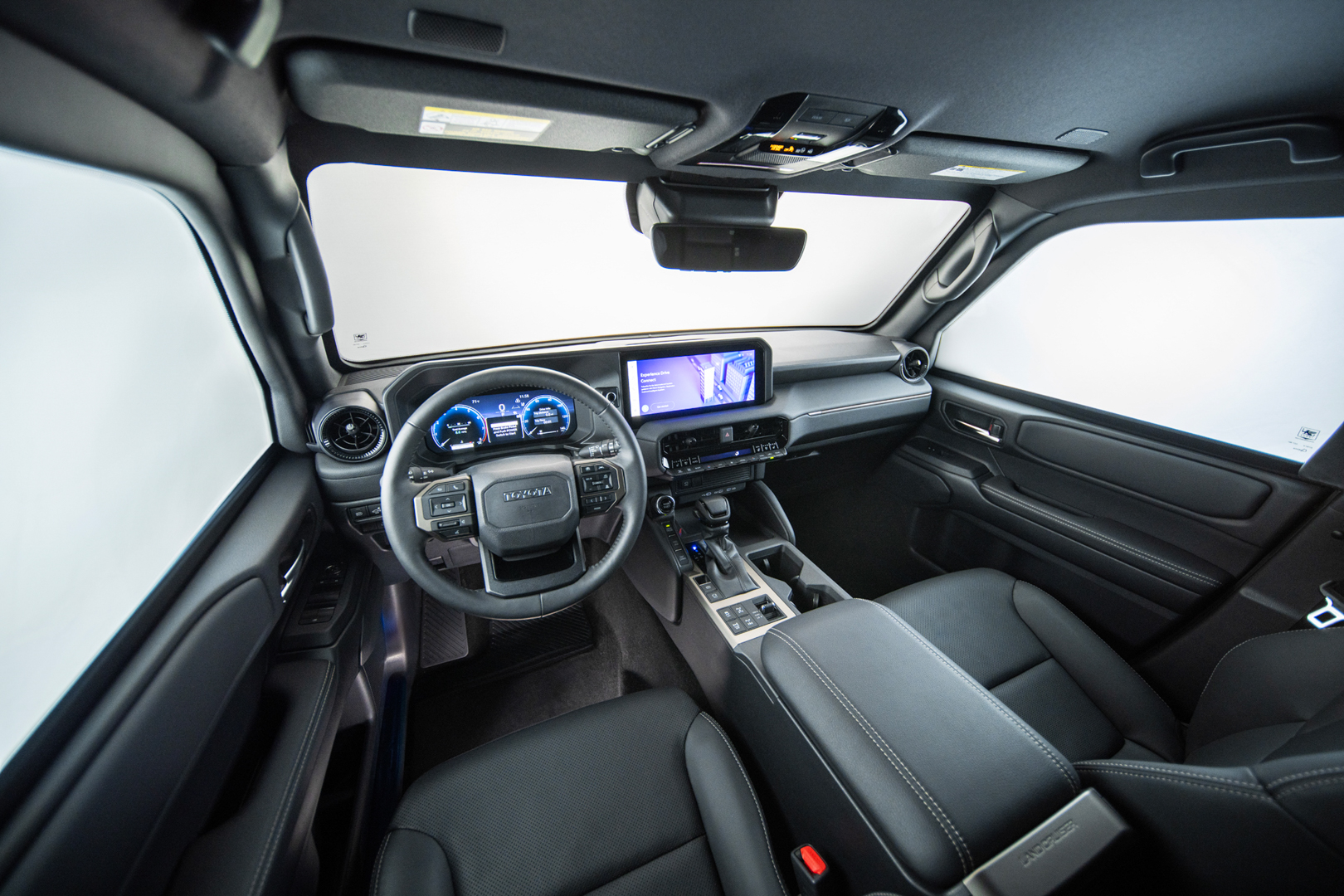
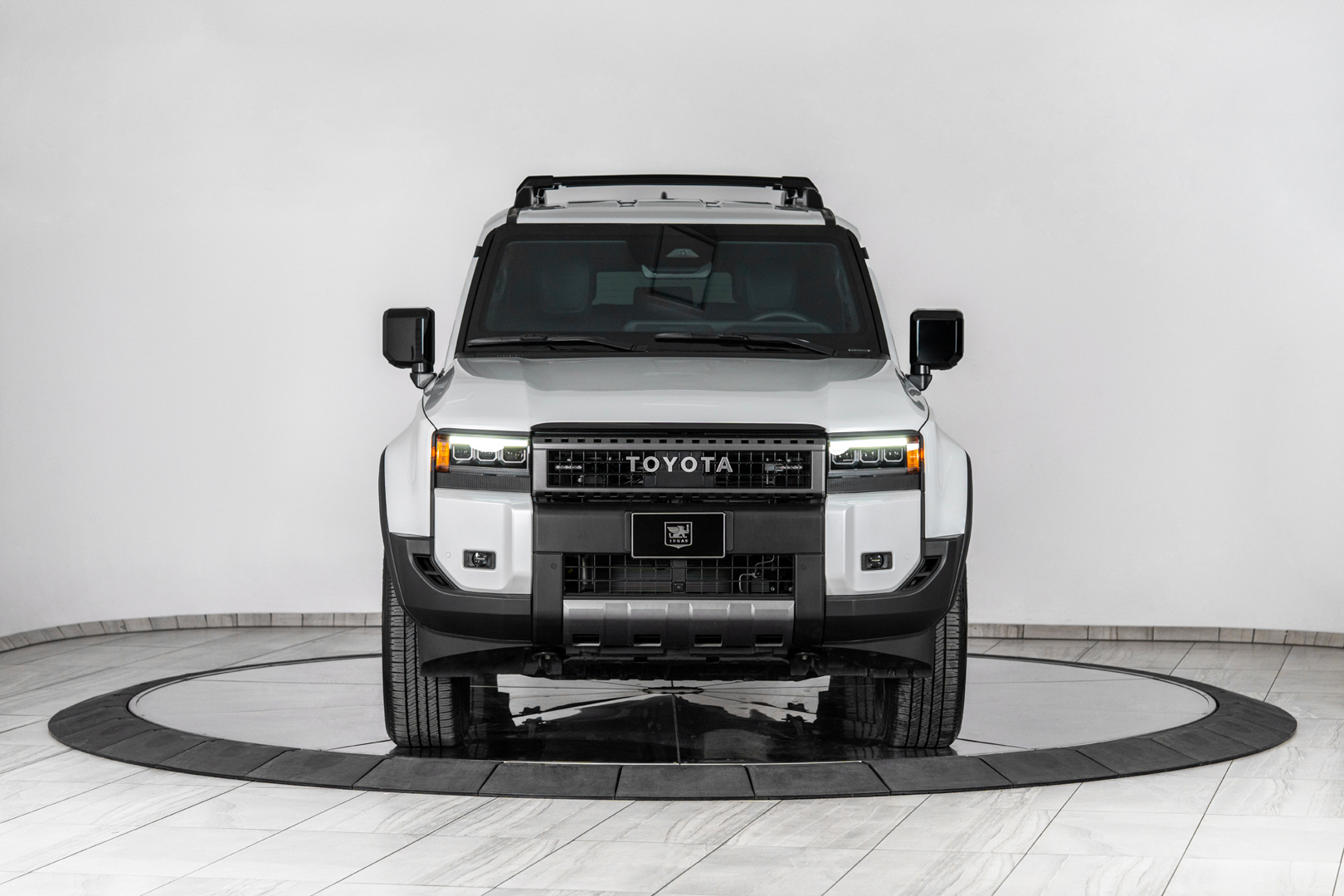
Despite the heavy-duty hardware, the interior of a professional armored Land Cruiser remains a sanctuary of luxury. The goal is "discreet armoring"—making the vehicle look identical to a factory model from the outside to avoid drawing unwanted attention.
Top Tier Options for High-Threat Environments
For those operating in "Black Zones" where RPG threats are a daily reality, standard B6 armoring isn't enough. Experts recommend moving to platforms engineered specifically for extreme ballistic loads.
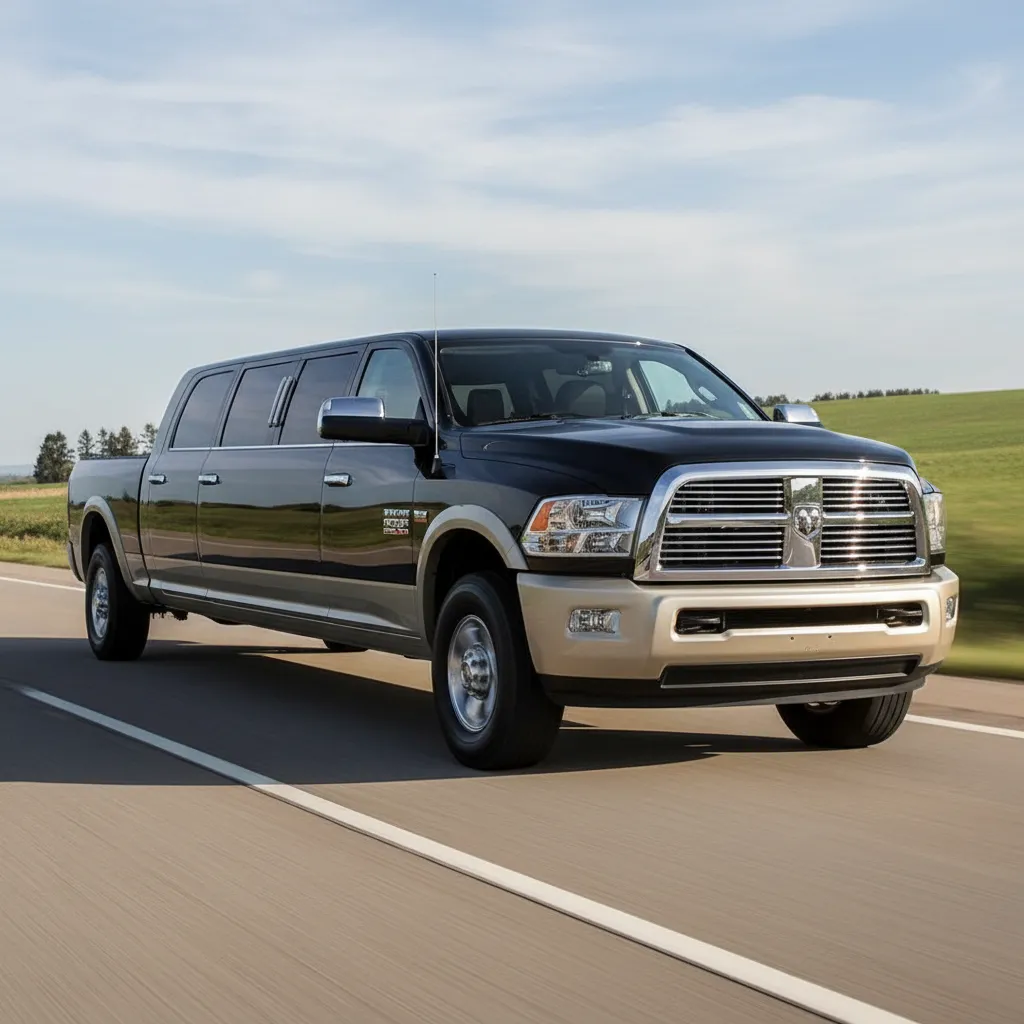
- The Alpine Armoring MASTIFF F-350: This is a "beast" of the industry, offering A12-grade shielding. It is designed to withstand multiple hits from .50 caliber rounds—a level of protection that far exceeds the capabilities of most civilian SUVs.
- The INKAS Land Cruiser 300: Known for its "discreet" BR6/B7 protection, it is the preferred choice for urban environments where the goal is to blend in while maintaining the ability to survive a roadside IED or a grenade attack.
Survival Statistics:
- Weight: Up to 11,890 lbs for A12-grade protection.
- Cost: Professional vehicle armoring scales significantly with threat levels, ranging from $75,000 for handgun protection (A1-A4) to over $600,000 for government-grade protection against machine guns and explosives (A11/A12).
- Speed: Most B7 armored SUVs are electronically limited to 80-90 mph for safety due to the extreme weight.
The survival of Mayor Ampatuan’s Land Cruiser serves as a testament to modern engineering. It proves that while no vehicle is truly "invincible" against every weapon in the military arsenal, a well-engineered armored SUV can turn a certain fatality into a survivable escape. In high-risk zones, that difference is everything.
FAQ
Q: Can a B6 armored vehicle survive an RPG? A: It depends on the proximity and type of RPG. While B6 is rated for high-powered rifles (7.62mm), it may not withstand the concentrated jet of a HEAT round. However, the 360-degree armoring can protect against the fragmentation and "splash" of a nearby anti-personnel RPG hit.
Q: Why is the Land Cruiser 300 the preferred platform? A: Beyond its off-road capability, the Land Cruiser 300 has a robust frame and a powerful engine that can handle the 5,000+ lbs of added armor without catastrophic mechanical failure. Its global parts availability also makes it easy to repair in remote regions.
Q: How do you drive a vehicle that weighs 11,000 lbs? A: It requires specialized training. The center of gravity is higher, and the braking distances are much longer. Most armored vehicle manufacturers provide tactical driving courses to help security details manage the unique physics of an armored fortress.