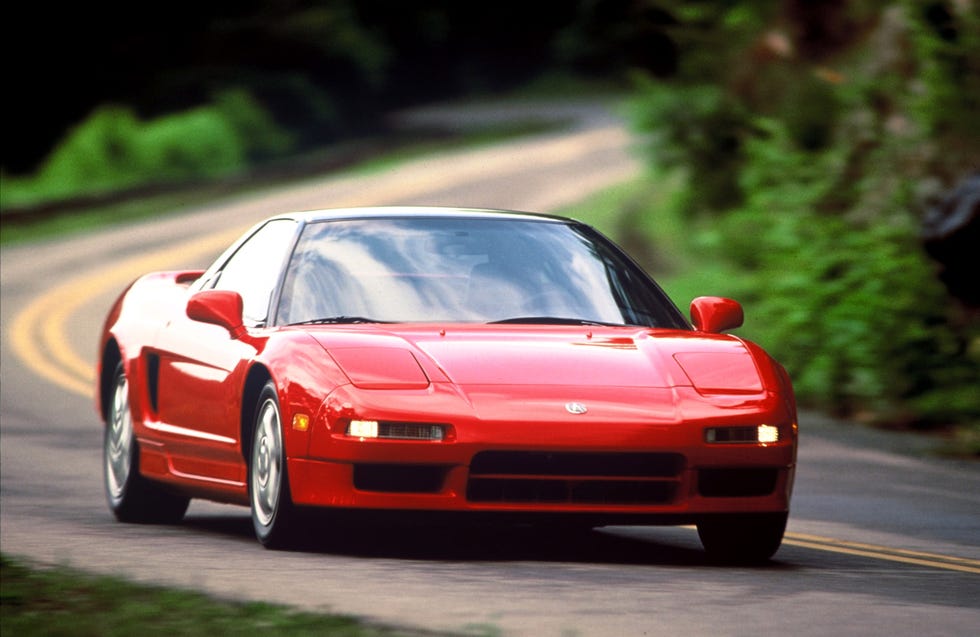
There is a specific kind of anxiety that comes with owning a masterpiece. When you’re behind the wheel of a first-generation Acura NSX, every gear change is a mechanical conversation, and every corner is a reminder of why Ayrton Senna spent sleepless nights perfecting its chassis. But for years, that conversation has been shadowed by a looming question: What happens when something breaks?
For a long time, the answer was a stressful cocktail of eBay scavenging, aftermarket compromises, or simply letting the car sit. That era is officially ending. Honda has announced the expansion of its Honda Heritage Parts program, a global initiative dedicated to reproducing and supplying discontinued genuine parts for its most iconic performance models. Starting with the first-generation Acura NSX, the brand is ensuring that these mid-engine icons remain where they belong—on the road, not under a dust cover.
Quick Facts: The NSX Revival
- Availability: U.S. owners can begin ordering reproduction parts through authorized Acura dealerships starting in the summer of 2024.
- The Big Milestone: The full global service launch is slated for April 2026, coinciding with Acura’s 40th anniversary.
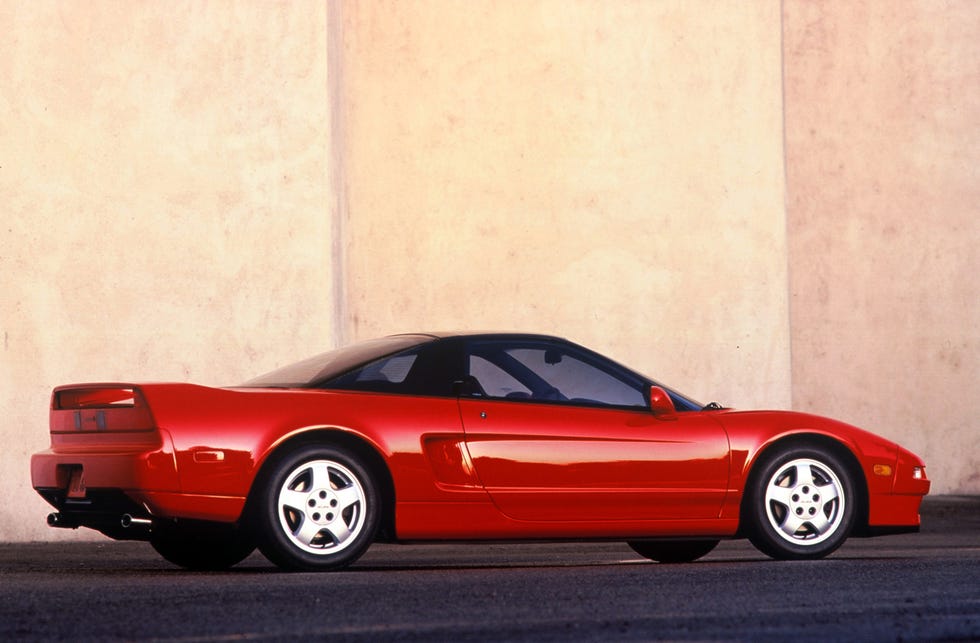
- The Hub: Honda is transforming its historic Takanezawa facility—the original birthplace of the NSX—into the Honda Heritage Works Takanezawa.
- Scope: Initial focus is on the NA1-100 series, covering everything from powertrain components to interior trim.
The Launch Timeline: Summer 2024 to 2026
The rollout of the Heritage Parts program is strategic. While the full-scale "Heritage Works" operation in Japan won't reach its peak until 2026, Acura isn't making American owners wait that long for the essentials. Beginning in the summer of 2024, a curated catalog of reproduction parts will become available through the standard Acura dealer network.
This is a massive win for the DIY community and independent specialists. Instead of cross-referencing part numbers from modern Civics hoping for a fit, owners can walk into a local dealership and order components guaranteed to meet the original factory tolerances.
By the time 2026 rolls around, the program will have evolved into a comprehensive restoration ecosystem. This timeline celebrates 40 years of Acura, moving beyond simple parts supply into a full-scale preservation of the "New Sportscar eXperimental" legacy.
Pro Tip: If you are planning a winter refresh for your NSX, consult with your local Acura parts manager now. Early batches of reproduction parts often see high demand, and getting on the list early is the best way to ensure your car is ready for the spring driving season.
Deciphering the Catalog: Reproduction vs. Compatible Parts
One of the most impressive aspects of the Honda Heritage Works initiative is its transparency regarding manufacturing. Honda isn't just "finding" old stock; they are restarting production lines. However, not all parts are created equal. The catalog is split into two distinct categories that every enthusiast should understand:
1. Genuine Reproduction Parts
These are the gold standard. These parts are manufactured using the original production methods and tooling used back in the 1990s. When you buy a "Genuine Reproduction" gasket or trim piece, you are getting an identical twin to the part that was installed on the assembly line in Takanezawa three decades ago. This is crucial for "concours-level" collectors who value absolute originality.
2. Compatible Parts
In cases where original suppliers no longer exist or original tooling is unserviceable, Honda utilizes modern supplier techniques to create "Compatible Parts." While these may use slightly different modern materials or manufacturing processes (like 3D printing or CNC machining), they are engineered to replace unavailable components perfectly. In many cases, these parts actually exceed the durability of the originals—particularly when it comes to rubber compounds and electrical sensors.
What’s in the Catalog? The current focus covers high-wear and high-impact areas:
- Powertrain: Engine gaskets, critical sensors, and cooling system hoses.
- Chassis: Bushings, ball joints, and suspension links to restore that "razor-sharp" handling.
- Interior: Dashboard components and switchgear that often succumb to UV damage.
- Exterior: Hard-to-find seals, weatherstripping, and the vulnerable lower valance pieces.
Honda Heritage Works: Beyond the Parts Counter
If buying parts is a DIY fix, the Honda Heritage Works Takanezawa is the factory-level "reset button." Honda is transitioning its legendary facility from a simple "Refresh Center" into a specialized hub for full vehicle rejuvenation.
For those lucky enough to access the factory services (initially focused on the Japanese domestic market but with global implications for parts supply), the level of detail is staggering. We aren't just talking about an oil change and a wax; we're talking about a "Body in White" level of disassembly.
Restoration Service Tiers
| Service Tier | Focus Area | Key Features |
|---|---|---|
| Basic Refresh | Mechanical Vitality | Engine tune-up, fluid flush, suspension inspection, and critical seal replacement. |
| Interior & Trim | Cabin Restoration | Re-upholstery of seats using original-spec leather and replacement of faded plastics. |
| Total Restoration | Ground-Up Rebuild | Full disassembly, paint correction or respray, and replacement of all wear-and-tear components. |
The "Total" restoration is where the magic happens. Technicians who may have worked on the original assembly line use specialized jigs to ensure the aluminum chassis is perfectly straight. It’s a painstaking process that effectively turns back the odometer on the car’s structural and mechanical life.
The Future of Honda Heritage: What’s Next?
While the NSX is the flagship of this program, it’s clearly a pilot for a much broader vision. Honda has hinted that they are "evaluating" other performance icons for similar treatment. If the NSX program succeeds—and given the fervor of the Honda community, it will—we can likely expect to see the following models added to the catalog:
- S2000 (AP1/AP2): With its 9,000 RPM scream and legendary gearbox, the S2000 is the most logical next step for heritage support.
- Integra Type R (DC2): As prices for the ITR skyrocket, the demand for genuine body panels and interior bits has never been higher.
- The Prelude: A cult classic that paved the way for Honda's technical innovations like 4-wheel steering.
This initiative is a testament to Honda's commitment to the "Power of Dreams." By ensuring these cars stay on the road, Honda isn't just selling parts; they are preserving the DNA of their brand. They understand that a brand’s future is only as strong as the respect it shows for its past.
FAQ
Q: Can I order these parts online? A: While you can browse catalogs online, Acura recommends ordering through an authorized dealership to ensure part compatibility with your specific VIN (especially given the differences between early NA1 and later NA2 models).
Q: Will the Heritage Parts be more expensive than aftermarket options? A: Generally, yes. Genuine Reproduction parts carry a premium because they utilize original tooling and meet strict factory quality control. However, for the sake of the car's resale value and long-term reliability, the investment is almost always justified.
Q: Is the full restoration service available in the United States? A: Currently, the "Heritage Works" physical restoration facility is located in Japan. U.S. owners can benefit from the parts produced there, but shipping a vehicle to Japan for a full factory restoration is a private logistical undertaking.
The Verdict
As someone who has spent significant seat-time in the original NSX, I can tell you that there is nothing else like it. The visibility, the ergonomics, and that linear V6 power delivery are irreplaceable. The Heritage Parts program is more than a corporate announcement; it’s a lifeline for one of the greatest driver’s cars ever built.
If you’ve been holding off on that suspension refresh or ignoring a cracked dash, the wait is over. It’s time to bring your legend back to the showroom standard.
Want to stay updated on the latest in performance testing and heritage news? Subscribe to our newsletter for deep dives into the cars that define the driving experience.