Our Top Picks
- The Analogue Icon: The original 955 Porsche Cayenne S is our choice for those seeking pure mechanical involvement, featuring a permanent all-wheel-drive system and a high-revving naturally aspirated v8.
- The Modern Master: For drivers demanding precision and speed, the 2026 Porsche Cayenne S delivers a 4.4-second 0-60 time and a sophisticated digital chassis that defies its weight.
- The Enthusiast Rare-Find: The Cayenne S Transsyberia Edition remains the ultimate collector’s goal, blending a limited-run motorsport pedigree with genuine off-road dominance.
The porsche cayenne s is defined by its robust v8 engine architecture, delivering high-output performance combined with luxury utility. Historically, the original first-generation 955 model featured a 340-horsepower liquid-cooled v8, while modern versions like the 2026 model provide 468 horsepower. This evolution maintains the model's reputation for blending sports-car engineering with an all-wheel-drive chassis capable of both high-speed stability and off-road exploration.
The 955 Legacy: Why the Original Changed Everything
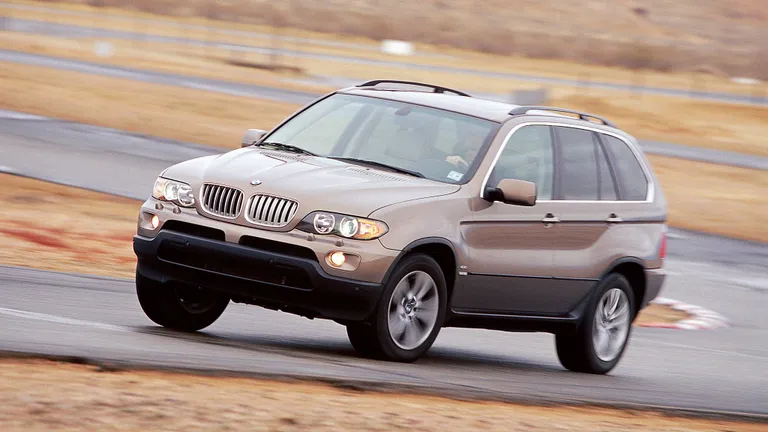
In the early 2000s, the automotive world met the idea of a Porsche SUV with profound skepticism. However, when the 955 chassis generation arrived with the 2004 porsche cayenne s awd, the engineering spoke for itself. This wasn't just a rebadged utility vehicle; it was a performance-first beast developed with the same rigor as the 911. Porsche engineers insisted on a liquid-cooled engine architecture that could withstand the heat of the Sahara and the high-speed stresses of the Nürburgring.
The "shock factor" that silenced critics wasn't the top speed, but the stopping power. In independent testing, the original Cayenne S recorded a 111-foot braking distance from 60 mph. To put that in perspective, that distance beat the 911 GT3 of the same era. This was made possible by a massive Brembo braking system that set a new standard for what a heavy-duty truck could do under pressure.
The mechanical heart of the early 955 was its Porsche Traction Management (PTM). Unlike the slip-and-grip systems found in many modern crossovers, the original utilized a mechanical center locking differential. This allowed the porsche cayenne s to tackle genuine off-road terrain without overheating a clutch pack, proving that luxury and ruggedness weren't mutually exclusive. By the end of its run, the first-generation Porsche Cayenne achieved a total production of 276,652 units, turning a gamble into the brand's primary success story.
Performance Engineering: PASM, Brembo, and the V8 Heart
The leap in porsche cayenne s hp over the last two decades is staggering. The original 4.5-liter v8 produced 340 horsepower, a respectable figure for a naturally aspirated unit in 2004. Fast forward to the 2026 model year, and the porsche cayenne s v8 has evolved into a twin-turbocharged 4.0-liter powerhouse generating 468 horsepower. While the raw power has climbed, the core philosophy of a high-output, reliable porsche cayenne s v8 remains the signature of the 'S' trim.
What truly separates the Cayenne from its peers is the damping sophistication. Using PASM active dampers, the car can transform its personality at the touch of a button. In its lowest air suspension ride height setting, the center of gravity drops, allowing the SUV to stay flat through corners that would make other SUVs feel like they are "walking on stilts."
Porsche developed these chassis systems with a heavy focus on the Sport Chrono package, which integrates the engine, transmission, and suspension into a cohesive performance unit. On the track, the Nürburgring development shows. The Cayenne S doesn't just survive corners; it hunts them.
Generation Comparison Table
| Feature | 2004 Cayenne S (955) | 2026 Cayenne S (9Y0.2) |
|---|---|---|
| Engine Architecture | 4.5L Naturally Aspirated V8 | 4.0L Twin-Turbo V8 |
| Horsepower | 340 hp | 468 hp |
| 0-60 MPH Sprint | 6.8 seconds | 4.4 seconds |
| Top Track Speed | 150 mph | 170 mph |
| Suspension | Steel Springs (Optional Air) | PASM Active Air Suspension |
Reality Check: Utility Meets the Track
One of the most impressive feats is the porsche cayenne s towing capacity. At 7,716 lbs, it rivals dedicated American work trucks, allowing you to tow your track car to the circuit and then swap your tow vehicle for a few laps. This dual-use capability is what makes it the ultimate performance utility vehicle.
However, speed remains the metric that most enthusiasts track. The evolution of the porsche cayenne s 0-60 has been relentless. While the original 955 S was no slouch, the 2006 Porsche Cayenne Turbo S bumped the bar to 514 horsepower, achieving a 5.0-second sprint. Today, the standard S model outperforms that vintage Turbo S, hitting 60 mph in just 4.4 seconds.
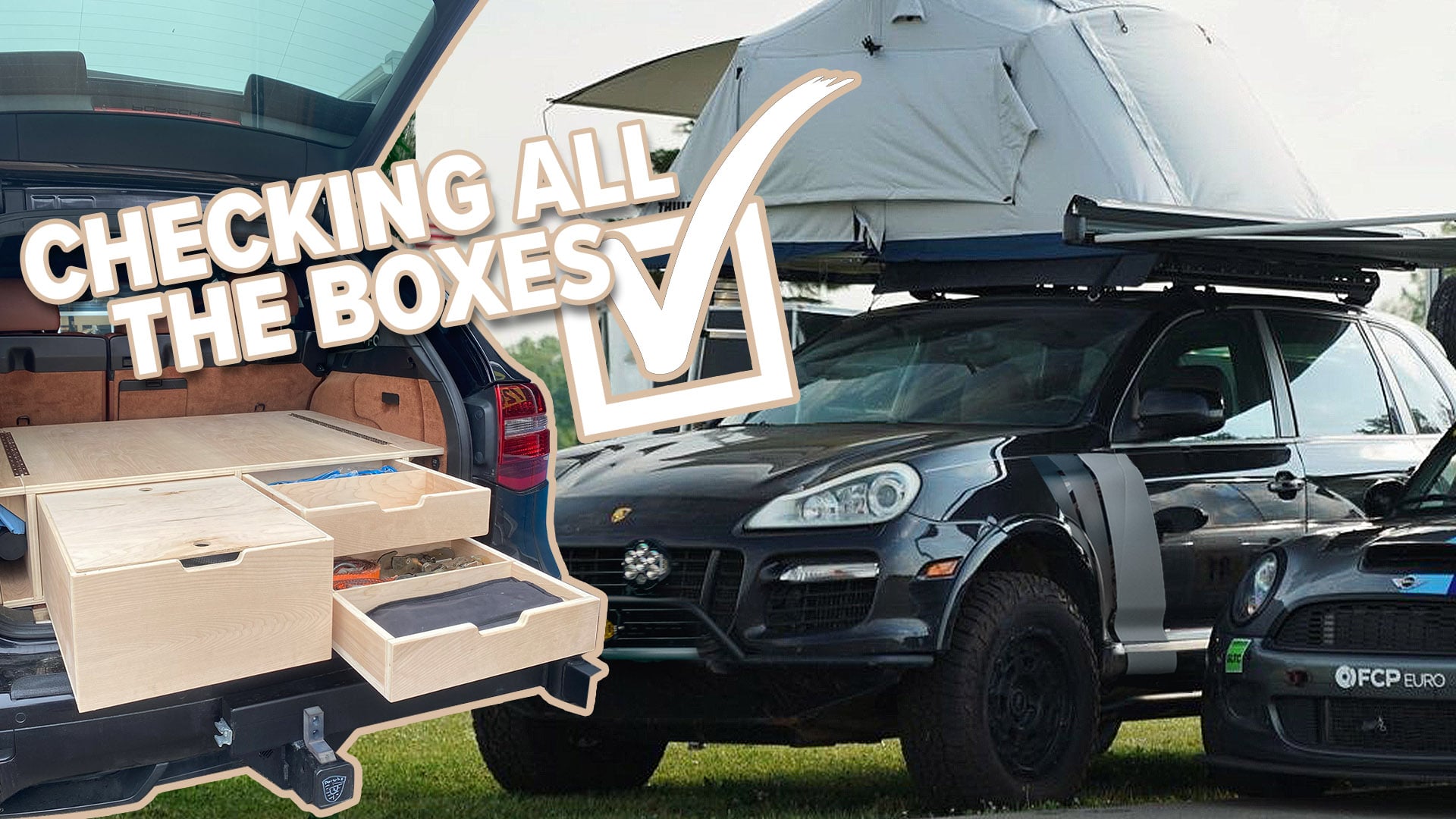
During the 2007/2008 fiscal year, Cayenne production reached more than 105,000 units annually, surpassing the sales of the 911 by nearly 50,000 units. This popularity confirms that drivers want a car that can do it all: haul groceries, tow a boat, and embarrass a sports car at a stoplight.
Ownership & Reliability: Buying the Original Today
If you are following an original porsche cayenne s buyer guide, you likely know that the 955 is currently a bargain on the used market. You can find entry-level examples for as low as $5,000, but "cheap to buy" does not mean "cheap to own." The porsche cayenne s reliability is generally high for the hard mechanical parts, but the 955 chassis generation has specific nuances that require attention.
The primary first gen porsche cayenne common issues revolve around the cooling system. The early cars used plastic cooling pipes buried in the V of the engine. Over time, heat cycles cause these to crack. Replacing them with updated aluminum units is a mandatory rite of passage for owners. Additionally, the air suspension ride height sensors and bags can develop leaks after 15 years of service.
The porsche cayenne s v8 maintenance cost can catch the unwary by surprise. Expect to pay more for tires, brakes, and oil changes than you would for a standard SUV. A Brembo braking system refresh alone can cost more than a budget sedan's entire engine rebuild. However, for those who value mechanical integrity and a true hydraulic steering feel, the investment is worth every penny.
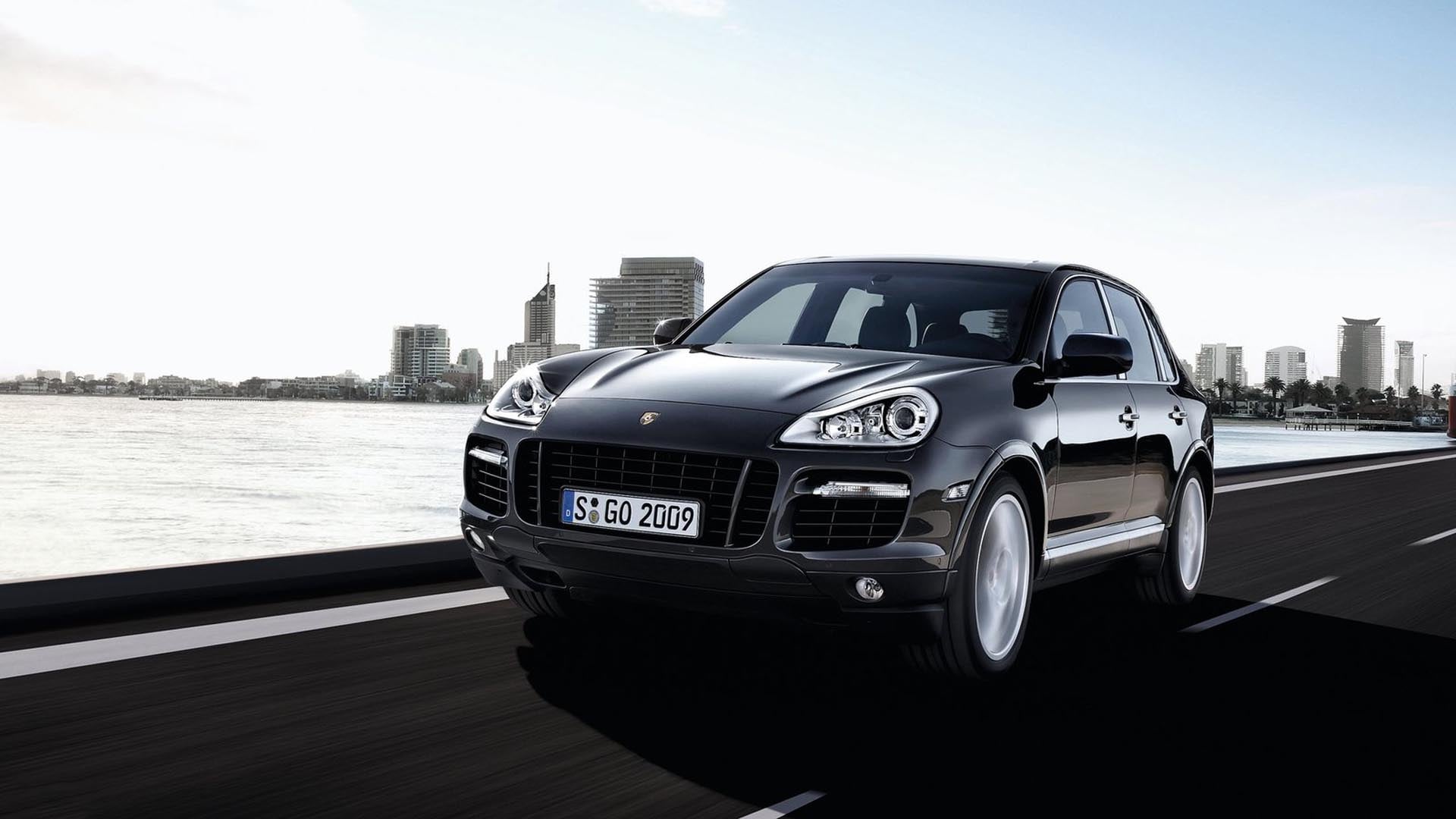
Spec Card: The 955 Generation (2002–2010)
- Status: The Analogue Classic
- Key Tech: Mechanical center locking diff, PTM AWD
- Reliability Focus: Cooling pipes, ignition coils, air bags
- Driving Feel: Heavy steering, high mechanical feedback, linear v8 power
Spec Card: The 2026 Generation (9Y0.2)
- Status: The Digital Powerhouse
- Key Tech: Twin-turbo v8, 48V active anti-roll bars, PASM
- Reliability Focus: Software integration, turbo heat management
- Driving Feel: Surgical precision, massive low-end torque, refined cabin
FAQ
Is the Porsche Cayenne S reliable?
In terms of core drivetrain durability, the Cayenne S is very robust, especially the v8 engine architecture. However, reliability depends heavily on generational maintenance. For the 955, you must address plastic cooling pipes and old air suspension. For modern models, reliability is excellent but requires strictly following the Porsche service schedule to avoid the high cost of complex electronics repairs.
What's the difference between Cayenne and Cayenne S?
The primary difference is the engine and performance output. While the standard Cayenne often uses a V6, the Cayenne S has traditionally been the entry point for the v8 experience. The S model also typically includes upgraded brakes, larger wheels, and more aggressive suspension tuning as standard equipment, bridge-gap between the base model and the Turbo.
Why are Porsche Cayenne so cheap to buy?
Depreciation on high-end luxury SUVs is steep because second and third owners often fear the maintenance costs. When a $90,000 vehicle hits the 15-year mark, a major service can easily cost 50% of the vehicle's market value. These low entry prices attract enthusiasts who are willing to do their own wrenching or have the budget for specialist service.
What Porsche Cayenne to stay away from?
Generally, early 955 models with poor service records should be avoided. Specifically, some early V6 models felt underpowered for the Cayenne's weight. Many experts also suggest staying away from the 2011-2012 early 958 models with transfer case issues unless they have already been replaced under warranty. Always look for a car with a documented Porsche service history.
How much does a Porsche Cayenne S cost?
A used first-generation 955 Cayenne S can be found between $5,000 and $12,000 depending on condition. A modern 2026 porsche cayenne s has a starting MSRP of approximately $101,000, which can quickly climb over $130,000 once you add performance options like the Sport Chrono package and ceramic brakes.