Quick Facts
- Successor Strategy: New E-segment model to replace Ghibli and Quattroporte models.
- Drivetrain: Twin-turbo 3.0L Nettuno V6 with performance AWD configurations.
- Ride Height: Aggressive crossover-like stance utilizing active suspension systems.
- Heritage: Production returning to the historic Modena facility.
- Naming: Rebranding focus on mechanical purity under the MCPura designation.
- Timeline: Strategic commitment to full brand electrification by 2030.
Maserati is breathing new life into the E-segment with a bold roadmap centered on crossover sedans. As the Ghibli and Quattroporte exit, a new breed of high ground clearance sport sedans is emerging, offering luxury crossover sedan performance without the bulk of a traditional SUV.
I. The Maserati Roadmap: Reimagining the Executive Saloon
The automotive landscape shifted significantly when production of Maserati's previous sedan models, the Ghibli and the internal combustion engine Quattroporte, officially concluded in late 2023. For enthusiasts, this felt like the end of an era. However, the Trident brand is not abandoning the four-door format; it is evolving it. The brand’s leadership, led by Santo Ficili, has confirmed a strategic pivot toward a sedan-SUV hybrid. This move aims to capture the executive saloon evolution where traditional shapes are no longer enough to satisfy global demand.
This roadmap is part of a broader commitment to innovation. Maserati’s strategic roadmap commits the brand to offering electric versions of its entire vehicle lineup by 2025 and becoming a fully electric brand by 2030. While the next-generation all-electric Quattroporte flagship sedan is scheduled for release in 2028, the immediate future focuses on how crossover sedans can bridge the gap between track-focused performance and all-weather versatility. When conducting a maserati ghibli and quattroporte successor model comparison, the change in architecture is striking—swapping a low-slung belly for a more commanded view of the road.
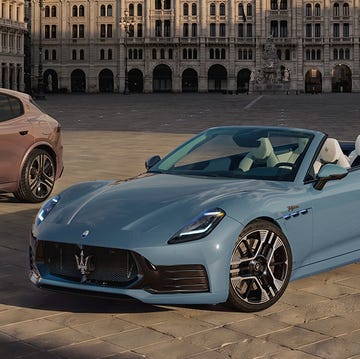
The automotive segment convergence occurring here suggests that the best crossover sedans aren't just taller cars; they are re-engineered machines built to handle the varied topography of modern life. This strategy ensures that E-segment luxury remains relevant in a market that has largely turned its back on the traditional three-box sedan.
II. Anatomy of Performance: High Ground Clearance Meets Sport DNA
From the driver’s seat, the most critical question is how this increased stature affects the way the car dances. Maserati is utilizing its crown jewel, the Maserati Nettuno V6, to ensure that the soul of the car remains intact. This 3.0L twin-turbocharged powerhouse provides the punch required to overcome the slightly higher center of gravity.
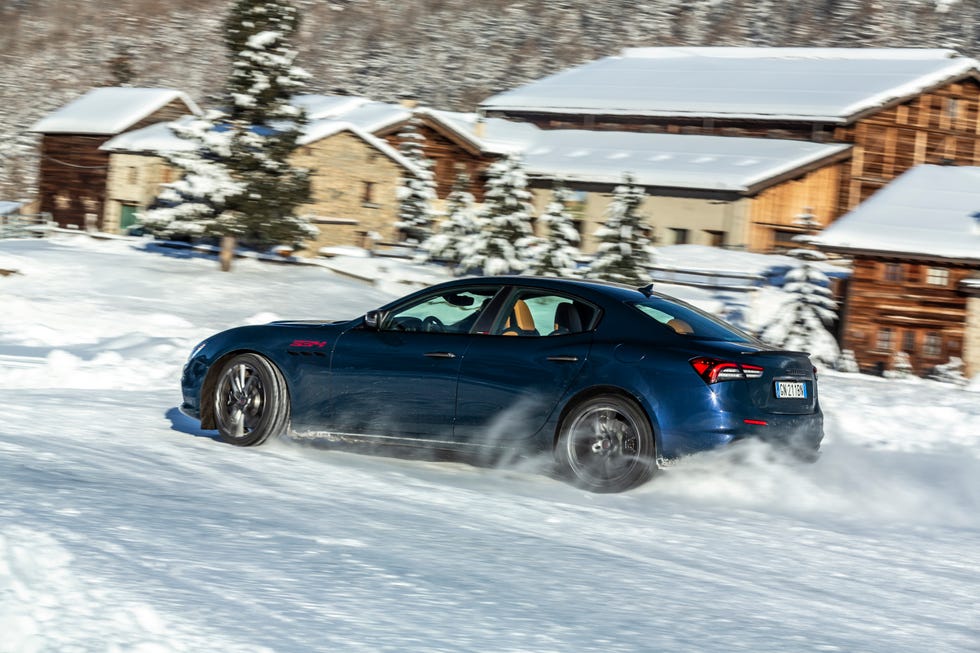
To maintain the handling characteristics of crossover sedans on winding roads, engineers have implemented advanced active suspension systems. These systems can drop the body for high-speed stability or raise it when encountering uneven terrain. This ride height adjustment is not just for show; it creates high ground clearance sport sedans that don't scrape their chin on every driveway.
Reality Check: Ground Clearance vs. Capability Many sedans with increased ground clearance for rough pavement often look the part but fail in execution. The key for Maserati will be the 'lowest-point' clearance. A true luxury crossover sedan performance machine needs more than just a lift kit; it requires protected underbodies and optimized approach angles to truly offer all-road capability.
By maintaining an aerodynamic silhouette, Maserati avoids the "brick in the wind" effect common in large SUVs. This allows the car to slice through the air with a precision that honors its Trident brand heritage while offering the benefits of luxury sedans with crossover ride height.
III. The 2026 Performance Landscape: ICE Purity vs. Electric Monsters
The market for high-performance four-doors is splitting in two. On one side, we have silent, 1,200 HP electric giants. On the other, we have the mechanical purity of internal combustion engines, exemplified by Maserati’s focus on atmospheric exhaust acoustics and tactile feedback. As we look at the best crossover sedans 2026 for performance driving, the contrast is stark.
| Feature | Maserati MCPura (Concept) | Lucid Air Sapphire | Mercedes-AMG S63 E |
|---|---|---|---|
| Powertrain | 3.0L Twin-Turbo V6 | Triple Motor EV | V8 Biturbo Hybrid |
| Ground Clearance | Hybrid Adjustable | Standard Sport | Standard Luxury |
| Dynamic Focus | All-Road Agility | Straight-Line Speed | Autobahn Stability |
| Exhaust Note | Resonant Nettuno Sound | Synthetic/Silent | Deep V8 Rumble |
The luxury sport sedans with high ground clearance and awd segment is becoming the last bastion for those who want a visceral connection to the machine. While the Lucid Air Sapphire is a masterclass in silent speed, the Maserati approach prioritizes the theater of Italian automotive engineering.
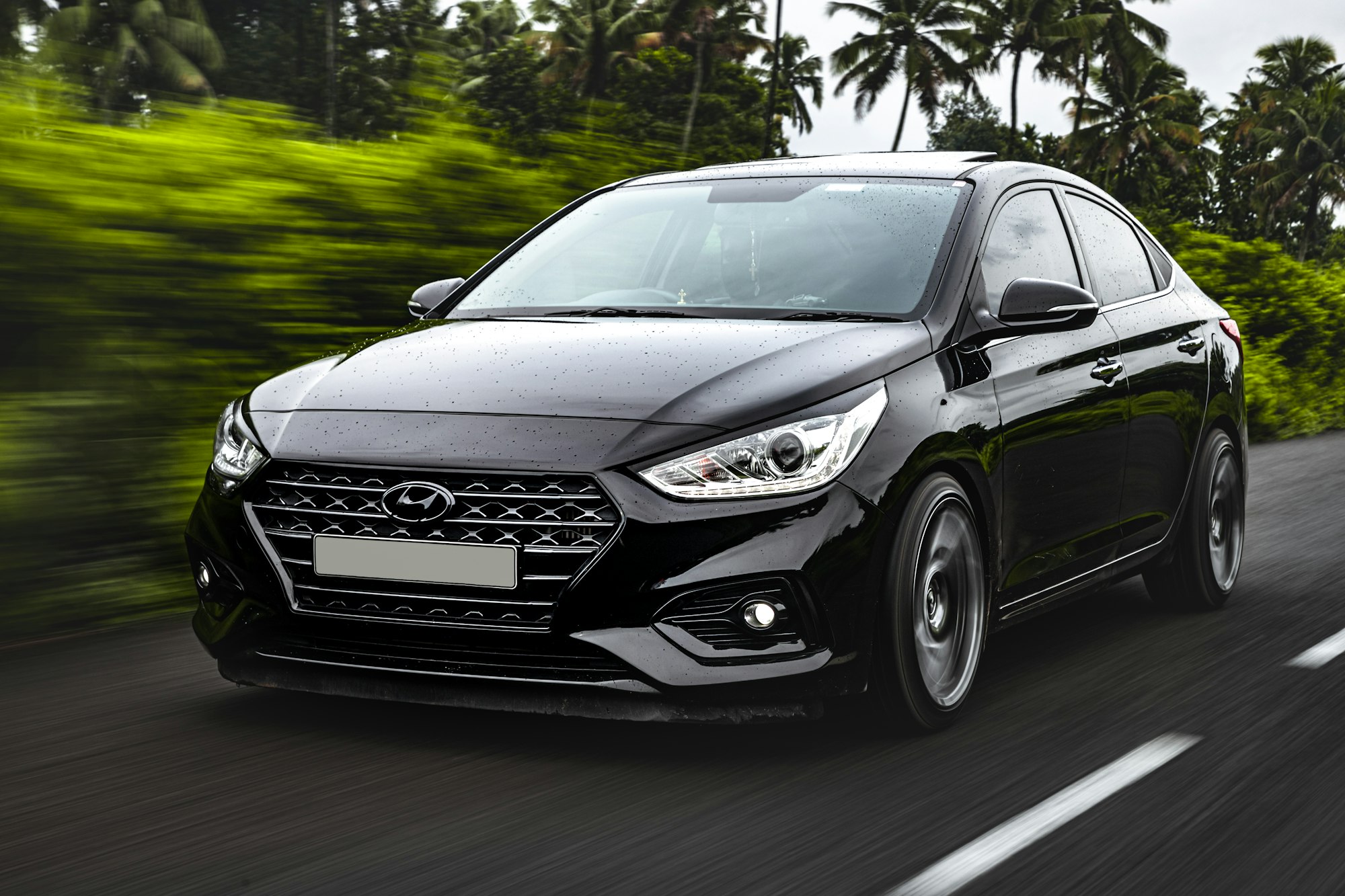
This landscape proves that there is still a massive appetite for luxury crossover sedan performance. The challenge for 2026 will be balancing the weight of active suspension systems against the desire for a light, flickable feel on mountain passes.
IV. Heritage and Ergonomics: The Return to Modena
Perhaps the most significant part of the new roadmap is the return of production to the historic Modena facility. This move is more than symbolic; it ensures that the next generation of crossover sedans is imbued with original craftsmanship. In an age of "touchscreen fatigue," Maserati is doubling down on luxury cabin ergonomics that favor the driver’s tactile experience.
Expect to see physical buttons for critical driving functions and an interface that doesn't require a degree in computer science to navigate during a spirited drive. The use of premium materials like Rosso Velluto paint and high-grade leathers elevates the cabin beyond the sterile tech-heavy interiors of many competitors.
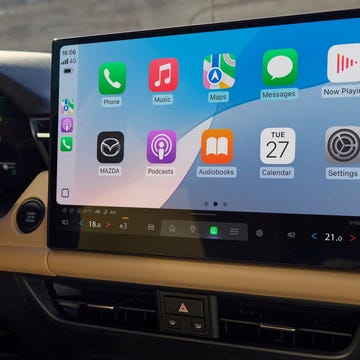
Functional luxury is the goal here. The interior design maximizes the extra vertical space provided by the crossover sedan form factor, offering better visibility and easier ingress/egress without compromising the cockpit-like feel that enthusiasts demand.
FAQ
What is a crossover sedan?
A crossover sedan is an emerging vehicle category that blends the sleek, aerodynamic silhouette of a traditional four-door car with the increased ground clearance and versatility typically found in SUVs. Unlike standard sedans, these vehicles feature active suspension systems that allow them to tackle rough pavement while maintaining the driving dynamics of a sport car.
What are the best crossover cars?
Currently, the market is seeing a rise in high-performance options that lean into this hybrid category. The top choices often include models like the Porsche Taycan Cross Turismo for electric enthusiasts and the upcoming Maserati E-segment models for those seeking traditional Italian performance. The best crossover cars generally prioritize a balance between luxury cabin ergonomics and all-road capability.
Which is better, a crossover or a sedan?
The choice depends entirely on your lifestyle and driving environment. A traditional sedan offers the lowest center of gravity and the best aerodynamic efficiency, making it ideal for track days and smooth highways. A crossover sedan, however, is better for drivers who face variable road surfaces, heavy rain, or potholes, providing extra clearance without the heavy footprint of an SUV.
What is the most reliable crossover car?
Reliability in this segment is often found in brands that have spent years perfecting all-wheel-drive systems and adaptive damping. While Italian brands like Maserati focus on emotive performance, Japanese and German luxury manufacturers are traditionally cited for high long-term reliability scores in the crossover segment.
What are the disadvantages of a crossover?
The primary disadvantages of a crossover compared to a standard car are the slightly higher center of gravity and increased weight, which can affect lateral grip during high-speed cornering. Additionally, they may be less fuel-efficient than their lower-slung counterparts due to increased wind resistance and more complex all-wheel-drive hardware.