Our Top Picks
The 1992 Mazda 929 is a rear-wheel-drive executive sedan powered by a 3.0-liter DOHC 24-valve V6 engine producing 195 hp, originally priced as a more characterful alternative to the Lexus LS400. It excels as a boutique cruiser for those who prioritize artistic bio-design styling and tactile driving feedback over the clinical, isolated perfection offered by its period rivals.
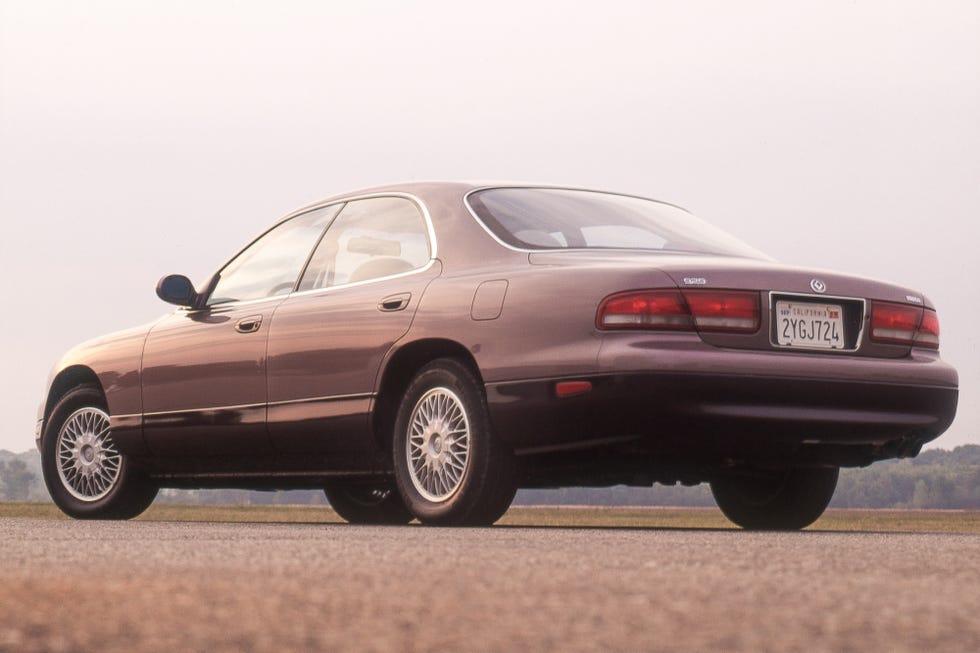
The 1992 mazda 929 stands as a pinnacle of the bubble economy era, representing a time when Japanese manufacturers were emboldened to challenge European luxury standards with rear-wheel-drive platforms and cutting-edge technology. Featuring the smooth JE-ZE V6 engine and a sophisticated multi-link suspension, it provides a balanced, enthusiast-oriented driving experience that differentiates it from the front-wheel-drive competition of the early nineties.
Engineering the Bubble Economy Icon: Engine and Chassis
When you slide behind the wheel of a 1992 mazda 929, the first thing you notice isn't the wood trim or the leather—it’s the mechanical sincerity. This car was born during the peak of the Japanese bubble economy era, a period when engineering budgets seemed bottomless. Mazda didn't just want to build a bigger version of the 626; they wanted a flagship that could dance.
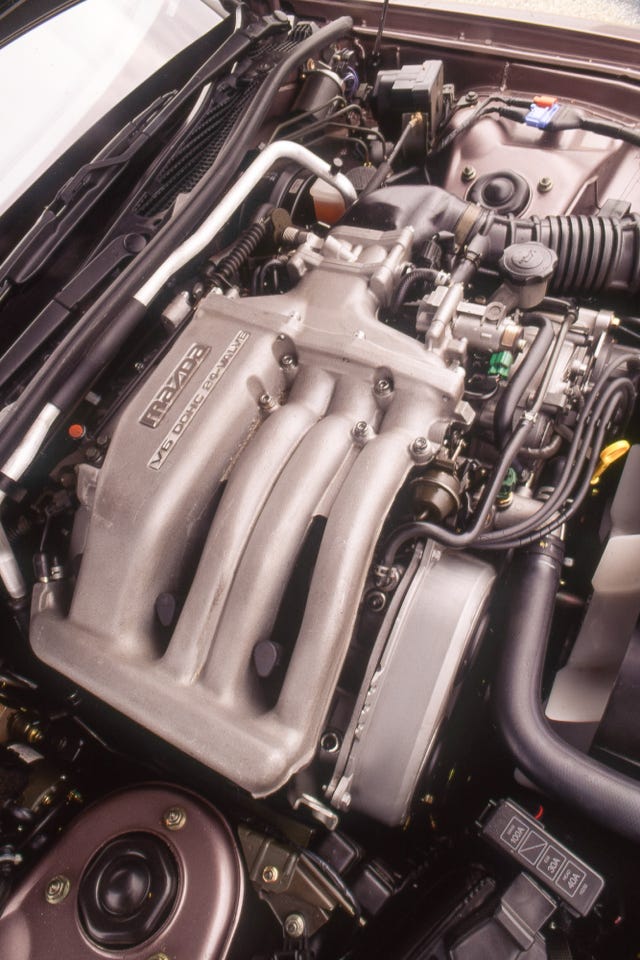
At the heart of this machine is the JE-ZE V6 engine. This 3.0-liter unit features a 24-valve DOHC configuration, delivering 195 horsepower and 200 lb-ft of torque. While modern numbers might dwarf these stats, in 1992, this was serious executive muscle. The power delivery is linear and creamy, characteristic of a high-quality DOHC 24-valve powerplant, propelling the sedan from 0 to 60 mph in approximately 8.5 seconds.
The real magic, however, lies in the H-platform. Unlike many competitors who opted for cost-effective front-wheel drive, Mazda stuck to its guns with a rear-wheel-drive layout. The car utilizes a sophisticated multi-link suspension at all four corners, a setup that emphasizes mid-corner stability and a communicative steering feel. The build quality, a hallmark of Hiroshima manufacturing, is evident in the way the doors shut with a dampened "thump" rather than a hollow "tint."
| 1992 mazda 929 specs | Detail |
|---|---|
| Engine Type | 3.0L DOHC 24-Valve V6 (JE-ZE) |
| Horsepower | 195 hp @ 5,500 rpm |
| Torque | 200 lb-ft @ 3,500 rpm |
| Drive Type | Rear-Wheel Drive |
| Transmission | 4-Speed Automatic |
| Suspension | Multi-link (Front & Rear) |
| 0-60 MPH | 8.5 Seconds |
| Curb Weight | Approx. 3,600 lbs |
The driving dynamics are further enhanced by a cruise control system that utilized fuzzy logic. By analyzing engine load and road incline data, the system could adjust automatic transmission shift points to prevent hunting between gears—a level of refinement that felt like science fiction at the time.
Style vs. Function: The Kansei Engineering Interior
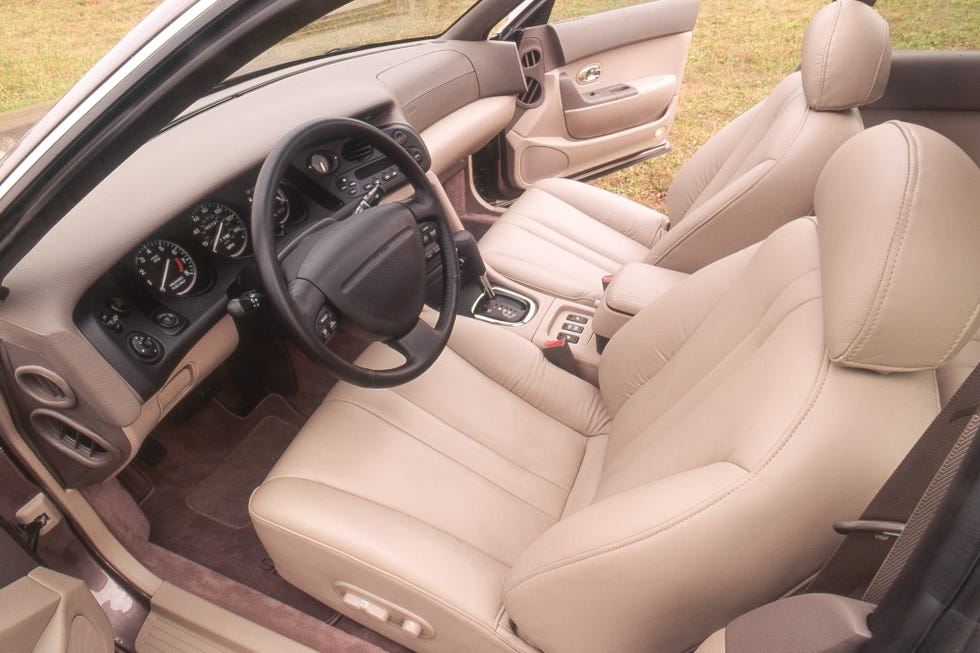
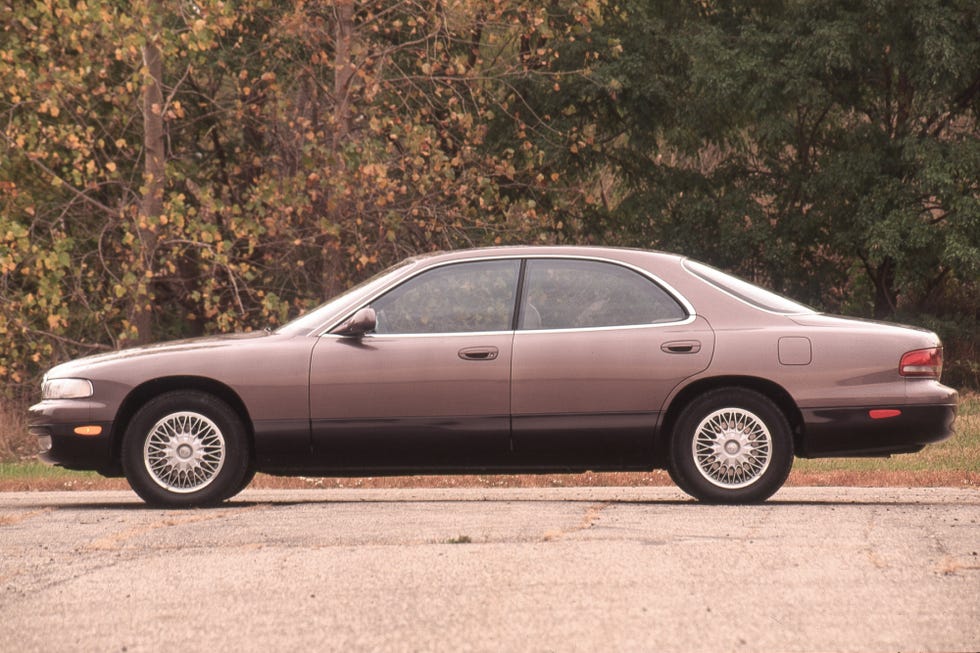
Mazda’s design philosophy for the 1992 mazda 929 was governed by Kansei engineering—a method of translating human sensory feelings into physical design elements. You can feel it in the texture of the switchgear and the way the seats hold you without pinching. The exterior, known for its Bio-design styling, opted for smooth, fluid lines that made the contemporary BMW 5-series look boxy and old-fashioned.
One of the most striking visual elements is the use of frameless door windows. When you open the door, the glass stands alone, creating a sleek, pillarless effect that was usually reserved for high-end coupes. Inside, the dashboard wraps around the driver in a continuous arc, emphasizing the organic curves of the nineties.
However, the pursuit of style led to some legendary ergonomic quirks. The interior designers were so committed to the fluid lines of the dashboard that they famously omitted a traditional glovebox. Instead, storage was tucked into a small bin in the center console. Furthermore, the non-adjustable steering column means that taller drivers might find their knees uncomfortably close to the rim, despite the car's executive dimensions.
Interior Pros and Cons
- Pro: Luxurious leather and soft-touch materials that rival European benchmarks.
- Pro: Frameless door windows provide a distinct, airy aesthetic.
- Pro: Remarkable sound insulation, keeping the cabin quiet even at highway speeds.
- Con: The lack of a glovebox severely limits interior storage.
- Con: A tiny 12-cubic-foot trunk that struggles with large luggage.
- Con: A highly sensitive, almost hair-trigger throttle that requires a delicate foot in stop-and-go traffic.
Innovation Spotlight: The Solar Ventilation System
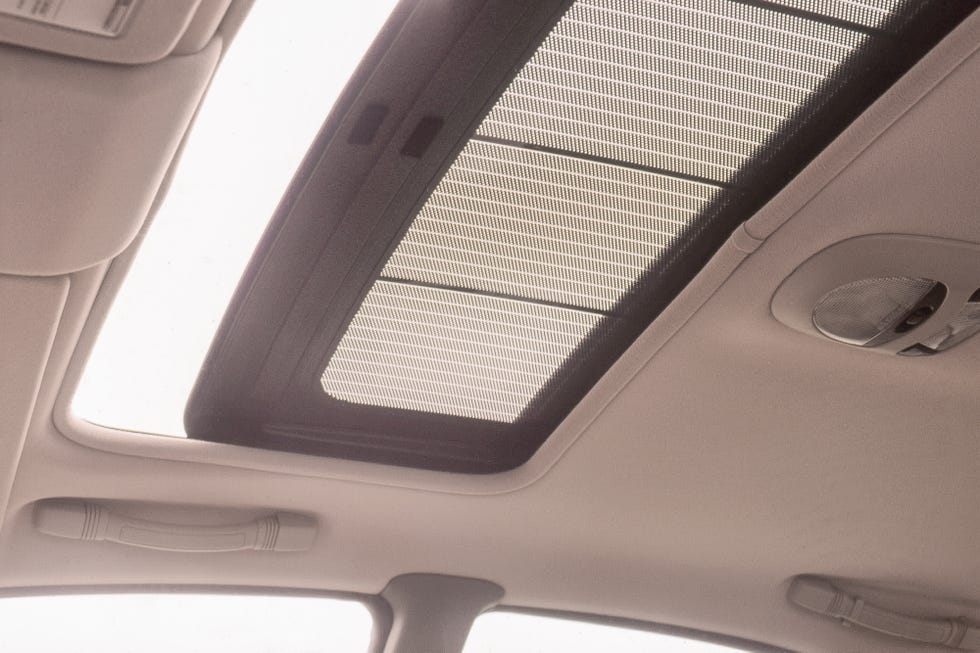
In an era before smartphone-controlled climate settings, Mazda introduced a world-first to keep passengers comfortable: the solar ventilation system. This wasn't a gimmick; it was a genuine solution to the sweltering heat of summer parking lots.
Integrated into the glass sunroof were photovoltaic cells integrated into the glass sunroof. While the car was parked in the sun, these cells generated enough electricity to power small cooling fans in the ventilation system. These fans would draw fresh air into the cabin and exhaust hot air, significantly lowering the interior temperature. When you returned to your 1992 mazda 929 on a 90-degree day, you weren't met with the usual blast of furnace-like air. It was a tech-forward move that solidified the car's status as a premium Japanese luxury sedan.
Mazda 929 vs. Lexus LS400: The Boutique Alternative
When analyzing the prestige landscape of the early nineties, the mazda 929 vs lexus ls400 debate is one of character versus clinical precision. The Lexus was the heavy hitter, designed to out-quiet and out-smooth the Mercedes S-Class. It was, and is, a masterpiece of isolation. However, the mazda 929 took a different path.
While the LS400 was a V8-powered fortress, the 929 felt lighter on its feet. Its rear-wheel-drive architecture was tuned for a bit more feedback. You felt the road through the steering wheel; you heard a faint, pleasant snarl from the JE-ZE V6 engine when you pushed it. The mazda 929 price at the time also made it a more accessible entry into the executive class, offering a sophisticated multi-link suspension at a point where the Acura Legend was still relying on a front-wheel-drive layout.
The Legend offered a sporty alternative, but it lacked the classic RWD proportions that enthusiasts craved. The 929 occupied the middle ground—more artistic and expressive than the Acura, more engaging and less sterile than the Lexus. It was the boutique choice for the driver who valued uniqueness and the tactile joy of Kansei engineering over the ubiquity of the LS badge.
The Ownership Reality: Reliability and Buying Guide
If you are looking for a mazda 929 for sale today, you are hunting for a rare beast. While not as common as a Camry or an Accord, owning a vintage mazda 929 is a rewarding experience for those who appreciate Japanese engineering. Overall, the car carries a high reputation among long-term owners, often receiving 4.7-star ratings for build quality and long-term durability.
However, a prospective mazda 929 buyers guide must highlight specific areas of concern. When evaluating mazda 929 reliability and common problems, the complexity of the early 90s electronics is the primary hurdle. The solar roof, while innovative, can suffer from aging cells or failed fan motors. The frameless windows require healthy seals to prevent wind noise, and the JE-ZE V6 engine needs regular timing belt changes to stay healthy.
Fuel economy is another consideration; expect a combined average of about 19 mpg, which was standard for the era but thirsty by modern metrics. If you are searching for the best version of this car, many enthusiasts point toward the 1995 model year, which represented the final evolution and the most refined version of the platform before it was discontinued in the North American market.
Finding a well-preserved example requires patience. Because they were often used as daily executive commuters, many have high mileage. Look for cars with documented service histories particularly focusing on the four-speed automatic transmission's health. When you find a clean one, you aren't just buying a car; you're buying a piece of Hiroshima manufacturing history that still manages to feel special three decades later.
FAQ
Is the Mazda 929 hard to find?
Yes, the 929 is becoming increasingly rare on the used market. Because it was a boutique choice compared to the high-volume Lexus LS400 or Acura Legend, fewer units were sold. Most survivors are now in the hands of enthusiasts or have succumbed to high mileage, making a clean, low-mileage example a significant find for collectors.
Is the Mazda 929 a good car?
The 929 is an excellent car for those who value unique design and balanced driving dynamics. It offers a higher level of driver engagement than many of its period rivals thanks to its RWD layout and multi-link suspension. While it has some ergonomic quirks like a small trunk and no glovebox, its build quality and smooth V6 performance make it a highly respected vintage cruiser.
When was the Mazda 929 discontinued?
In the North American market, the Mazda 929 was discontinued after the 1995 model year. It was effectively replaced by the Millenia, which featured front-wheel drive and the innovative Miller Cycle engine. Internationally, the nameplate lived on as the Mazda Sentia in Japan for a few more years, but the 1992-1995 generation remains the most iconic iteration of the badge.
Is Mazda as reliable as Toyota?
Historically, both brands have excellent reputations for reliability, though they approach it differently. Toyota often prioritizes simplicity and over-engineering for longevity, whereas Mazda frequently incorporates more innovative and complex mechanical solutions. In the context of the 1990s, a well-maintained Mazda 929 can be every bit as reliable as a Toyota of the same era, provided the more complex suspension and electronic systems are properly cared for.