Formula 1 is currently standing on the precipice of a new era, one that feels less like a traditional regulation tweak and more like hitting a massive reset button on the sport's technical DNA. As the paddock packed up after the initial shakedown at the Circuit de Barcelona-Catalunya, the collective realization was clear: the 2026 cars are not just different; they represent a fundamental shift in how a Grand Prix weekend will be contested.
Quick Facts: The 2026 Transformation
- Power Split: A perfect 50/50 balance between internal combustion (ICE) and electric energy.
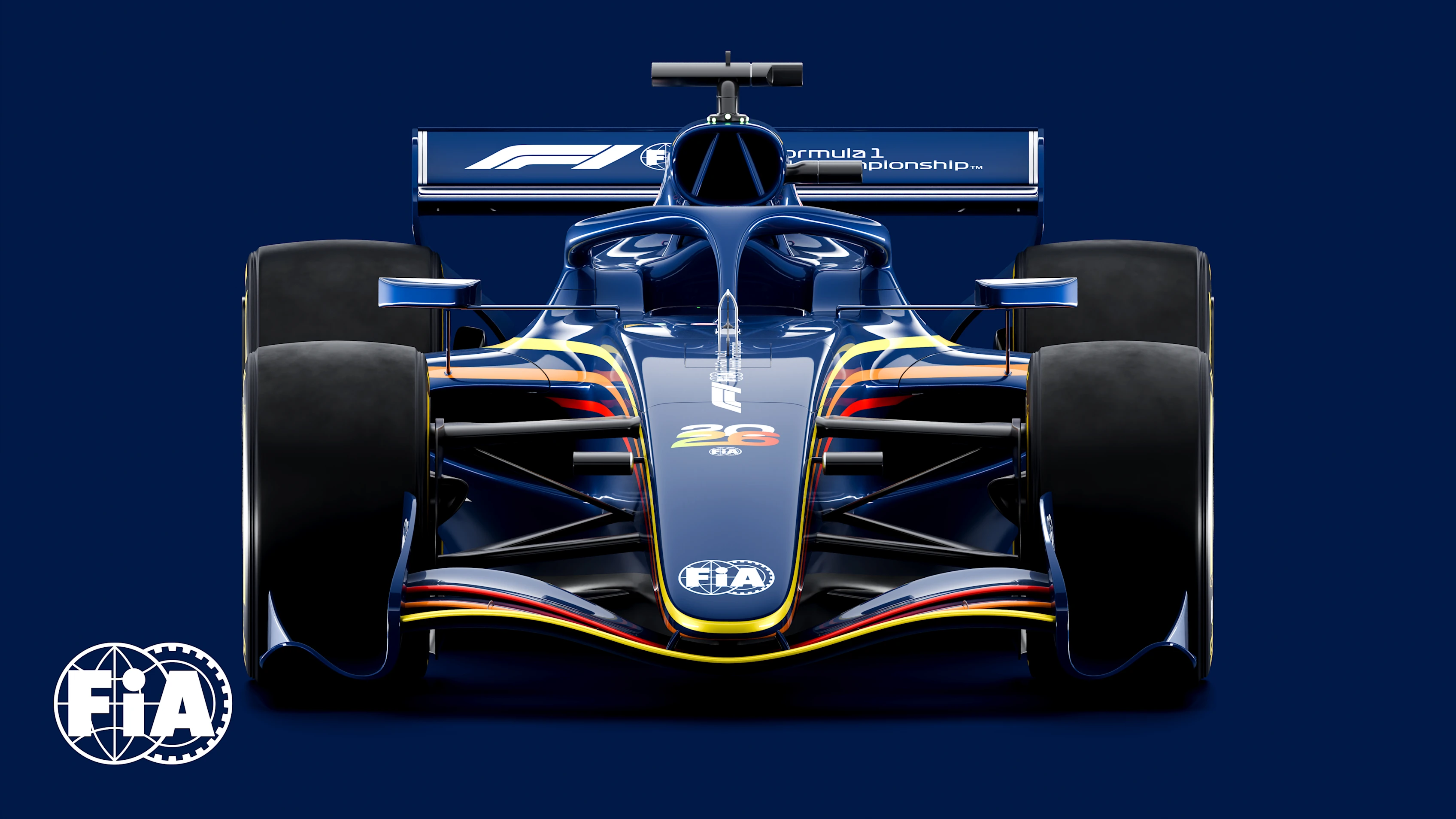
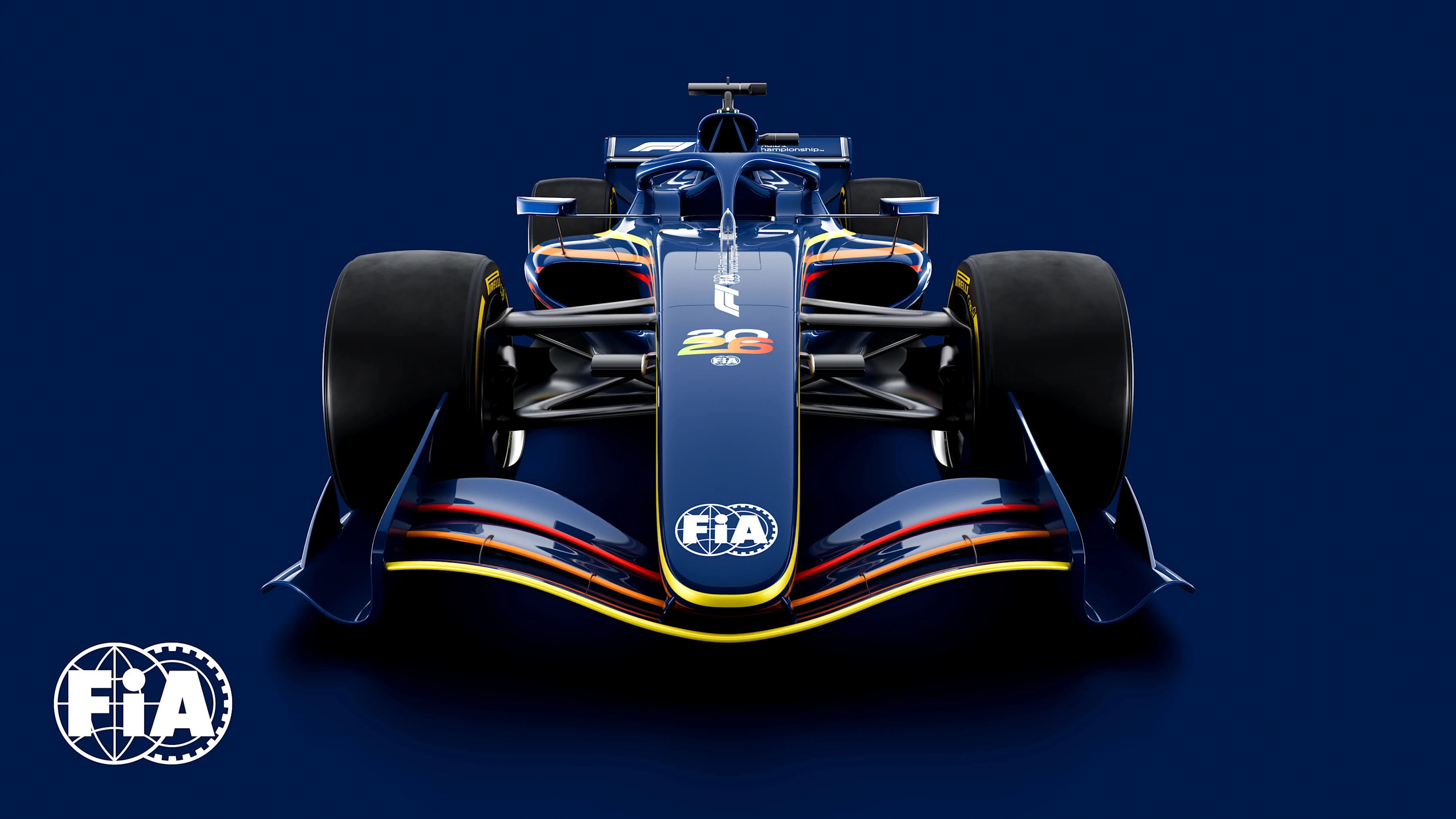
- The "Nimble Car" Concept: Wheelbase reduced from 3600mm to 3400mm; width narrowed from 2000mm to 1900mm.
- Weight Loss: A targeted 30kg reduction compared to the 2025 generation.
- Active Aerodynamics: Moveable front and rear wings featuring "X-mode" (low drag) and "Z-mode" (high downforce).
- Electric Surge: MGU-K output jumps from 120kW to 350kW—a nearly 300% increase.
- Sustainability: 100% sustainable "drop-in" fuels to be used across the entire grid.
The 2026 Reset: Why F1 is Rewriting the Rulebook
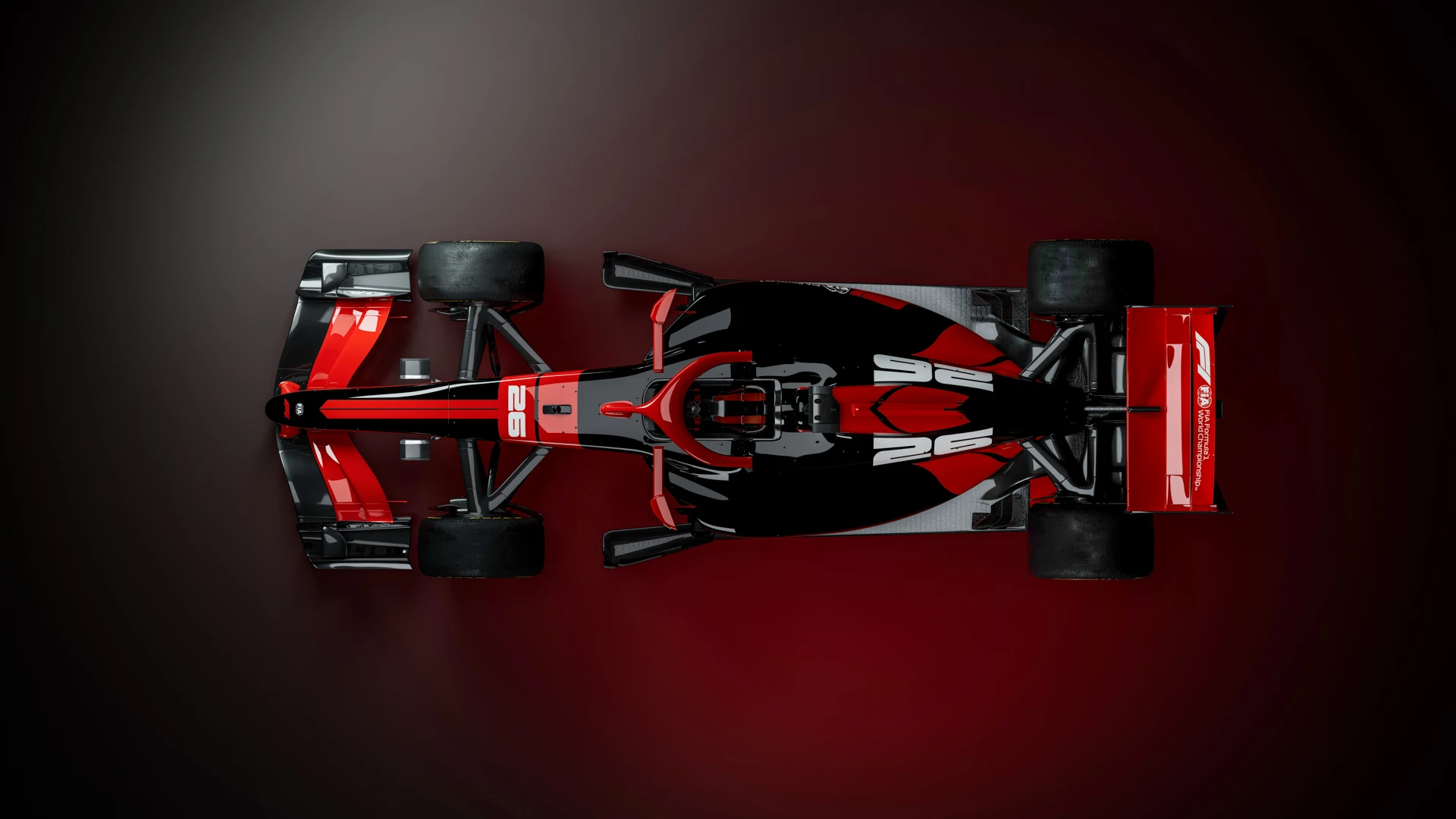
The 2026 regulations represent a rare "double-header" in rule changes. Historically, Formula 1 separates chassis overhauls from engine changes to manage costs and complexity. However, to meet ambitious Net Zero Carbon targets while improving the wheel-to-wheel spectacle, the FIA and FOM have opted for a simultaneous revolution. The overarching goal is the "Nimble Car"—a chassis that is lighter, smaller, and more agile, powered by a power unit that relies far more heavily on reclaimed electrical energy.
The 2026 F1 regulations introduce a 50/50 power split between internal combustion and electric energy, active aerodynamics with movable wings, a 30kg weight reduction, and more compact car dimensions (3400mm wheelbase). This isn't just about aesthetics; it’s about fixing the "dirty air" problem that ground-effect cars haven't entirely solved and making the cars feel more like the "darty," responsive machines of the early 2000s.
Powering the Future: The 1,000HP Hybrid Revolution
The heart of the 2026 car is the revised Power Unit (PU). While the 1.6-liter V6 turbocharged architecture remains, the way it generates power is being radically rebalanced. We are moving away from the Internal Combustion Engine (ICE) dominance toward a massive reliance on the Energy Recovery System (ERS).
The most significant change is the removal of the MGU-H (Motor Generator Unit - Heat). While technically brilliant, the MGU-H was notoriously expensive and complex, acting as a barrier to entry for new manufacturers. By removing it, F1 has successfully courted giants like Audi and Ford. To compensate for the lost energy, the MGU-K (Motor Generator Unit - Kinetic) has undergone a massive overhaul. Its output increases by nearly 300%, jumping from the current 120kW to a staggering 350kW.
Technical Definition: The 50/50 Split In the 2026 era, the ICE output will drop from approximately 550-560kW to 400kW, while the battery-powered electrical component will surge to 350kW. Drivers will have to be far more surgical about when they deploy this energy, as "derating" (running out of battery on a long straight) will be a very real threat.
Fuel also plays a pivotal role. For the first time, F1 will run on 100% sustainable fuels. These are "drop-in" fuels, meaning they can be used in standard internal combustion engines with minimal modifications, providing a vital real-world laboratory for the global automotive industry.
2025 vs. 2026: Technical Specification Comparison
| Feature | 2025 Regulation (Current) | 2026 Regulation (New) |
|---|---|---|
| Wheelbase | 3600mm (Maximum) | 3400mm (Maximum) |
| Width | 2000mm | 1900mm |
| Weight | 798kg | 768kg (Targeted) |
| MGU-K Output | 120kW | 350kW |
| MGU-H | Included | Removed |
| Aero Concept | Ground Effect (Static) | Active Aerodynamics (Movable) |
| Fuel | 10% E10 Ethanol | 100% Sustainable |
Active Aerodynamics: Goodbye DRS, Hello 'X' and 'Z' Modes
Perhaps the most controversial and exciting change is the introduction of active aerodynamics. For years, the Drag Reduction System (DRS) was a polarizing "band-aid" for overtaking. In 2026, the concept expands to the entire aero map of the car. Active aerodynamics in 2026 replaces the traditional DRS with movable front and rear wings that toggle between two distinct configurations.
The "Z-mode" is the high-downforce setting used for cornering, where the wing elements are angled to maximize grip. Once the car hits a straight, it shifts to "X-mode"—a low-drag configuration where the wing elements flatten out, much like a Venetian blind, to maximize top speed.
This shift is a necessity born from the new power units. Because the cars will rely so heavily on battery power, they need to be significantly more efficient on the straights to avoid "clipping" or running out of energy before the braking zone. The 2026 aerodynamic concept targets a 40% reduction in drag and an approximate 15-30% reduction in overall downforce compared to the current ground-effect era. The front wing is also narrowing, and the massive 18-inch Pirelli tires are being slightly downsized in width to reduce the frontal area.
Barcelona Shakedown: Who Hit the Ground Running?
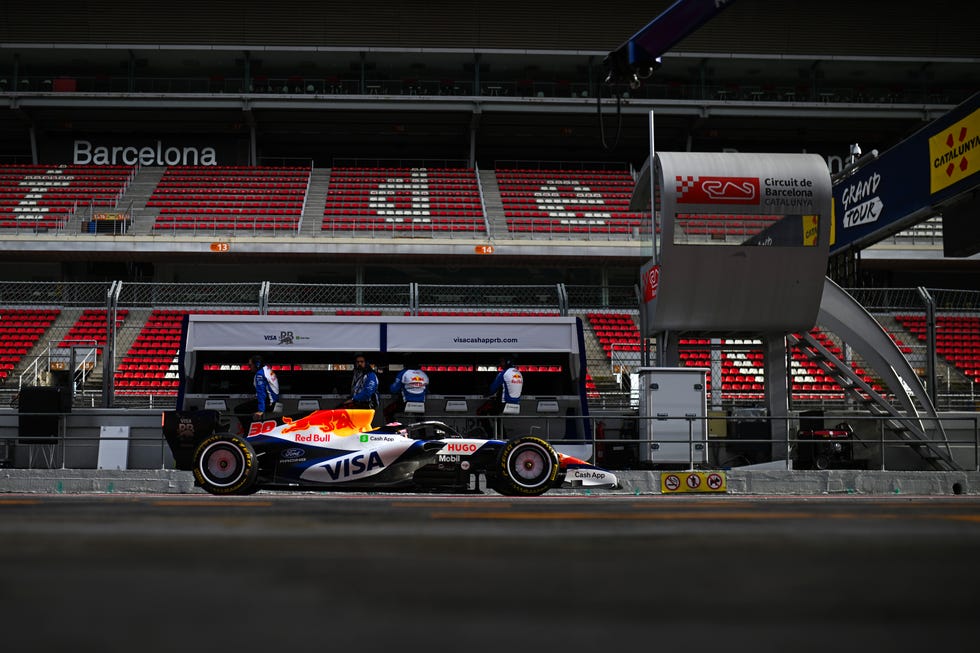
The recent Barcelona shakedown offered the first glimpse of these rules in the wild. While "testing" at this stage is more about system checks than ultimate lap times, the hierarchy is already beginning to whisper. During the Barcelona shakedown, Mercedes emerged as a reliability favorite, while Ferrari and McLaren showed competitive pace; new entrants Audi and Cadillac focused on initial data gathering and streamlining operations.
Team-by-Team Breakdown
- Mercedes (The W17): The Brackley squad arrived with a car that looked remarkably refined. The W17 clocked the highest lap count of the week, acting as the "Gold Standard" for early reliability. Toto Wolff’s team seems to have mastered the integration of the complex cooling requirements for the new 350kW MGU-K.
- Ferrari (The SF-26): Lewis Hamilton’s debut in Ferrari red was the headline of the week. He set a blistering 1:16.3 on the C3 compound, showing that the Scuderia has focused heavily on slow-speed mechanical grip. Charles Leclerc echoed this, looking particularly dominant through the Turn 12 apex.
- Red Bull-Ford (The RB22): It wasn't smooth sailing for the champions. A heavy crash by academy driver Isack Hadjar in the morning session led to a frantic scramble for spare parts. The new Ford-partnered power unit sounded "aggressive" but suffered from several software-related shutdowns.
- The Newcomers (Audi & Cadillac): Audi’s R26 focused almost exclusively on aero-mapping, running with massive pitot tube arrays for most of the week. Cadillac, with Sergio Perez and Valtteri Bottas at the wheel, focused on operational streamlining, working through "niggles" in their energy recovery software.
Driver Perspective: Taming the 2026 Beasts
Driving the 2026 cars requires a complete mental recalibration. The reduction in downforce means the cars are more "skittish" in high-speed sections. Analyzing Turn 12 at Barcelona, a classic test of lateral load, we saw two distinct schools of thought. While George Russell and Oscar Piastri utilized a "short corner" approach—straightening the exit as quickly as possible to deploy the electric boost—Charles Leclerc utilized an early turn-in line. This wider arc protects the left-front tire better, which is crucial given the new 18-inch tire compounds are more prone to thermal degradation under the heavy torque of the new MGU-K.
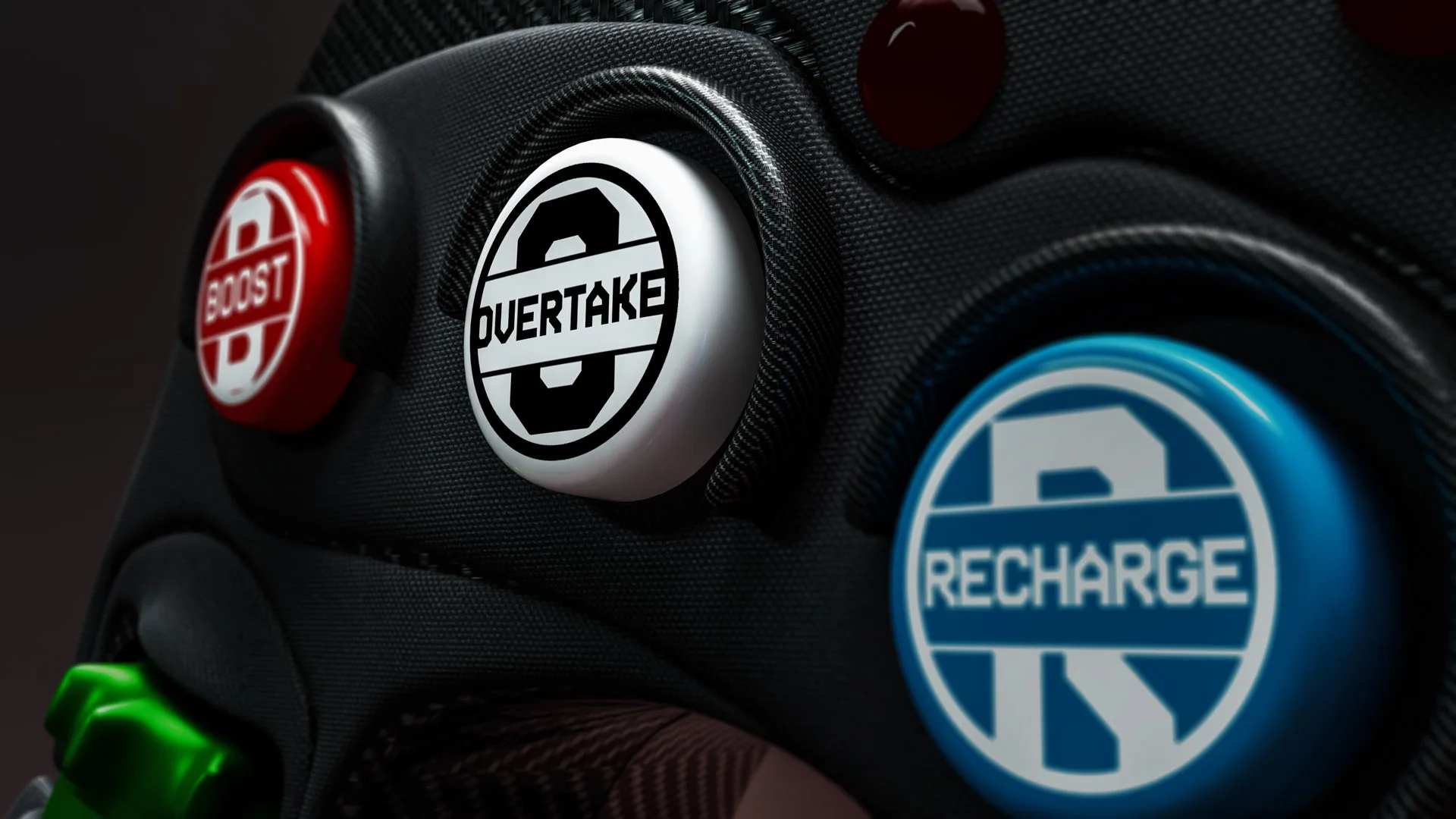
Furthermore, the "Manual Override Mode" is the new tactical weapon. Replacing the automated DRS, this gives the following driver an extra burst of energy (effectively an ERS boost) once they are within a certain distance of the car ahead. It’s a "push-to-pass" system that puts the strategy directly into the drivers' hands.
Safety hasn't been forgotten in the pursuit of speed. The 2026 cars feature a new 20g roll hoop test and a two-stage impact structure. This design includes a "sacrificial" first stage that shears off during initial contact, followed by a secondary structure to protect the driver during a second impact—a direct response to multi-car accidents seen in recent years.
Conclusion: A New Hierarchy Beckons
The Barcelona shakedown proved that while the 2026 rules are daunting, the teams are already finding innovative ways to reclaim lost performance. The cars look sharper, sound more electrified, and demand more from the athletes behind the wheel. As we head toward the official pre-season tests, the question isn't just who has the fastest car, but who has the smartest energy management strategy. The 2026 season is shaping up to be a tactical chess match played at 200mph.
FAQ
Q: Will the 2026 cars be slower than the current generation? A: Initially, yes. With a 15-30% reduction in downforce and a 40% reduction in drag, the cars will likely be slower through high-speed corners. However, the increased electrical deployment will make them incredibly fast in acceleration, and F1 engineers are notorious for finding lost lap time quickly.
Q: Does 'Active Aero' mean drivers will have to manually move the wings? A: The system is designed to be semi-automated, switching between X-mode and Z-mode based on track position and throttle input. However, drivers will have some level of manual control over the "Override Mode" to assist with overtaking.
Q: Why was the MGU-H removed? A: The MGU-H was extremely expensive to develop and had little relevance to road car technology. Its removal was a strategic move to attract new engine manufacturers like Audi and Ford by simplifying the power unit and reducing development costs.