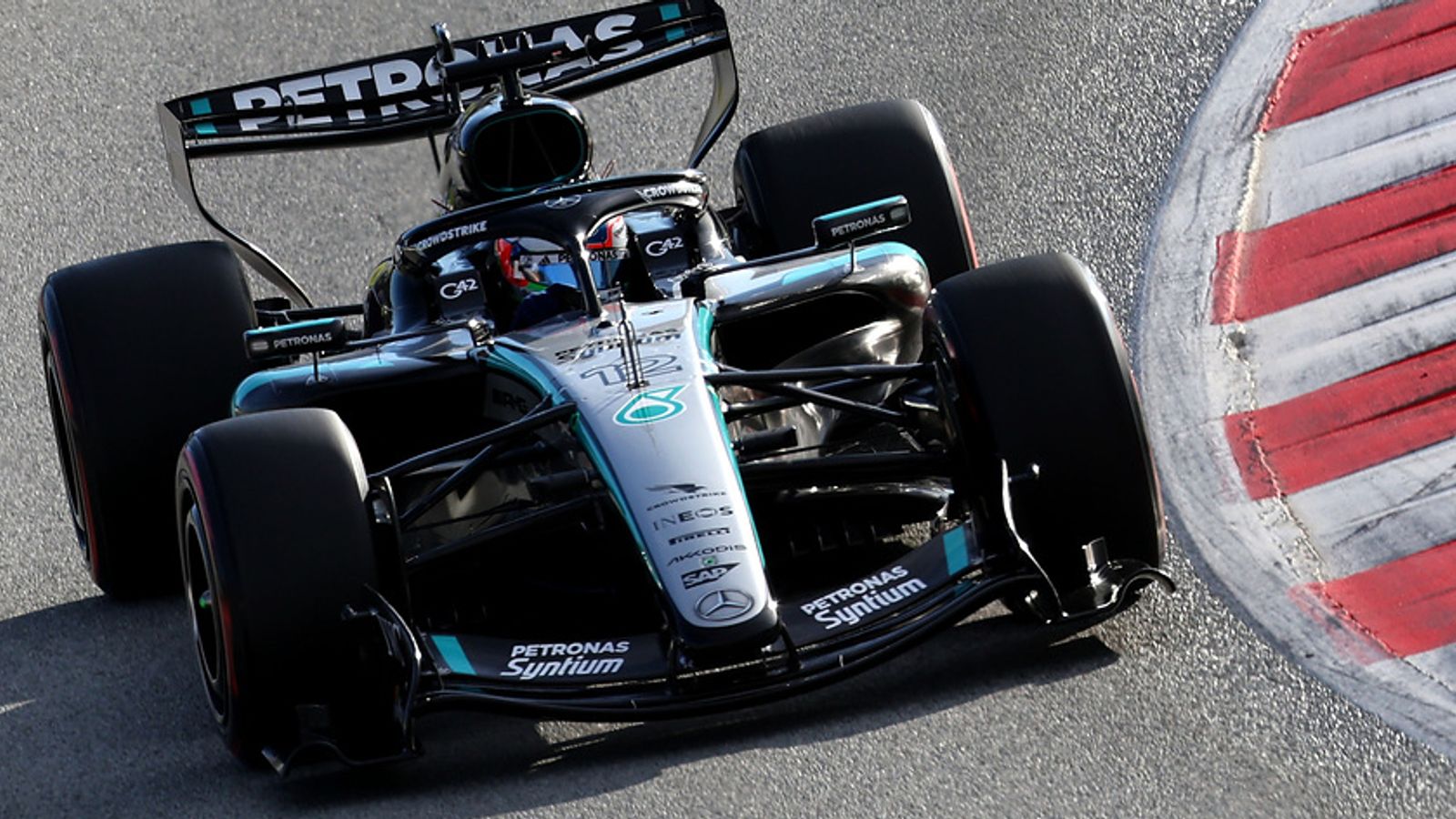
The paddock at Barcelona was buzzing with a peculiar tension as the first pre-season shakedown of the new era commenced. While the silver-and-black Mercedes racked up a staggering 502 laps, the British Racing Green AMR26 remained largely confined to its garage, completing a mere 65. To any casual observer, it looked like a catastrophe. To the rivals watching the timing screens and the pitlane telemetry, however, it looked like a threat.
This is the "Paradox of Delay" that currently defines Aston Martin’s 2026 campaign. On paper, the team is fighting a significant 100-plus day deficit in wind tunnel time. While competitors began aerodynamic testing on the January 2, 2025, start date sanctioned by the FIA, the AMR26 didn't see a fan blade until mid-April. But this wasn't a failure of logistics; it was a calculated gamble by the most successful designer in Formula 1 history: Adrian Newey.
The Paradox of the Late Arrival
The question on every pundit’s lips is simple: Why did the Aston Martin AMR26 start wind tunnel testing late? The delay was a direct consequence of Newey’s arrival schedule and his immediate intervention. Newey’s "gardening leave" from Red Bull Racing didn't officially end until March 1st, 2025. Upon stepping into the state-of-the-art Silverstone campus, Newey didn't just review the existing blueprints—he tore them up.
His assessment was that the initial 2026 concept, developed by the team before his arrival, was too conservative. He opted to sacrifice nearly four months of development time to pivot the car toward a more radical aerodynamic philosophy. In a sport where performance is measured in milliseconds, giving up a 100-day head start seems like madness, yet in the world of Adrian Newey, it is often the precursor to a masterpiece.

The Newey Effect: More Than Just a Designer
At Red Bull, Newey was the Chief Technical Officer—a brilliant mind focused on the drawing board. At Aston Martin, his role has evolved into something far more potent: Team Principal with ultimate technical authority. This shift is critical. In previous years, even a genius like Newey had to negotiate with production departments and financial controllers. Now, he holds the "Technical Scepter," allowing him to synchronize design, production deadlines, and the team’s overall philosophy without friction.
When Newey enters what colleagues call his "Design Trance"—spending hours hunched over his traditional drawing board—he isn't just looking at the curve of a winglet. He is looking at the 2026 regulations as a blank canvas. This total authority has led to a major internal restructuring. While some veterans have moved on, those who remain have embraced a culture where the "engineering limit" is the only limit.
"Adrian doesn't look at a car as a collection of parts," says an anonymous senior engineer. "He looks at it as a single, fluid organism. If the gearbox needs to be five millimeters narrower to make the diffuser work, we don't argue about the cost of the casing—we just make it happen."
Technical Deep Dive: The AMR26’s Aggressive Philosophy
So, what are the key technical innovations of the Newey-led AMR26? The car represents a departure from the "incremental evolution" we’ve seen in the ground-effect era. Instead of focusing on "appendages" (the small fins and louvers that clutter modern F1 cars), Newey has focused on the fundamental architecture.
- Suspension-led Aerodynamics: Unlike many rivals who prioritize mechanical grip and then "fix" the aero, the AMR26 uses extreme suspension mounting points to dictate the airflow. The front pull-rod and rear push-rod configurations are designed specifically to "clean" the air entering the venturi tunnels.
- Tight Mechanical Packaging: The car features a "shrink-wrapped" engine cover that looks impossibly narrow. This was made possible by Newey's insistence on a bespoke cooling layout that prioritizes aerodynamic efficiency over ease of maintenance.
- The Bespoke Gearbox: For the first time in 17 years (dating back to 2009), the Silverstone-based team has designed its own in-house gearbox. This move was essential to integrate seamlessly with the new Honda power unit and to allow Newey the freedom to sculpt the rear-end aero without being constrained by Mercedes' off-the-shelf components.
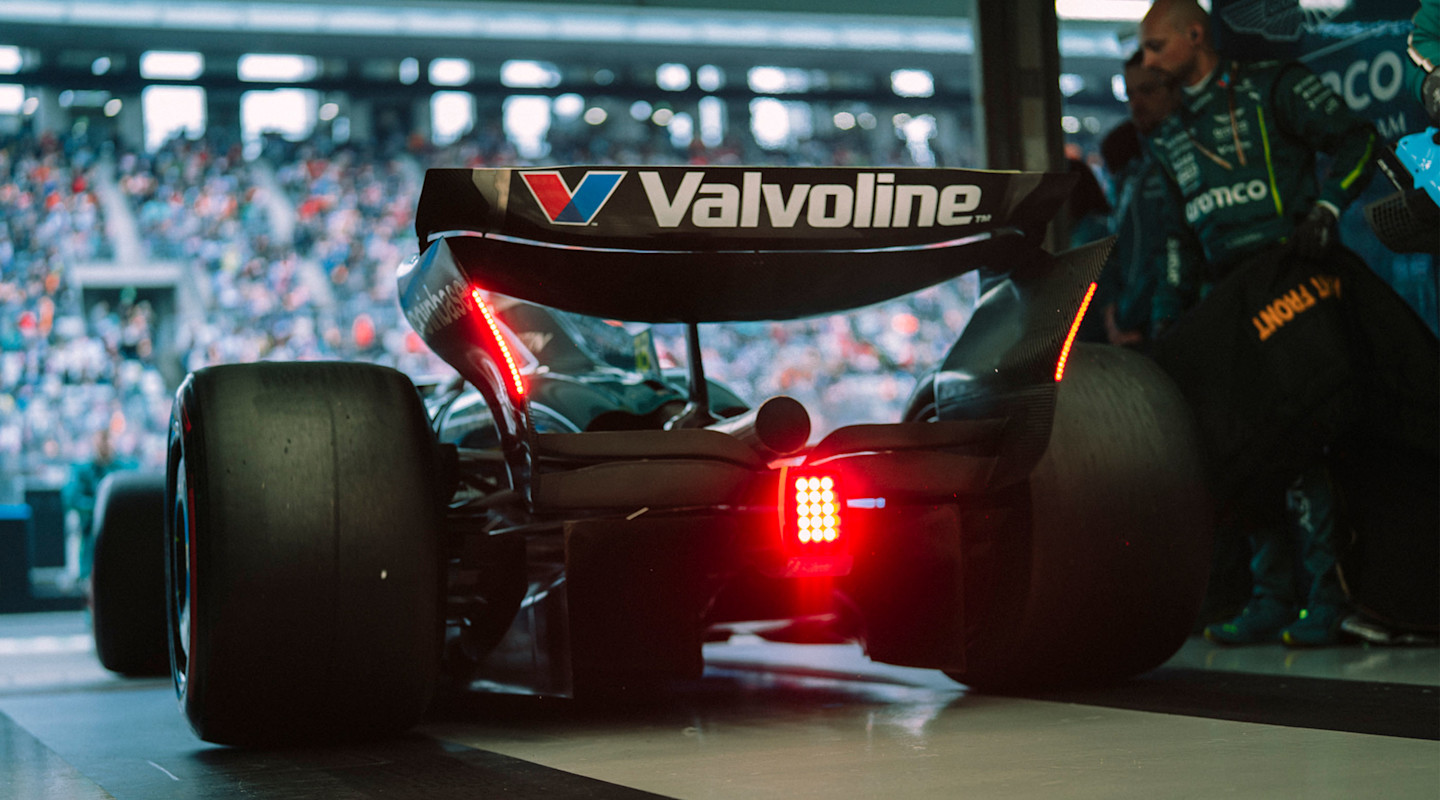
The 'Iceberg' Under the Surface: A Works Team Transformation
The AMR26 is merely the visible tip of a massive infrastructure overhaul. For over a decade, the team formerly known as Force India and Racing Point survived on a "customer" model, buying engines and gearboxes from Mercedes. Moving to a "Works" partnership with Honda is a seismic shift.
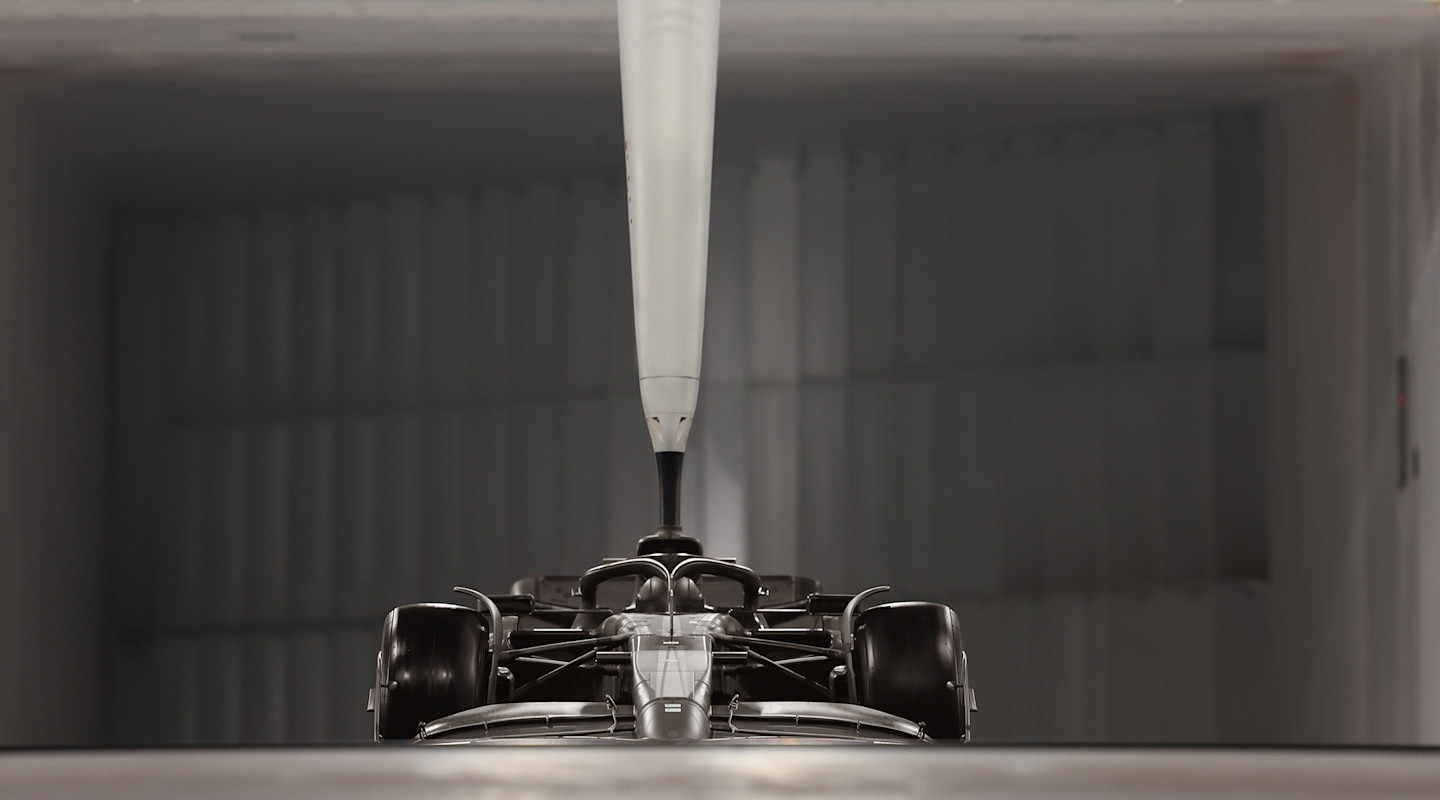
The move from the aging, "Cold War relic" wind tunnel at Bedford (previously used by Red Bull) to the new CoreWeave Wind Tunnel at Silverstone is perhaps the most significant upgrade. This state-of-the-art facility provides real-time data fidelity that the team simply never had access to before.
| Feature | Current 2024/25 Specs | New 2026 AMR26/Honda Specs |
|---|---|---|
| Power Unit Source | Mercedes (Customer) | Honda (Full Works) |
| MGU-K Output | 120 kW | 350 kW |
| Gearbox | Mercedes-supplied | In-house Bespoke Design |
| Fuel | E10 (90% fossil) | 100% Sustainable Synthetic |
| Weight Target | 798 kg | 768 kg (Targeting -30kg) |
Active Aero and the 2026 Ruleset
The 2026 regulations introduce "Active Aerodynamics," a concept that Newey has spent his career dreaming about (and occasionally trying to sneak past the FIA). To balance the high drag of the new power units, cars will feature wings that change position based on where they are on the track.
- Z-Mode (Cornering): The flaps are deployed to maximize downforce, allowing the car to stick to the track through high-speed turns.
- X-Mode (Straights): The flaps flatten out, drastically reducing drag and allowing the car to reach competitive top speeds despite the lower ICE (Internal Combustion Engine) output.
- Manual Override Mode: This is the new "DRS on steroids." Drivers will have a boost of electrical energy available to facilitate overtaking, but it requires precise management of the 50/50 power split between the battery and the engine.
Fernando Alonso has been a constant fixture in the simulator, helping the engineers navigate these modes. The challenge isn't just making the car fast; it's making the transition between Z-mode and X-mode seamless so the driver doesn't lose confidence in the car's balance.
Long-Term Development vs. Initial Speed
Adrian Newey’s philosophy has always been about "development potential" rather than "day-one peak." By starting the wind tunnel program late, he ensured the AMR26 was built on a foundation that could be evolved throughout the 2026 season and beyond. He isn't looking for a "lucky" win in the season opener; he's looking to build a dominant era.
Rival drivers are already taking notice. George Russell recently commented that the AMR26 is the "most standout" design he’s seen in the wind tunnel simulations, noting its radical packaging. While the four-month delay might lead to a slow start in the first few races of 2026, the steepness of Aston Martin’s development curve is what has the rest of the grid worried.

FAQ
Q: Will the 100-day wind tunnel deficit actually hurt Aston Martin? A: In the short term, yes. The team may lack the "fine-tuning" that rivals have at the start of the 2026 season. However, Newey believes the superior fundamental architecture of the AMR26 will allow for much faster development throughout the year, eventually overtaking the early starters.
Q: Why is the Honda partnership so important for 2026? A: Under the new regulations, the integration between the electrical systems and the chassis is paramount. As a "Works" partner, Aston Martin can influence the design of the Honda engine to fit Newey’s aerodynamic needs, rather than having to build a car around a pre-existing Mercedes engine.
Q: Is Fernando Alonso still the right driver for this project? A: Absolutely. The 2026 cars will be heavier and more complex to drive due to the active aero and power management. Alonso’s vast experience and feedback in the simulator are vital for helping Newey bridge the gap between theoretical aero and on-track driveability.
Final Thoughts
Adrian Newey’s move to Aston Martin is the ultimate "Wildcard" in Formula 1's future. The AMR26 might be late to the party, but if history is any indication, when Newey arrives, he usually brings the fastest car with him. Whether the 100-day deficit is a fatal flaw or a brilliant strategic reset will be the defining story of the 2026 season.