Our Top Picks
- Best Overall 4-Season Choice: The OEV Alpine on a 2008 Tundra platform offers the perfect synthesis of Toyota reliability and high-end thermal engineering.
- Most Efficient Layout: By utilizing a flatbed tray, this build maximizes interior living space and external gear storage without exceeding the gross vehicle weight rating.
- Ultimate Off-Grid Setup: The combination of Victron power electronics and an LPG-free kitchen makes this the gold standard for international overlanding and full-time living.
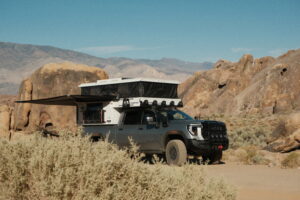
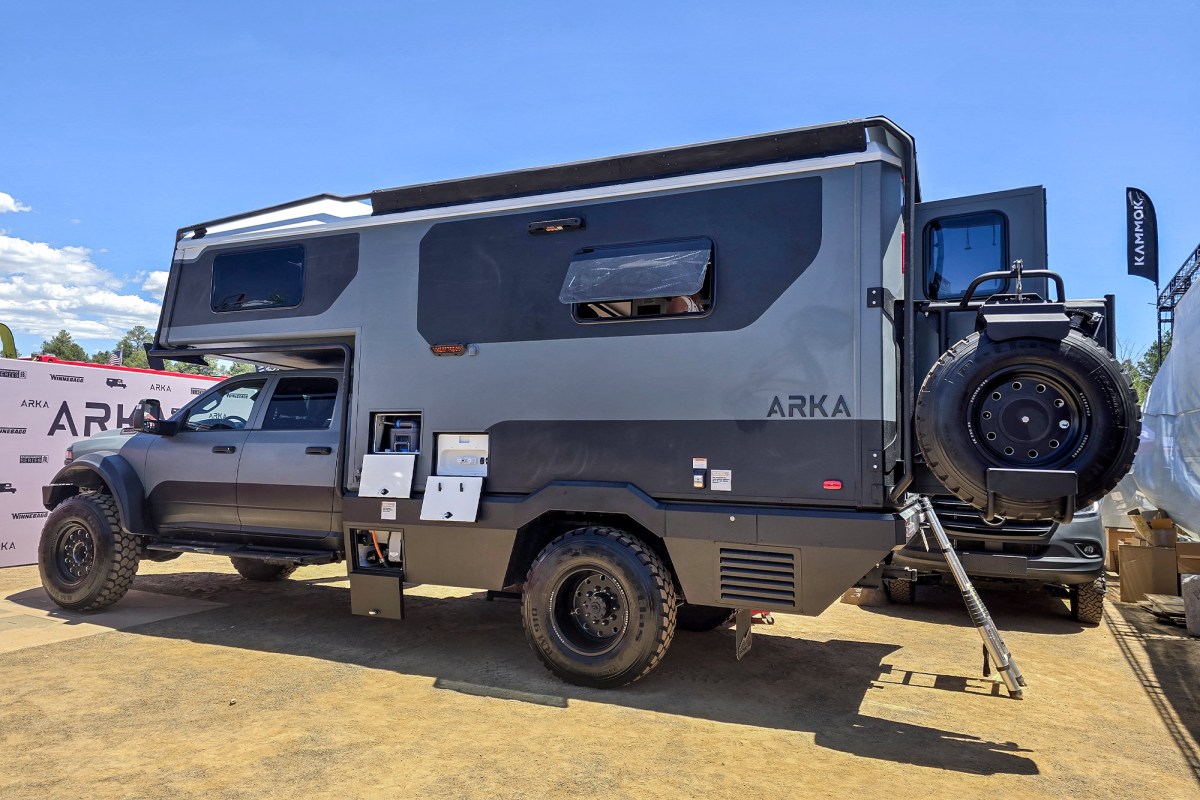
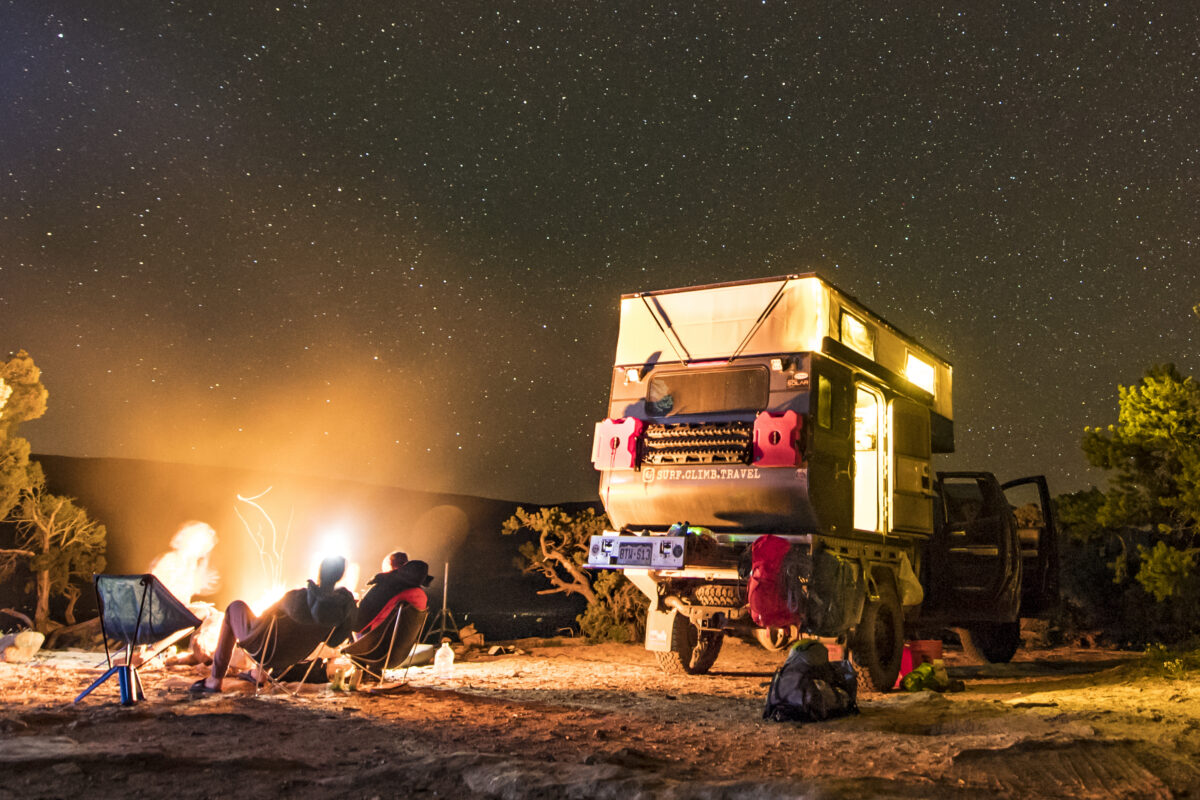
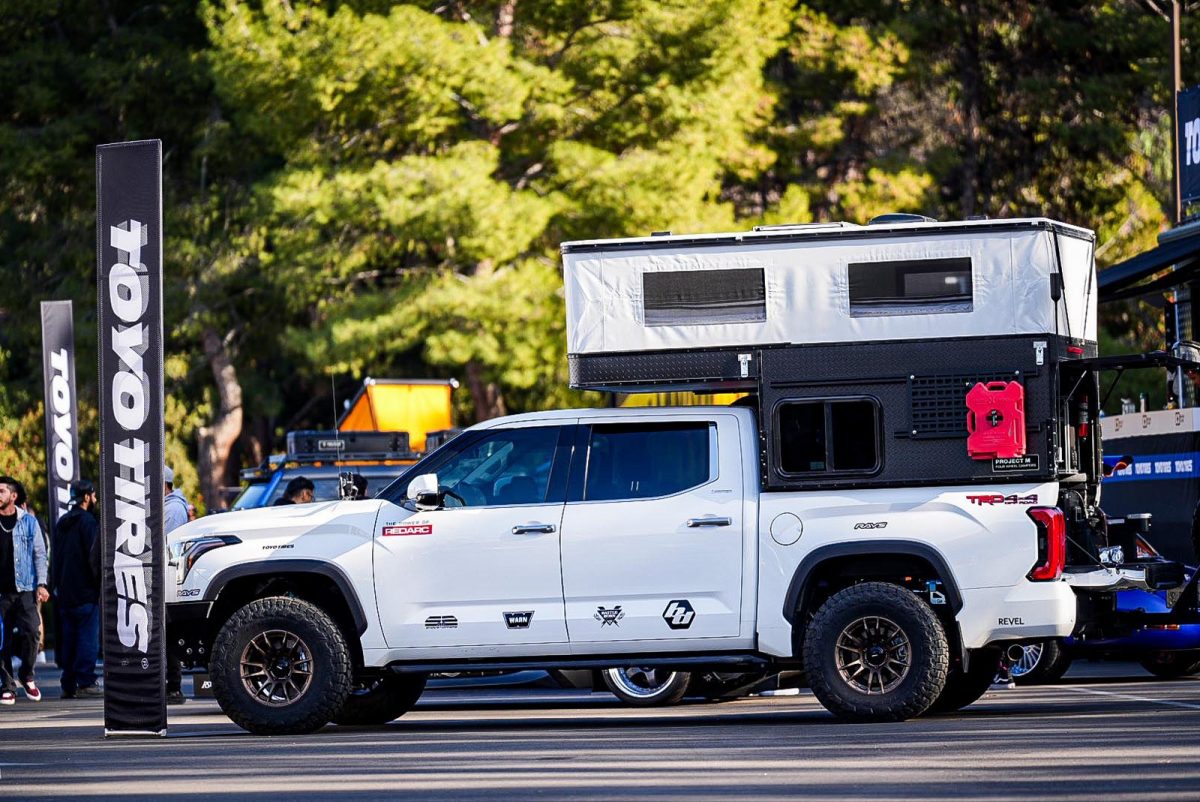
The quest for a global, 4-season home leads many to the 2008 Tundra flatbed camper build. By combining the OEV Alpine with a MITS Alloy tray, overlanders gain a rugged, insulated habitat capable of sub-zero living. This review explores why the Tundra-Alpine pairing is a top-tier choice for international travel. A flatbed camper like the OEV Alpine provides superior living space and insulation compared to traditional slide-in models. Features such as high R-value insulated composite panels, a Truma heating system, and an LPG-free induction kitchen allow for comfortable full-time living even in sub-zero temperatures. The flatbed configuration also enables integrated exterior storage cabinets and better weight distribution for off-road travel.
Why the 2008 Tundra? Strategic Platform Selection
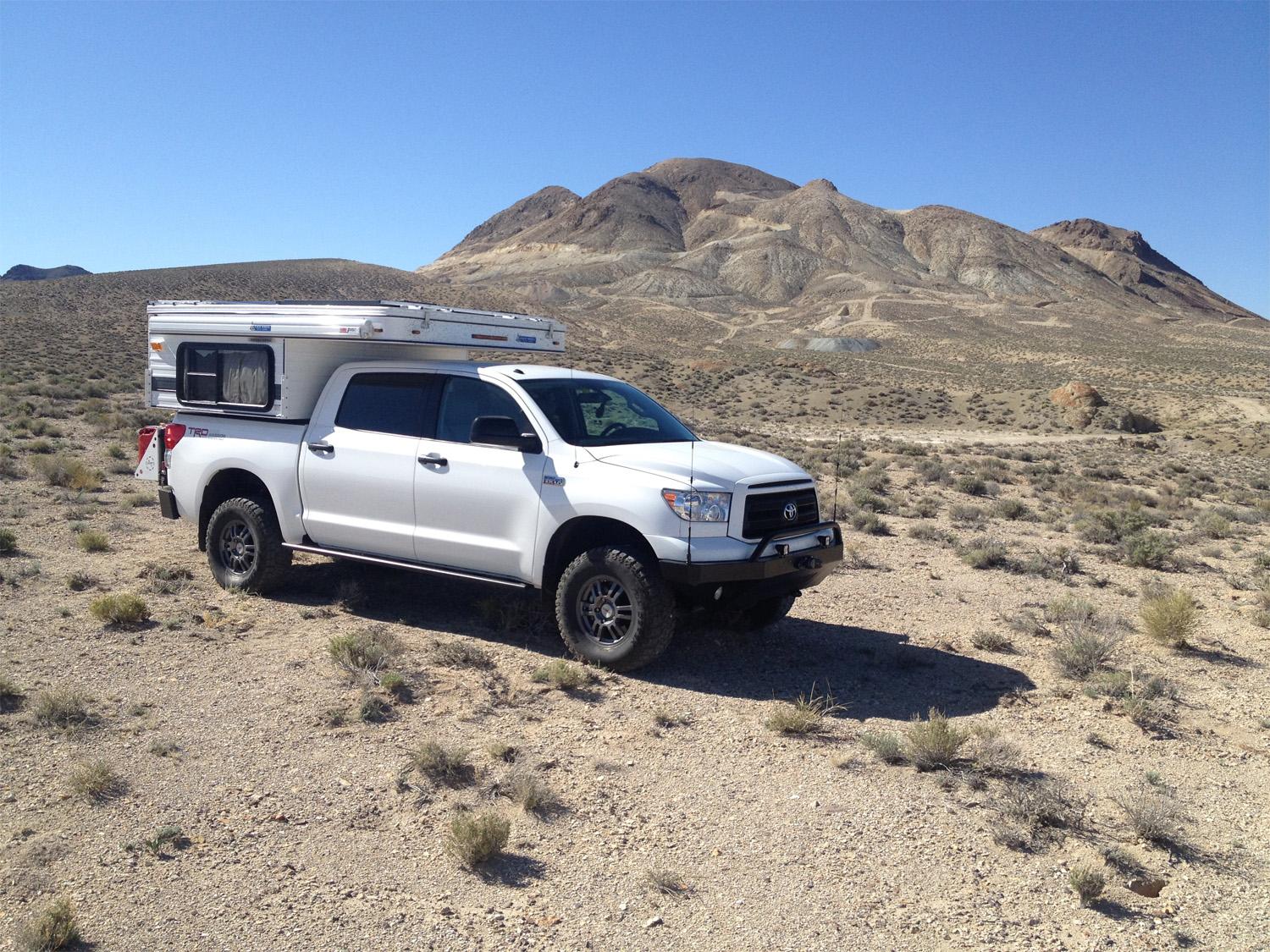
When I look at a potential overland platform, I am not just looking at horsepower or towing capacity. I am looking at global logistics. The 2008 Toyota Tundra is a sweet spot for North American overlanders planning to cross borders. While it is a full-size truck, it shares significant DNA with the Land Cruiser 200-Series, which is sold early and often across the globe. This parts commonality is a massive safety net when you are deep in the backcountry of the Americas or beyond.
The 5.7L V8 is a legendary workhorse, but the real magic is in the mechanical reliability. Unlike newer trucks laden with complex sensors and restrictive emissions equipment that can be finicky with high-sulfur diesel found internationally, the 2008 Tundra is relatively straightforward. It provides a stable, powerful base that can handle the vertical loads of a camper shell while maintaining a reasonable footprint for narrow trails.
Choosing a flatbed camper build over a traditional slide-in allows you to remove the factory bed entirely. This is a critical decision. A factory bed is essentially dead weight with limited utility. By switching to a tray, you move the heavy camper lower and center it more effectively over the rear axle, which significantly improves all-terrain tire performance and highway tracking.
The Foundation: MITS Alloy Tray and Suspension
Building a high-performance flatbed camper starts with the tray. In this specific build, a MITS Alloy tray provides the structural interface between the truck and the OEV Alpine. This isn't just a flat surface; it is a storage solution. The tray features integrated toolboxes and a rear trundle drawer, allowing the owner to keep heavy recovery gear and tools low and outside the living space.
However, the biggest challenge with a full-size truck and a permanent camper is payload management. Even a lightweight flatbed camper shell adds substantial constant weight. To manage this, this Tundra underwent a strict weight diet and a significant tundra flatbed camper suspension setup overhaul.
Expert Tip: Never trust factory payload ratings when building a permanent home. Always weigh your truck fully fueled and loaded to see where you actually stand relative to your Gross Vehicle Weight Rating (GVWR).
The Weight Diet
To keep the truck agile and within safe limits, the builders focused on specific pound-for-pound savings:
- Rear Seat Removal: Removing the rear passenger seats saved a documented 86 lbs. This space was repurposed for a flat floor storage system, perfect for a fridge or dog platform.
- Lithium Conversion: Swapping heavyweight AGM batteries for multiple 100-Ah lithium batteries saved over 60 lbs while tripling usable energy.
- Front-End Discipline: By omitting a heavy front winch and steel bumper, the build preserves the front-end components and maintains better off-road ground clearance.
To support the remaining weight, the truck utilizes heavy-duty leaf springs. Specifically, it uses the Deaver U748LXHD pack, which is rated for a continuous payload of approximately 1,600 pounds. This is paired with ARB BP-51 bypass shocks, allowing for fine-tuned damping to handle the high center of gravity typical of a flatbed camper.
4-Season Living: OEV Alpine Shell Technology
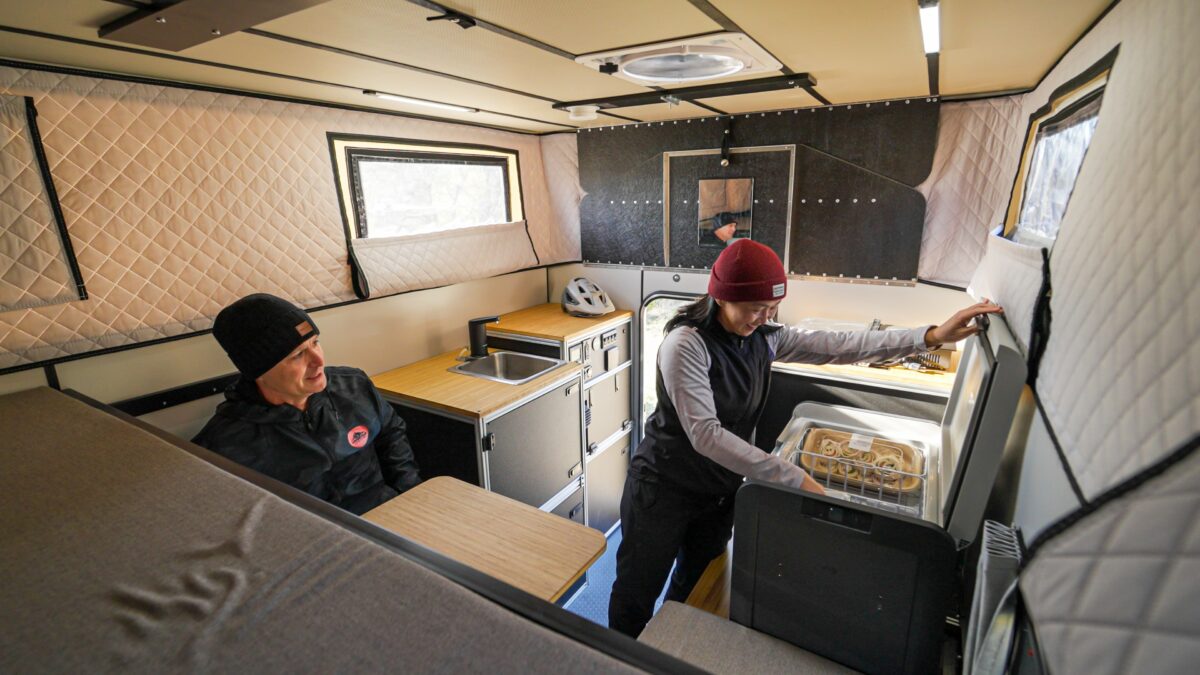
The OEV Alpine is not your average truck camper. Overland Explorer Vehicles (OEV) uses specialized insulated composite panels that eliminate thermal bridging. In a standard camper, the aluminum or wood studs act as a bridge, pulling the cold from the outside directly into the cabin. With these 4-season flatbed camper panels, the interior stays warm even when the exterior skin is frigid.
According to technical reviews on expeditionportal.com, the Alpine is equipped with high R-value insulated walls and an extremely efficient Truma Vario propane heater. This heater is specifically designed for four-season use in sub-zero temperatures, ensuring that condensation is minimized and the occupants remain comfortable in any climate.
| Feature | Slide-In Camper | Flatbed Camper (OEV Alpine) |
|---|---|---|
| Living Space | Restricted by truck bed rails | Extra width and floor-to-ceiling space |
| Storage | Limited to interior cabinets | Integrated exterior tray boxes |
| Weight Dist. | Often biased toward the rear | Centered and lower on the chassis |
| Insulation | Varies (often lower R-value) | Specialized sub-zero insulation |
Off-Grid Systems: Power and Kitchen Efficiency
For those of us who work from the road, the electrical system is the heartbeat of the build. This Tundra features a robust system anchored by Victron power electronics. A Victron SmartSolar MPPT charge controller manages the input from the rooftop solar panels, feeding the battery bank that powers everything from the internal LED lighting to the starlink terminal.
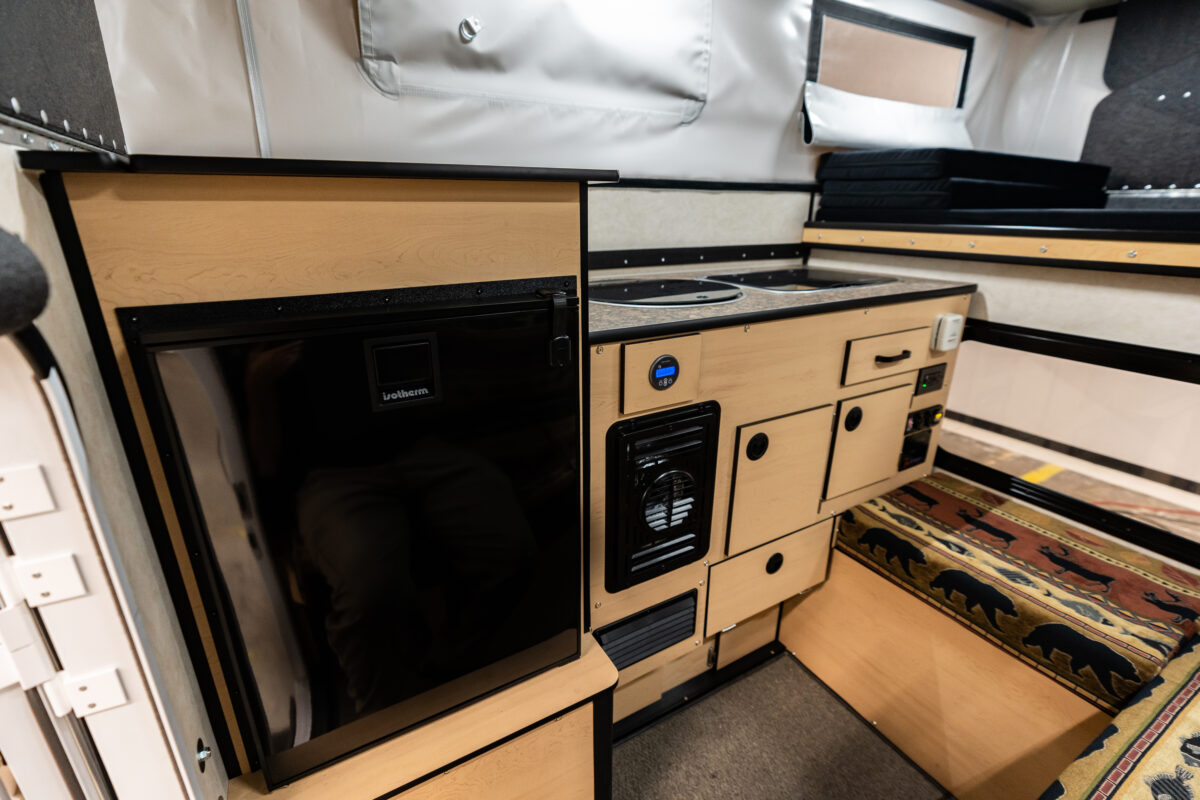
One of the most forward-thinking choices in this oev alpine camper review for full time living is the LPG-free kitchen. Relying on propane can be a major headache during international overlanding. Different countries use different fittings, and finding a refill station can sometimes take days of searching. By utilizing an induction cooktop powered by high-capacity lithium batteries, the user eliminates the need for propane for cooking.
The water system is equally impressive. High-latitude or desert travel requires significant storage. This build includes a 20-gallon fresh water tank integrated within the insulated envelope of the camper to prevent freezing. When combined with a UV purification system, it allows the user to stay off-grid for weeks at a time without needing to return to civilization for supplies.
Professional Verdict
The 2008 Tundra and OEV Alpine combination is a masterclass in compromise—or rather, the lack thereof. Most builders sacrifice comfort for capability or vice versa. By opting for a flatbed camper, this build gains the interior volume of a much larger vehicle while maintaining the off-road prowess of a mid-size truck.
The focus on weight reduction and high-end thermal management makes it a true year-round home. Whether you are chasing powder in British Columbia or traversing the high deserts of the Andes, this setup provides a sanctuary. It is a technical, well-executed response to the challenges of long-term vehicle-based travel.
FAQ
What are the benefits of a flatbed camper over a standard truck camper?
A flatbed model eliminates the dead space created by truck bed wheel wells and side walls. This allows for a much wider floor plan, more vertical storage, and significantly better insulation. It also allows for external storage lockers built into the tray, which are much easier to access than reaching over truck bed sides.
What truck is best for a flatbed camper?
While many trucks can be converted, the 2008-2021 Toyota Tundra is highly recommended for its reliability and LC200 parts commonality. For heavier builds, 3/4-ton and 1-ton trucks like the Ford F-350 or RAM 3500 are often chosen to provide more payload headroom without needing extensive suspension modifications.
Do flatbed campers provide more storage space?
Yes, significantly more. Because the camper sits on a flat tray, there are no "cheater gaps" between the camper and the truck bed. You gain the entire width of the truck for the interior, and the exterior often includes large toolboxes and under-tray drawers that would be impossible with a standard slide-in.
Are flatbed campers better for off-roading?
Generally, yes. By mounting the camper directly to a tray, you can position the center of gravity lower and more forward than a slide-in. This leads to more predictable handling on steep inclines and side-slopes. However, the increased width can be a factor on very narrow, wooded trails.
Is a flatbed camper more stable than a slide-in model?
It typically is. In a flatbed camper vs slide in camper comparison, the flatbed wins on stability because the mounting points are spread wider and the weight is distributed more evenly across the truck chassis. When combined with a proper suspension upgrade like Deaver springs, the truck feels much more planted on both highway and washboard roads.