Quick Facts
- Base Platform: 2026 Nissan Frontier PRO-4X
- Engine: 3.8L V6 with 310 hp and 281 lb-ft of torque
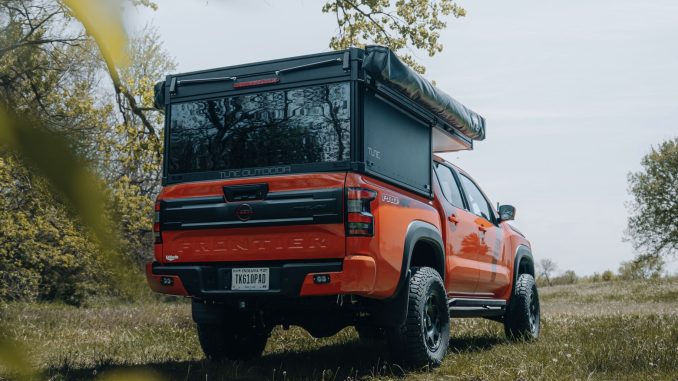
- Habitat: Tune Outdoor M1L Pop-up Canopy Camper (approx. 350 lbs)
- Suspension: AllDogs Offroad Coop Extended Travel with FOX Shocks
- Energy: 100Ah LiFePO4 storage with REDARC management
- Payload Focus: Fully builds out within the 1,220 lbs factory limit
- Key Goal: Maximum off-grid living and off-road capability in a compact footprint
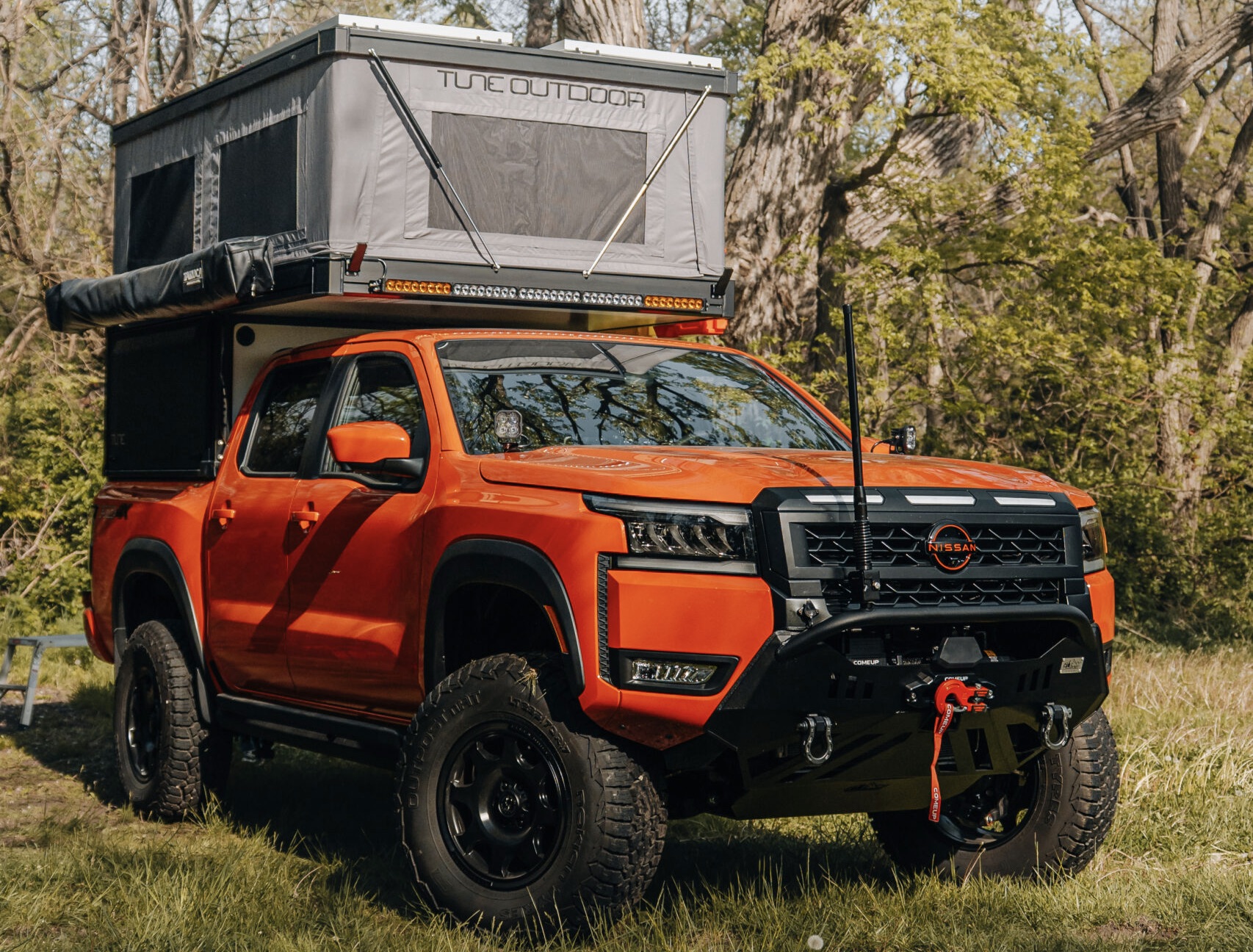
The 2026 Ultimate Overland Build is a collaboration between the Overland Expo Foundation, Nissan, and Tune Outdoor, transforming a Nissan Frontier PRO-4X into a high-performance expedition vehicle. By pairing an AllDogs Offroad suspension with a lightweight Tune M1L pop-up canopy camper, this overland truck build achieves maximum utility without exceeding the factory payload limits.
The Mid-Size Advantage: Why the Nissan Frontier Platform?
When I look at the current market for midsize truck overland build ideas, it is easy to get distracted by flashy marketing. However, the decision to use the Nissan Frontier PRO-4X for this project stems from what I call the honest platform philosophy. Reliability is king when you are miles from the nearest paved road, and historical data suggests that about 92% of Frontiers remain operational over long-term cycles, making it a reliable expedition vehicle foundation.
The 2026 model provides a refined balance of trail approachability and power. Under the hood, this nissan frontier pro-4x overland build is powered by a 3.8-liter V6 engine that produces 310 horsepower and 281 lb-ft of torque. This power profile is crucial because, while the Frontier is nimble, the real challenge for any midsize truck is the factory payload capacity. With a 1,220-lb limit, every ounce counts. Most builders make the mistake of over-equipping their rigs until they are sluggish and dangerous. This project, however, was designed from the ground up to respect GVWR compliance while delivering a premium off-grid experience.
Mechanical Optimization: Suspension and Performance
The factory suspension on most midsize trucks is tuned for a mix of daily commuting and light hauling, which often leads to sag and poor handling once you add a camper and gear. To address this, the build features an AllDogs Offroad suspension system that utilizes Nissan Titan components to increase the vehicle's track width by 2.5 to 3 inches for enhanced stability. This is not just a simple lift kit; it is a fundamental geometry change that improves suspension articulation on technical terrain.
By integrating Titan-diameter components with custom-valved FOX shocks, the team achieved a setup that handles the weight of the camper without sacrificing the ride quality on the highway. I have tested many setups, and the stability provided by a wider track is a game-changer when navigating off-camber sections of a trail. For those learning how to build overland truck systems, managing the center of gravity is just as important as increasing ground clearance.
Performance is further bolstered by several key upgrades:
- Suspension: AllDogs Offroad Coop Extended Travel with FOX 2.5 shocks
- Leaf Springs: Custom-rate rear packs specifically tuned for the constant load of the camper
- Exhaust: Borla cat-back system for improved flow and a throaty note
- Traction: All-terrain traction is provided by Nokian Outpost nAT tires on Black Rhino Tembo wheels
Proper overland build payload management means selecting parts that serve multiple purposes. The wider stance improves stability, which in turn allows the driver to feel more confident when the truck is fully loaded.
The Habitat: Living Large with the Tune M1L Camper
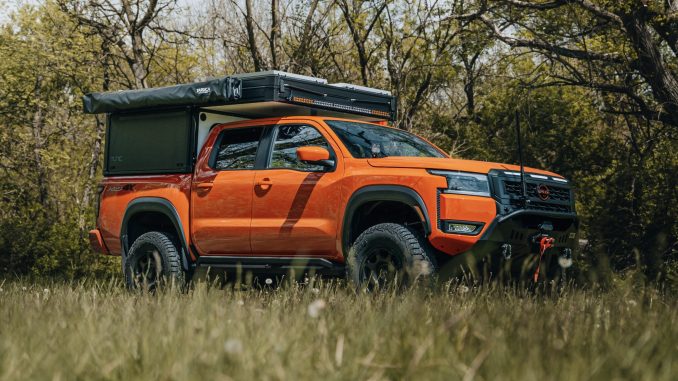
The centerpiece of this project is the Tune Outdoor M1L. For anyone browsing overland build ideas, the camper choice is usually the most debated topic. The Tune M1L is a lightweight popup truck camper setup that addresses the biggest pain point of truck camping: weight. With a starting weight of approximately 350 pounds, it leaves plenty of room in the payload for water, fuel, and gear.
The pop-up canopy design is ingeniously simple. It maintains a low profile while driving to reduce wind drag, but once you arrive at camp, it expands to provide over seven feet of standing room. This vertical space is a luxury in the midsize world. The cabover bed slides forward, which essentially doubles the usable floor space during the day—perfect for escaping a storm or working remotely.
Weight Distribution Comparison
| Component | Stock Weight (Est) | Build Weight (Actual) | Impact on Payload |
|---|---|---|---|
| Camper Habitat | 0 lbs | 350 lbs | Tune M1L Canopy |
| Suspension Upgrades | 80 lbs | 115 lbs | Heavy duty components |
| Armor & Winch | 0 lbs | 185 lbs | Protection & Recovery |
| Interior Gear | 0 lbs | 220 lbs | Fridge, Power, Heater |
| Total Build Weight | 80 lbs | 870 lbs | 350 lbs remaining |
This leaves a healthy margin for passengers and personal items, ensuring the truck stays within its limits. This attention to detail makes it a more viable long-term solution than a heavy, permanent slide-in camper. If you are looking for an overland build for sale, always ask for a weight ticket.
Off-Grid Systems: Energy and Climate Management
Developing a robust overland truck electrical system build is what separates a weekend warrior from a true off-grid vehicle. This Frontier utilizes a 100Ah Battle Born LiFePO4 energy storage unit, which offers a significantly better depth of discharge compared to traditional lead-acid batteries. The system is managed by a REDARC Scout management system, which handles charging from the alternator while driving and integrates solar power management for when you are stationary.
For those planning to spend time in the high desert or mountains, climate control is essential. Rather than a bulky diesel heater, this build features a Rixen’s hydronic heating and hot water system. This system taps into the vehicle’s coolant loop to provide heat to the camper body and hot water for a shower. It is an elegant, integrated solution that saves space and fuel.
The interior also includes:
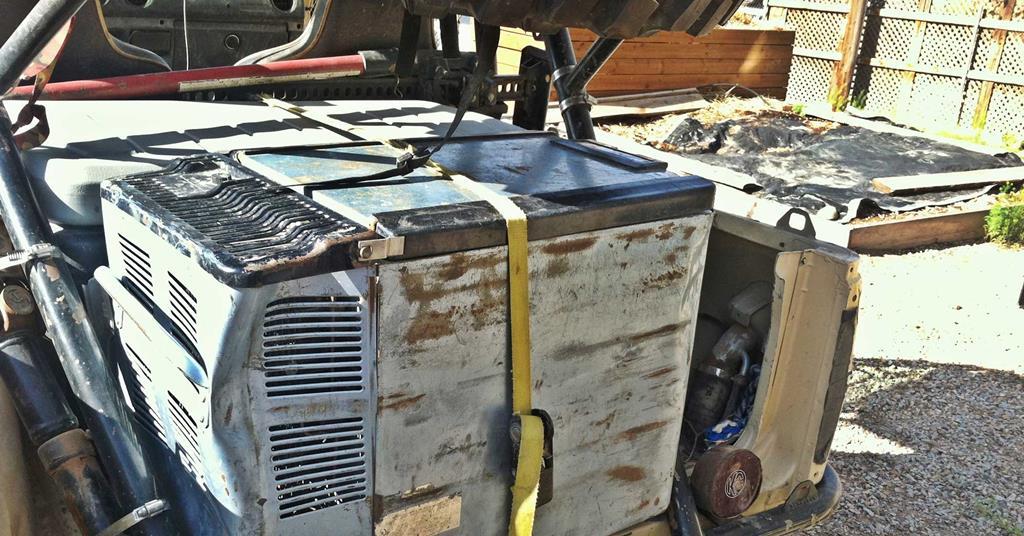
- Cooling: A 60L dual-zone electronic cooler to keep perishables fresh without the need for ice.
- Storage: Modular overland truck bed build components that allow for organized gear storage.
- Connectivity: GMRS communication equipment for trail chatter and emergencies.
Trail Readiness: Armor, Recovery, and Accessories
A great rig is only as good as its ability to get back home. To protect the investment, the Frontier is fitted with NISMO rock sliders and a ComeUp winch tucked into a discrete front mount. These recovery equipment items are non-negotiable for solo travel. If you are aiming for a budget overland truck build, I always recommend prioritizing recovery and tires over fancy lights.
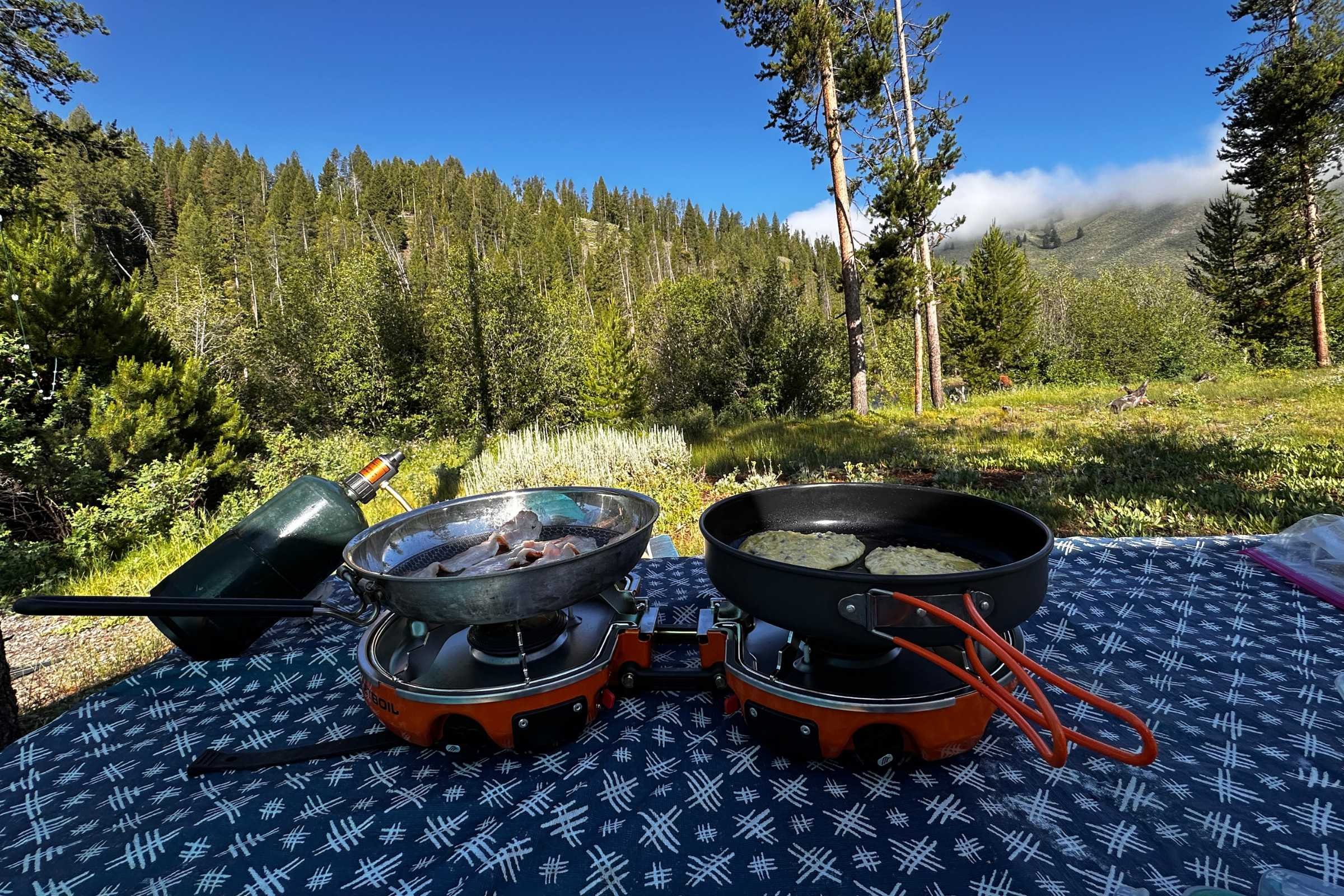
For exterior utility, the rig features a 270-degree awning that provides massive shade and rain protection with a single person setup. To keep the Leave No Trace ethic, the team included a portable fire pit system, allowing for a campfire experience without damaging the ground or leaving a scar on the landscape. This build proves that a midsize truck platform can be just as capable and comfortable as its full-size counterparts when the right components are selected.
Whether you're looking for overland trucks for sale or building your own, this Frontier serves as a masterclass in balance. It isn't just a collection of parts; it's a calculated response to the challenges of off-grid living.
FAQ
Which truck is best for overlanding?
The best truck depends on your needs, but the Nissan Frontier and Toyota Tacoma are top midsize choices due to their reliability, aftermarket support, and physical size. Full-size trucks like the Ford F-150 or RAM 2500 are better for heavy campers and long-distance comfort but can be restricted by their width on tight technical trails.
Can you overland in a full-size truck?
Yes, you absolutely can. Full-size trucks offer superior payload capacity and towing, making them ideal for larger families or those wanting a more permanent living space. However, you must be mindful of their size, as many forested or mountainous trails are designed for narrower vehicles.
What is considered the best overland vehicle?
There is no single best vehicle, but the Toyota Land Cruiser and Jeep Wrangler are often cited for their legendary off-road capability. Recently, midsize trucks have become the preferred choice for many because they offer a bed for a camper or habitat while maintaining daily-driver utility.
Is the $10,000 Toyota truck real?
You might be referring to the Toyota Hilux Champ or similar models sold in international markets. While certain simple, rugged trucks are sold for very low prices in Southeast Asia and South America, they often do not meet the safety or emissions standards required for the North American or European markets.
Can I live full time in an overlanding vehicle?
Living full-time is possible and becoming increasingly popular. To succeed, you need a reliable power system, a way to manage water and waste, and a habitat that offers enough climate protection for all seasons. Payload management is the biggest hurdle for full-time living in a truck-based rig.