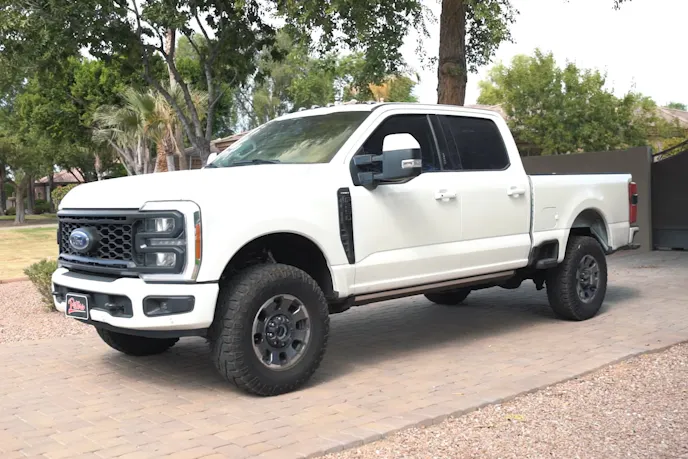
Quick Facts
- The Platform: The Toyota Land Cruiser 70 Series or the Toyota Tacoma Trailhunter are the gold standard for West African logistics.
- Fuel Range Target: Aim for a 1,000km+ range by integrating an auxiliary fuel tank for overland expedition and carrying spare jerry cans.
- Tire Strategy: Stick to common sizes like 235/85R16 to ensure you can find replacements in remote villages.
- Payload Focus: Prioritize GVWR optimization over aesthetics to prevent chassis stress and suspension failure.
- Build Philosophy: Adopt the Build to Thrive mindset, using 12V compression fridges and induction cooking for long-term sustainability.
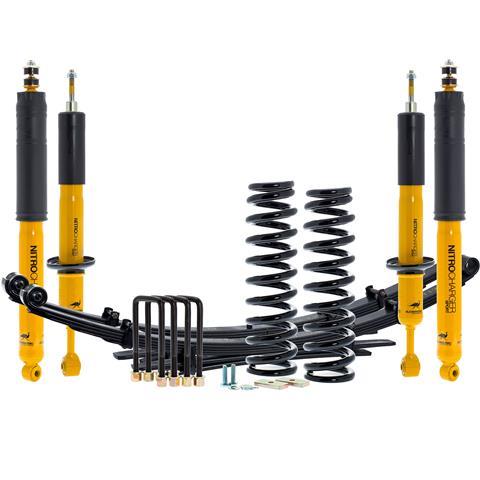
- Key Modification: High-rate suspension spring rates are non-negotiable for handling the constant load of water and fuel.
Choosing a reliable base platform like a Toyota Tacoma, Tundra, or Land Cruiser is critical for long-distance expedition builds. These vehicles offer built-in durability and factory options like locking differentials and off-road suspension that simplify the build process. Starting with a trusted brand minimizes mechanical guesswork and ensures parts availability in remote regions such as West Africa. Successfully engineered overland builds require a focus on range, weight, and mechanical simplicity to survive the diverse Saharan crossing prep required for the continent.
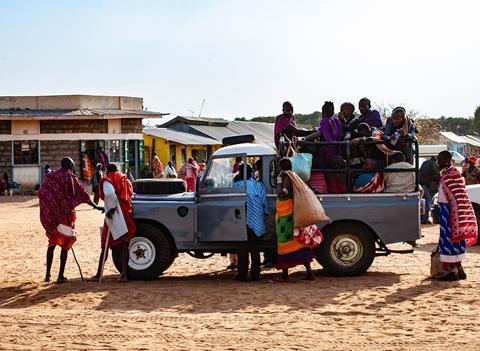
Choosing the Platform: Why Toyota Reigns in West Africa
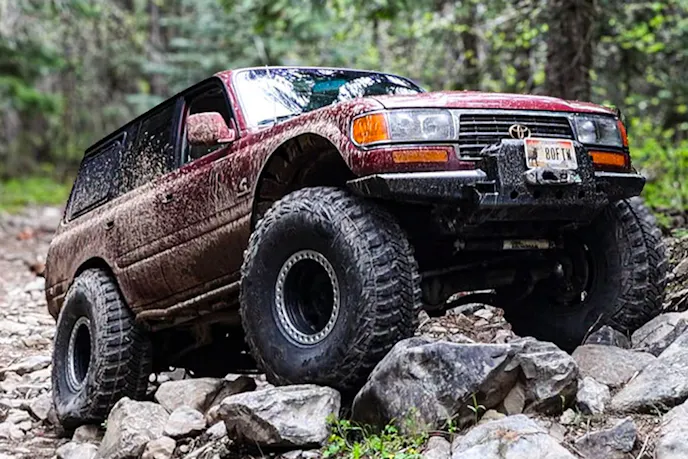
When you are deep in the Sahel, miles from the nearest paved road, the badge on your grille matters. In West Africa, Toyota isn't just a choice; it is a lifeline. The Toyota 70 Series Land Cruiser is the most prevalent vehicle for international overland travel in Africa, outnumbering other four-wheel drive vehicles by a ratio of at least two-to-one in many regions. This isn't just because they are tough—it is because of remote terrain logistics. If you break a leaf spring or blow a seal in a remote Gambian village, the local mechanic likely has a Toyota part sitting on his shelf.
For those shipping a vehicle from North America, tacoma overland builds and toyota tundra overland builds are becoming increasingly popular. While the Hilux is the local equivalent of the Tacoma, many modern Toyota components share a common architecture, making expedition vehicle preparation more predictable. Approximately 80% of vehicles imported into Sub-Saharan Africa are second-hand units, with Toyota models like the Hilux and Land Cruiser being favored for their durability and the widespread availability of spare parts across the continent.
Choosing between a Tacoma and a Tundra comes down to a trade-off between agility and payload. A Tacoma is easier to maneuver through tight market streets and narrow bush tracks, while a Tundra offers the grunt needed for heavier setups. However, Land Cruiser expedition builds remain the gold standard for those prioritizing pure mechanical sympathy and longevity in the harsest environments.
| Feature | Land Cruiser 70 Series | Toyota Tacoma (Gen 4) | Toyota Tundra (Gen 3) |
|---|---|---|---|
| Engine Focus | Diesel / Naturally Aspirated | i-FORCE Turbo / Hybrid | i-FORCE Twin-Turbo V6 |
| Payload Capacity | High (Up to 1,000kg+) | Moderate (approx. 700kg) | High (approx. 800kg+) |
| Parts Availability | Ubiquitous in Africa | Moderate (shares with Hilux) | Low (requires shipping) |
| Off-Road Tech | Manual lockers / Solid axle | Multi-Terrain Select / IFS | Advanced Crawl Control / IFS |
| Ideal For | Pure utility & remote bush | Agile solo exploration | Heavy campers & comfort |
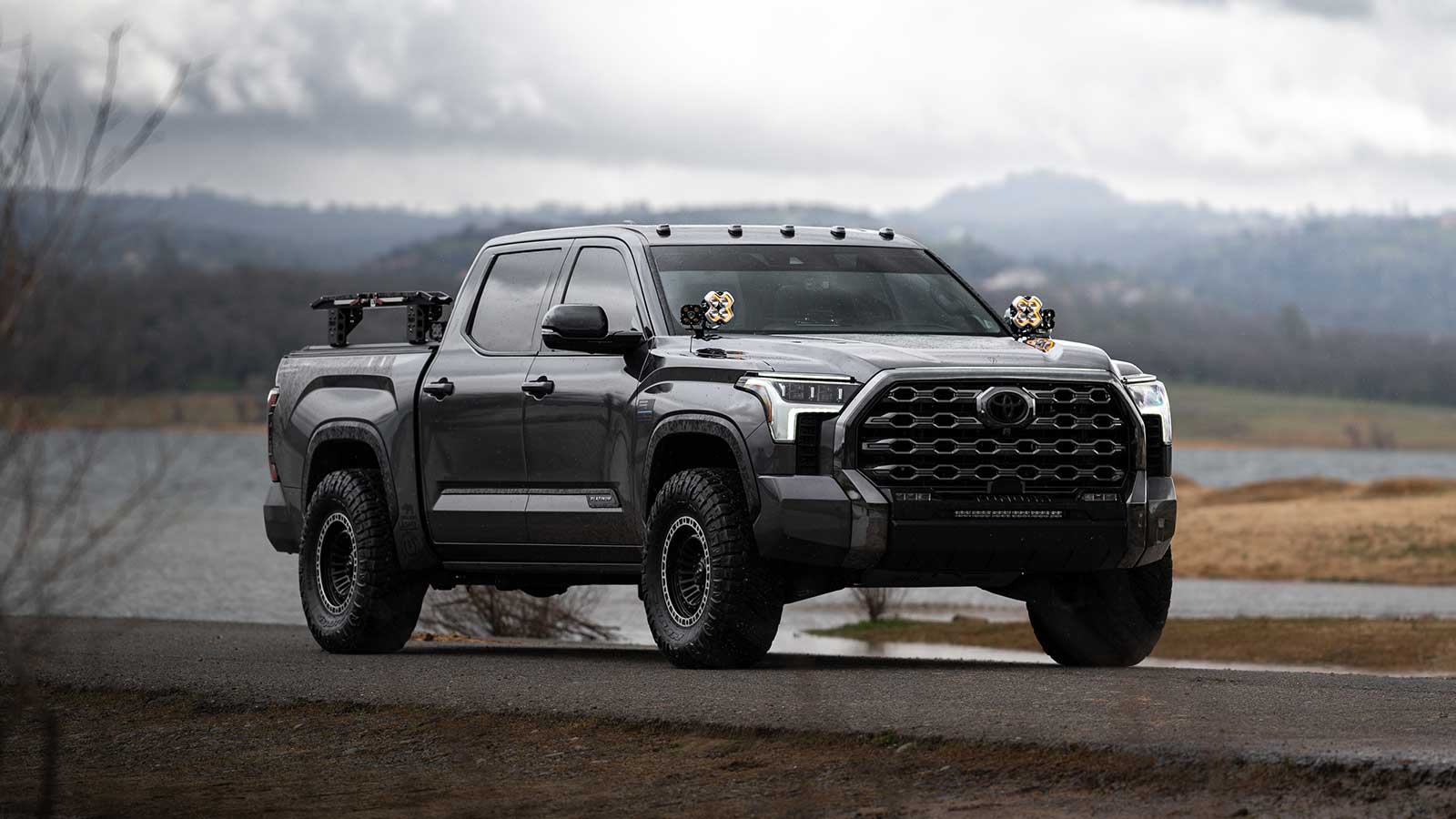
Range and Resilience: Fueling for 1,000km+
Fuel is the currency of the desert. In West Africa, you cannot always rely on the next village having a functioning pump, let alone the high-quality unleaded or low-sulfur diesel your modern engine might crave. Successful overland build ideas must include a strategy to push your range beyond the 1,000km mark. This provides a safety margin for unexpected detours or sand-clogged tracks that cut your fuel economy in half.
For most best overland builds, this means installing a permanent auxiliary fuel tank for overland expedition. Replacing the spare tire carrier with a long-range tank can often double your capacity. If a custom tank isn't an option, you must rely on 20L jerry cans, but keep in mind that the weight of fuel is significant. A dual battery management system is also essential here; you don't want to find your main battery dead after a night of running your fridge in the middle of a Saharan crossing prep phase.
Modern Toyota engines like the i-FORCE MAX offer better efficiency than older V8s, but they are more sensitive to fuel quality. Carrying spare fuel filters and perhaps a pre-filter system is a vital part of your expedition vehicle preparation. Reliability in West Africa is built on the foundation of never running dry and never letting contaminated fuel reach your injectors.
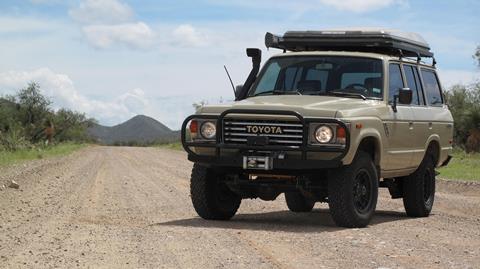
Suspension and Payload: The Art of GVWR Optimization
The single most common mistake in expedition vehicle preparation for africa is overloading. It is easy to keep adding gear—steel bumpers, winches, roof racks, and drawers—until you have exceeded your Gross Vehicle Weight Rating (GVWR). An overloaded truck handles poorly, breaks components, and gets stuck more easily. GVWR optimization is about making every kilogram count.
When selecting your suspension, focus on suspension spring rates designed for a constant load. Most factory suspensions are designed for a mix of empty and loaded driving. For an expedition build, your truck is always loaded. Brands like Old Man Emu or Koni offer heavy-duty springs and dampers specifically valved for the weight of a fully kitted rig.
Avoid the temptation of a massive 6-inch lift. A 2-inch lift is usually the sweet spot for Land Cruiser expedition builds. It provides enough clearance for larger tires while maintaining sensible CV joint angles. Excessive lift heights increase the center of gravity, which is the last thing you want when navigating the severe road surface irregularities found on the Trans-African Highway 7, which still features significant unpaved sections.
The Habitat: Organization for Multi-Month Expeditions
Living out of a vehicle for months at a time requires a shift in mindset. You aren't just camping; you are inhabiting. To thrive, you need a system where every tool has a home. Storage drawer systems are the backbone of this organization. They allow you to access recovery gear kits or kitchen supplies without unpacking half the truck.
For food preservation, skip the ice and go straight for 12V compression fridges. In the heat of West Africa, a high-quality fridge is a necessity for food safety and morale. Many modern builds are also moving toward induction cooking systems powered by large lithium battery banks. This eliminates the need to carry varied gas canisters, which can be notoriously difficult to refill across different African borders.
Sleeping arrangements also dictate your energy levels. While ground tents are simple, a hardshell camper or a rooftop tent like those from Alu-Cab offers a faster setup and better protection from the elements and local wildlife. When your bed is ready in 60 seconds, you are much more likely to enjoy the journey rather than dread the camp chores.
Mechanical Sympathy: Mods to Avoid for Longevity
In the world of off-roading, there is a concept called mechanical sympathy. It is the understanding of how much stress a component can take before it fails. When planning reliable expedition vehicle modifications, sometimes the best choice is what you don't install.
For instance, oversized tires (35 inches or larger) look great, but they significantly increase the stress on your drivetrain. In a heavy expedition rig, this can lead to pinion gears stripping or axle shafts snapping under load. Sticking to a 33-inch tire (like a 285/70R17 or 235/85R16) keeps your gearing in a happy place and makes finding a replacement in a remote town much easier.
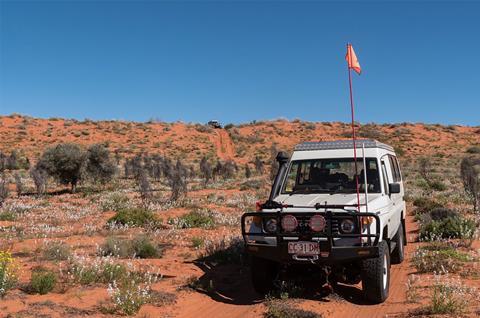
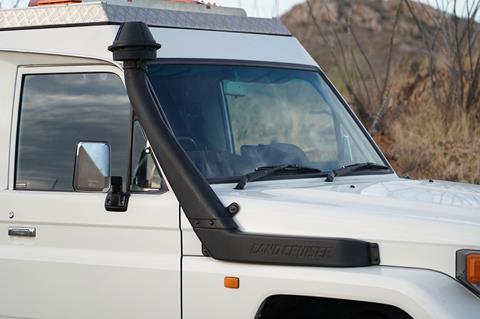
Another area to watch is the roof. While a roof rack is great for bulky items, try to restrict the weight to no more than 5% of your GVWR. Too much weight up high makes the vehicle prone to rolling on off-camber sections and puts immense stress on the roof pillars during corrugated road travel. Finally, ensure your engine can breathe. A snorkel with a pre-cleaner is essential for Saharan crossing prep, as it pulls air from above the thickest dust clouds, extending the life of your air filters and engine.
FAQ
What is the best vehicle to start an overland build?
The best vehicle depends on your region, but for international travel, the Toyota Land Cruiser 70 Series or the Toyota Hilux/Tacoma are the top choices due to their global parts availability and proven durability.
What are the essential modifications for overlanding?
Focus on the trinity of reliability: upgraded suspension for weight management, a high-quality 12V compression fridge for food storage, and expanded fuel capacity via an auxiliary tank or jerry cans.
How do I manage weight in an overland build?
Use a spreadsheet to track the weight of every modification and piece of gear. Aim to stay under your vehicle's GVWR by choosing lightweight aluminum components where possible and prioritizing essential tools over luxury gadgets.
Do I need a 4x4 for an overland build?
While many roads can be tackled with high clearance and a rear locker, a true 4x4 system is essential for the sandy tracks of West Africa and the mud encountered during the rainy season. It provides the necessary traction to avoid getting stuck in remote areas.
What should I upgrade first on my overland rig?
Always start with high-quality tires and a basic recovery kit. From there, upgrade your suspension to handle the weight of your planned gear before moving on to electrical systems or interior comfort items.
Engineering an expedition Toyota for West Africa is a lesson in restraint and preparation. By focusing on the fundamentals—platform reliability, range, and weight management—you create a vehicle that doesn't just survive the journey but allows you and your team to thrive in some of the most beautiful and challenging environments on Earth. Mechanical sympathy and field maintenance tools will take you further than any flashy accessory ever could. Safe travels out there.