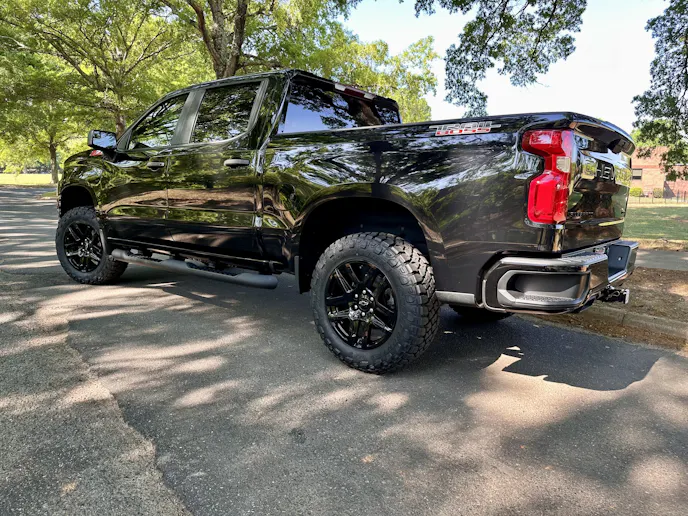
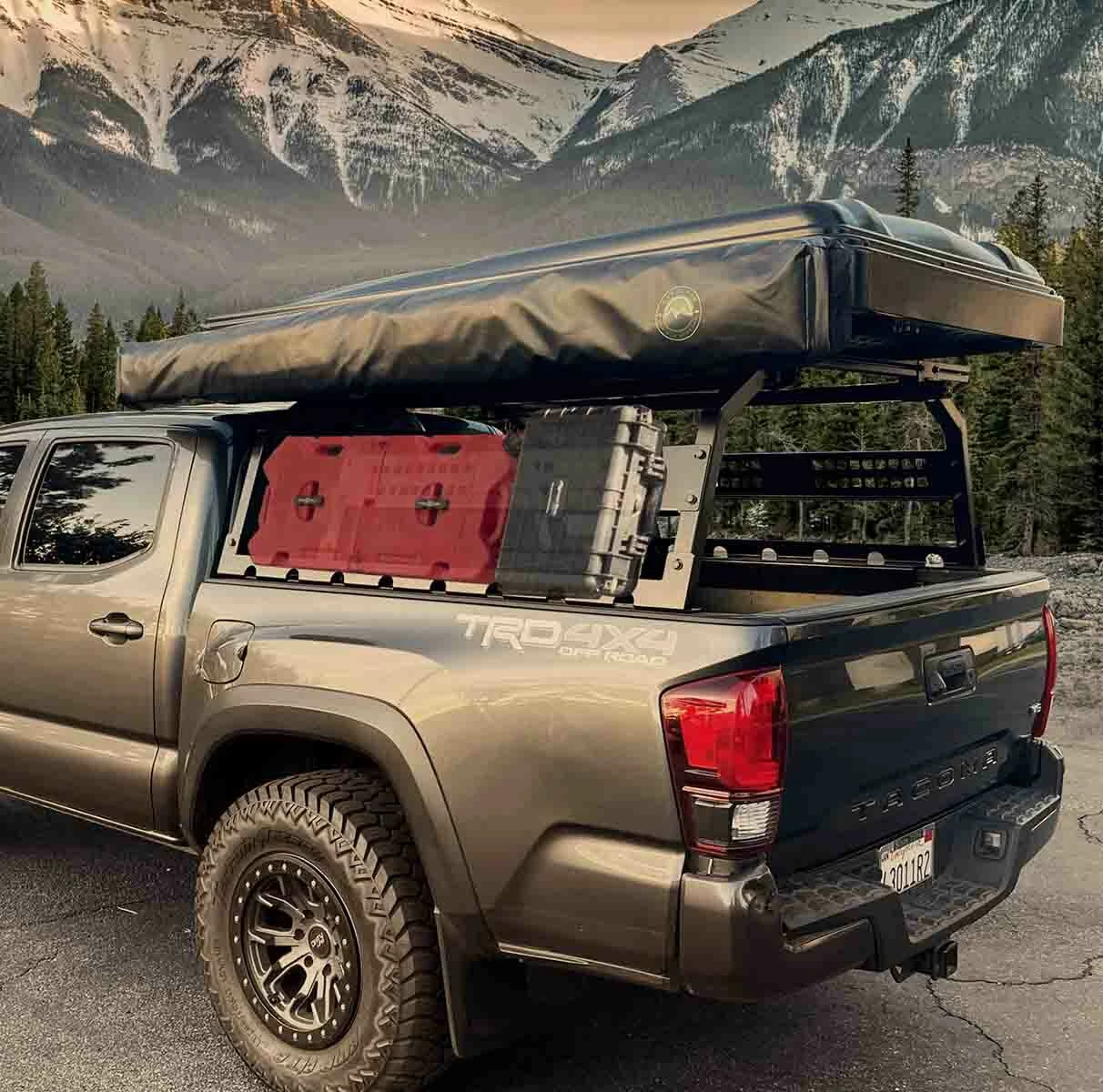
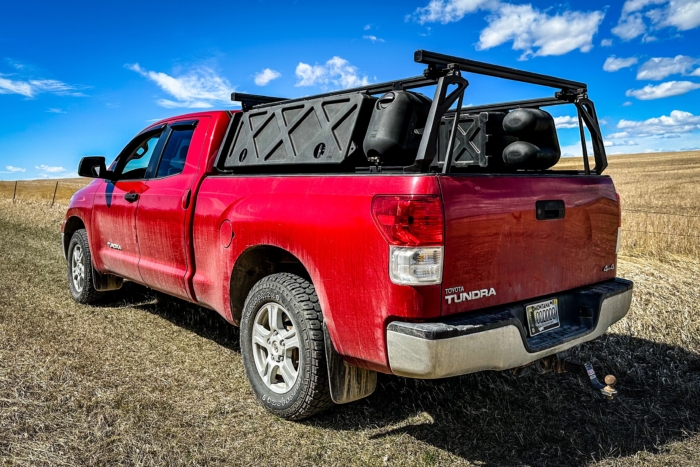
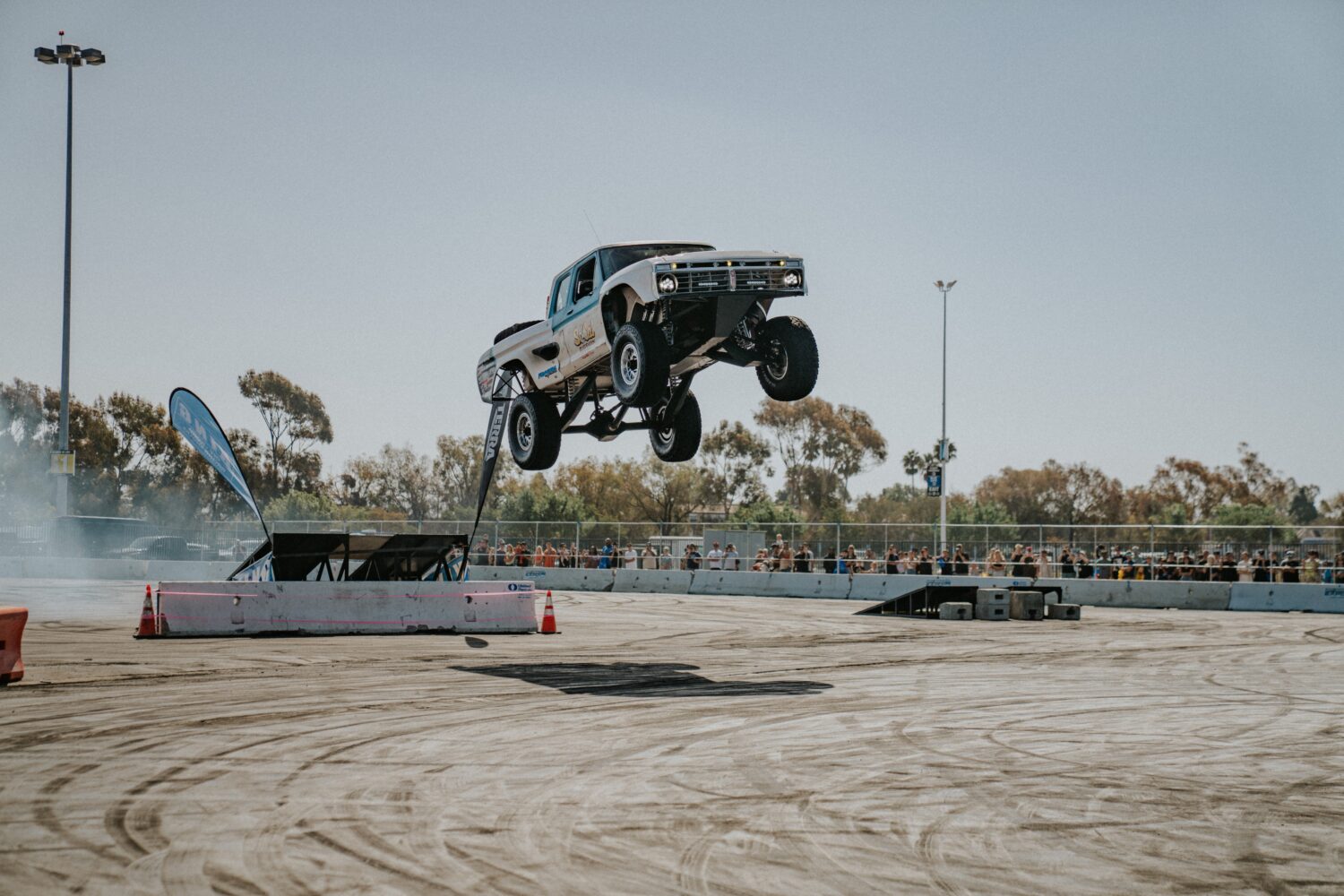
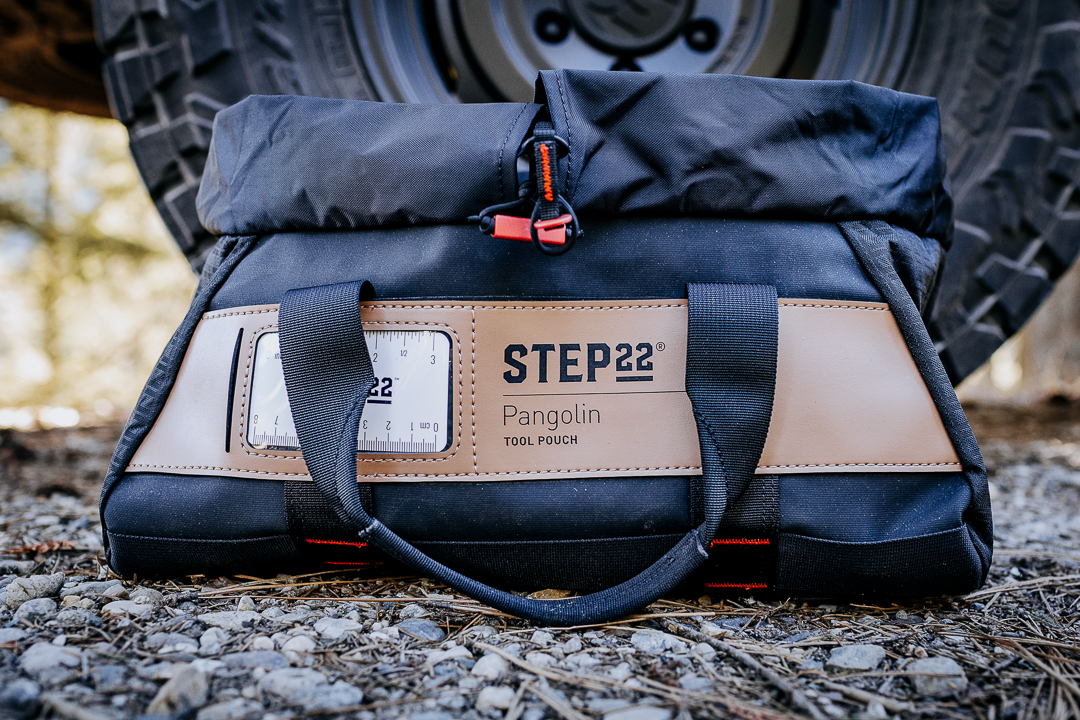
We’ve all seen it at the trailhead: a rig so laden with gear that its rear springs are groaning, the nose is pointed toward the clouds, and the bump stops are doing more work than the shocks. It’s the "overlanding lean," and while it might look like a badge of preparedness, it’s actually a mechanical liability. In the quest to be ready for every possible scenario, many of us fall into the payload trap, inadvertently turning our agile 4x4s into sluggish, dangerous, and fuel-thirsty anchors.
The Engineering Reality of Payload Management
When we talk about vehicle limits, the most important number is the Gross Vehicle Weight Rating (GVWR). This is the maximum weight your vehicle can safely carry, as determined by the manufacturer. It includes the vehicle itself, fuel, passengers, and every single accessory you’ve bolted on. The "Payload Trap" occurs when we underestimate the cumulative weight of our build. We add a steel bumper here, a winch there, and a drawer system in the back, only to realize we’ve consumed 80% of our capacity before we’ve even packed a cooler.
How does excess weight affect an overlanding vehicle? Carrying gear beyond the GVWR increases stress on the suspension, brakes, and transmission, leading to reduced handling performance, longer stopping distances, and significantly lower fuel efficiency. On the trail, an overweight rig is more prone to drivetrain failure and has a much higher "tipping moment," making off-camber sections feel terrifyingly unstable.
Expert Insight: Payload isn't just a safety metric; it’s a performance metric. Every pound you strip away is a pound your engine doesn't have to move and your brakes don't have to stop. Aiming for "light and fast" isn't just for hikers; it’s the gold standard for expedition-grade reliability.
Calculating the 'Always-Packed' Baseline
Before we look at the gear, we have to look at the math. Most of us calculate our weight based on the gear in the back, but we often overlook the "fluid factor." Fluids are dynamic loads that shift as you drive, and they are surprisingly heavy.
The weight of fluids is non-negotiable, but accounting for them accurately allows us to make better decisions elsewhere. For example, a 40-gallon long-range fuel tank adds roughly 240 lbs of dynamic weight to your chassis. When you add that to 10 gallons of water, you’re looking at over 320 lbs before a single piece of recovery gear is loaded.
| Fluid Type | Weight per Gallon | 10 Gallon Total | 30 Gallon Total |
|---|---|---|---|
| Gasoline | ~6.0 lbs | 60 lbs | 180 lbs |
| Diesel | ~7.1 lbs | 71 lbs | 213 lbs |
| Fresh Water | ~8.34 lbs | 83.4 lbs | 250.2 lbs |
Top Lightweight Substitutes for Heavy Hardware
What are some ways to reduce vehicle payload for overlanding? You can reduce weight by swapping heavy steel components for lightweight alternatives, such as using carbon-fiber-reinforced rooftop tents, rackless luggage systems, and ultralight camping quilts instead of traditional heavy sleeping bags. It’s about the "credibility math" of every item—asking if the utility of a heavy piece of gear justifies its weight penalty.
1. Ultralight Shelters: The Carbon-Fiber Revolution
The rooftop tent (RTT) is often the single heaviest item on a rig, and because it sits at the highest point, it has the most detrimental effect on the center of gravity. Traditional aluminum clamshell tents can easily tip the scales at 140 to 180 lbs.
The Inspired Overland Carbonlite rooftop tent represents a massive shift in this category. By utilizing carbon-fiber-reinforced materials, this RTT weighs in at approximately 80 lbs. How much weight can a lightweight rooftop tent save? High-performance options like the Carbonlite reduce roof load by roughly 40-60 lbs compared to traditional aluminum clamshell tents. This weight reduction significantly lowers the vehicle's center of gravity, improving off-road stability and reducing the "sway" felt during highway cornering.
2. Rackless Luggage Systems
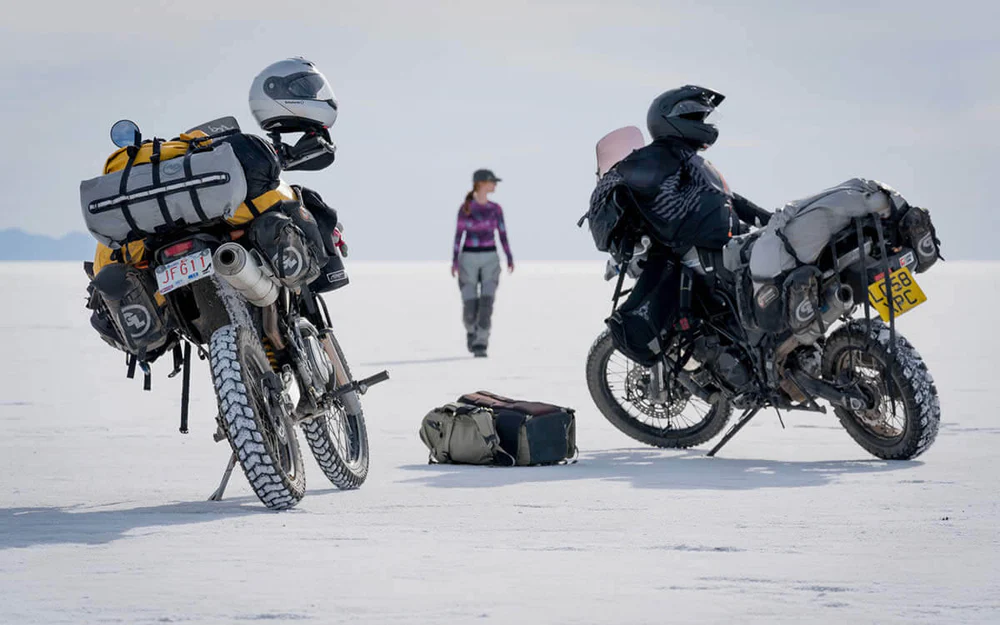
If you’re traveling in a smaller 4x4 or even a dual-sport motorcycle, the "rack" itself is often the enemy. Traditional metal pannier racks and heavy mounting hardware can add 20 to 30 lbs of dead weight before you’ve even attached a bag.
We recommend moving toward rackless systems like the Giant Loop Great Basin (68L). By using the vehicle's own body and seat as the support structure, these systems eliminate the need for heavy steel tubing. The Great Basin weighs only 6 lbs, yet it can eliminate up to 25 lbs of dead weight compared to traditional metal pannier racks. It’s a masterclass in shedding the avoirdupois of expedition travel.
3. Lightweight Power and Electronics
In the past, a dual-battery system meant mounting a second 60-lb Lead-Acid or AGM battery under the hood. Today, that is simply inefficient. The transition to Lithium Iron Phosphate (LiFePO4) is perhaps the most effective "pounds-per-dollar" weight-saving upgrade you can make.
A 100Ah LiFePO4 battery weighs about 25–30 lbs, whereas a comparable AGM battery weighs 65–70 lbs. You effectively double your usable energy capacity while cutting the weight in half. To maintain these systems, we suggest consolidating heavy hard-mounted chargers into multi-functional units like the Victron Blue Smart or OHRIJA models, which provide high-efficiency charging in a compact, lightweight footprint.

Compact Recovery and Maintenance Tools
Recovery gear is notoriously heavy. A "full" tool kit with cast-iron jacks, steel shovels, and heavy onboard air compressors can easily add 100 lbs to your payload. However, modern engineering has given us lighter ways to get unstuck.
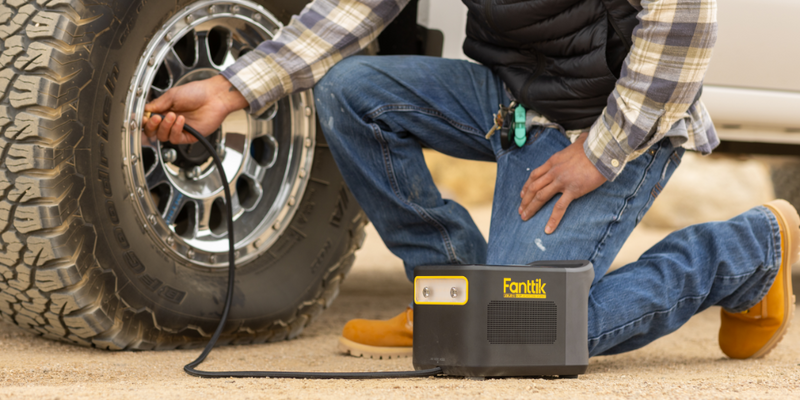
Instead of a heavy, hard-mounted onboard air system that requires wiring and mounting brackets, consider portable digital tire inflators like the Fanttik series. These compact units are powerful enough to air up 35-inch tires but weigh a fraction of a traditional twin-compressor setup, saving roughly 10–15 lbs of payload.
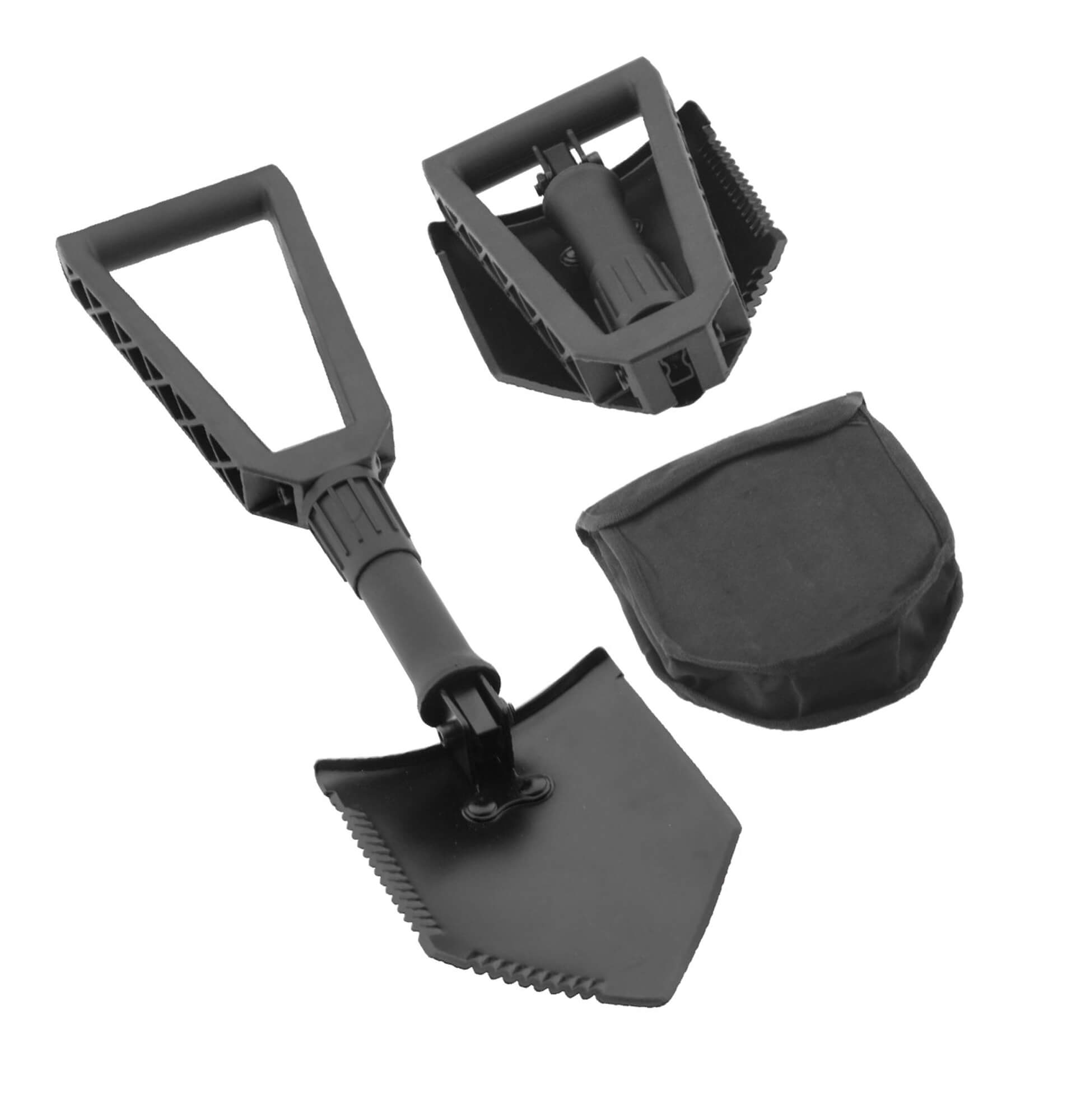
Similarly, look at your "dirty" tools. A full-size D-handle shovel is great for the garden, but on the trail, it's bulky and heavy. Collapsible hardware like the Smittybilt Recovery Utility Tool (E-tool) provides the necessary leverage for recovery and fire-pit management but folds down to a size and weight that is negligible.
Dynamic Stability and Center of Mass
Reducing weight is only half the battle; the other half is where you place the remaining weight. The "tipping moment" of a vehicle is determined by how high the center of mass sits. We always advocate for the "heavy low, light high" rule.
If you must carry heavy items like recovery boards or extra fuel, try to mount them as low as possible. Using T-slot compatible bed covers, such as the RetraxONE XR, allows you to mount storage systems closer to the bed floor rather than on a high over-landing rack. This keeps the weight between the wheel wells, preserving your vehicle's factory handling characteristics.
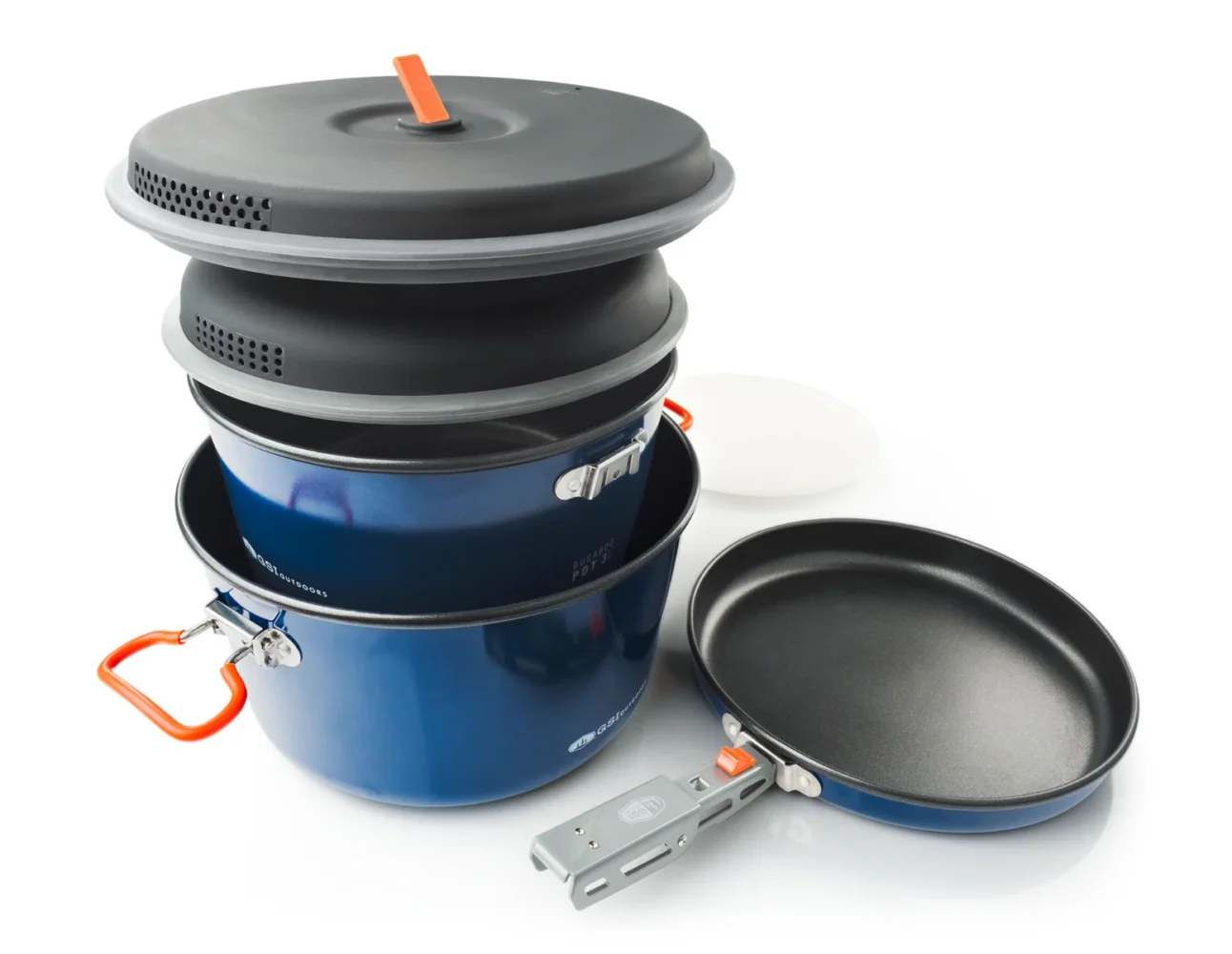
Even the smallest items contribute to the cumulative payload. Your kitchen setup is a prime example. Swapping out a heavy cast-iron skillet for a nesting ceramic-coated aluminum set provides the same cooking utility without the massive weight penalty.
FAQ
Q: If I'm over my GVWR, can I just upgrade my suspension to fix it? A: No. While heavy-duty springs and shocks will help the vehicle sit level and "handle" the weight better, they do not increase the legal GVWR. Your brakes, axles, and frame are still under the same stress, and you are still technically operating the vehicle outside of its engineered safety limits.
Q: Is carbon fiber durable enough for off-road use? A: Absolutely. Modern carbon-fiber composites used in gear like the Inspired Overland RTT are engineered for high impact resistance. While they are lighter, they are often stiffer and more resilient than the thin-gauge aluminum used in cheaper hard-shell tents.
Q: How do I know my current weight without a professional scale? A: The best way is to visit a local "CAT Scale" (found at most truck stops). Weigh your vehicle with a full tank of gas and all your standard gear. Compare that number to the GVWR sticker inside your driver-side door jamb. The difference is your remaining "buffer" for passengers and food.
Conclusion
Lightening the load isn't about sacrifice; it’s about refinement. By choosing ultralight accessories—from carbon-fiber tents to rackless luggage and lithium power—we aren't just staying under a legal limit. We are reclaiming the agility, safety, and joy of driving a well-balanced machine.
Next time you’re prepping for a trip, do a "payload audit." Look at every item and ask if there’s a lighter way to achieve the same goal. Your suspension, your brakes, and your fuel budget will thank you when you’re deep in the backcountry.