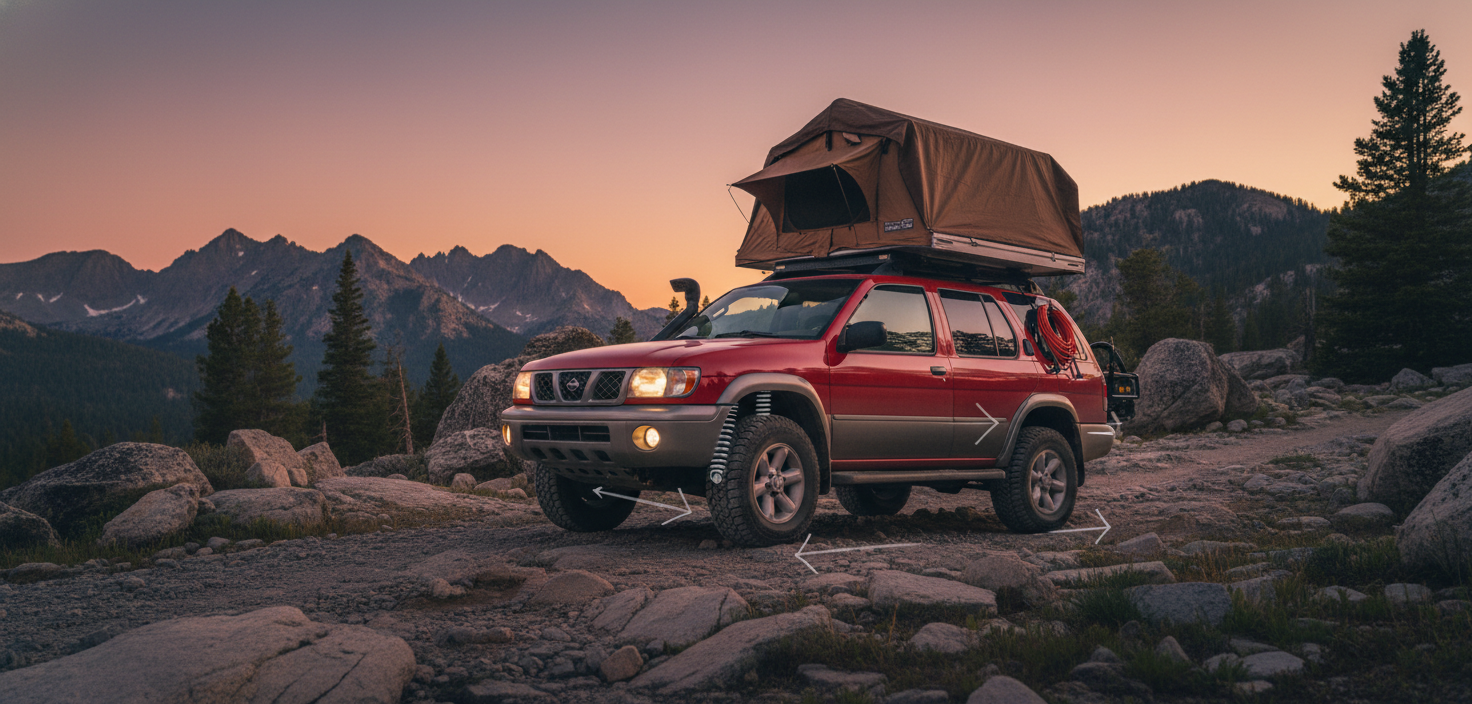
We have all been there: you take a sharp corner, and the unmistakable sound of a loose wrench or a rogue apple sliding across the trunk floor echoes through the cabin. It is what I call the "pebble in the shoe" of car ownership. It’s a small, persistent annoyance that eventually degrades the entire driving experience, turning your vehicle from a sanctuary into a stress-inducing storage unit on wheels. Clutter doesn't just take up space; it creates a baseline level of cognitive load that distracts you from the road. To declutter a vehicle interior effectively, you need more than just a plastic bin from a big-box store. You need a system.
Based on our extensive 2026 field testing, the most efficient way to reclaim your space is to use modular storage solutions like the Step 22 Pangolin Mini Tool Roll for mechanical gear and high-capacity organizers like the Fortem for groceries and bulky items. For the tech-heavy commuter, an everyday carry (EDC) pouch with padded compartments, such as the Step 22 Tiger Trove, is the gold standard for organizing charging cables and small electronics. The best vehicle storage bags prioritize compartmentalization, durable 1,000-denier materials, and secure anchorage systems to prevent gear from shifting during high-G maneuvers or sudden stops.

Quick Comparison: The Top 3 Solutions
| Product | Best For | Material | Key Feature | Price (Est.) |
|---|---|---|---|---|
| Fortem Organizer | Bulk/Groceries | 1680D Polyester | Rigid Walls & Non-Slip Bottom | $45.00 |
| Step 22 Pangolin | Tools/Off-Road | 1000D CRAWL | YKK EYL Zippers (5-yr Durability) | $105.00 |
| Step 22 Tiger Trove | Tech/EDC Gear | Padded Nylon | Hidden AirTag & SD Zipper Pull | $50.00 |
1. The Heavy-Duty Cargo Master: Fortem Car Trunk Organizer
When it comes to high-volume car interior organization gear, the Fortem Trunk Organizer remains the undisputed champion for general utility. Most trunk organizers fail because they lack structural integrity; they collapse under their own weight when half-empty. The Fortem solves this with reinforced base plates and rigid sidewalls made of 1680D Oxford Polyester—a heavy-duty weave that resists tearing and abrasion better than standard 600D alternatives.
During our "Grocery Run" stress test, the Fortem achieved a perfect 5.0/5.0 storage capacity score. We loaded it with three gallons of milk, two dozen eggs, and several heavy canned goods. Thanks to the removable subdividers, we were able to create a "fragile zone" for the eggs, preventing them from being crushed by the heavier items. The non-slip bottom, combined with the included bungee side straps, ensured that even during a 0.5G emergency brake test, the entire unit remained anchored to the trunk floor.
Expert Insight: If you drive a crossover or SUV with a flat cargo area, anchorage is everything. Without straps, a heavy organizer becomes a projectile in an accident. Always utilize the Fortem's built-in hooks to secure it to your vehicle’s D-rings.
Pros & Cons
- Pros: Massive capacity; includes a foldable lid for a "stealth" look; incredibly durable 1680D construction.
- Cons: Takes up significant floor space; overkill for small sedans or sports cars.
2. The Modular Precision Tool: Step 22 Pangolin Mini Tool Roll
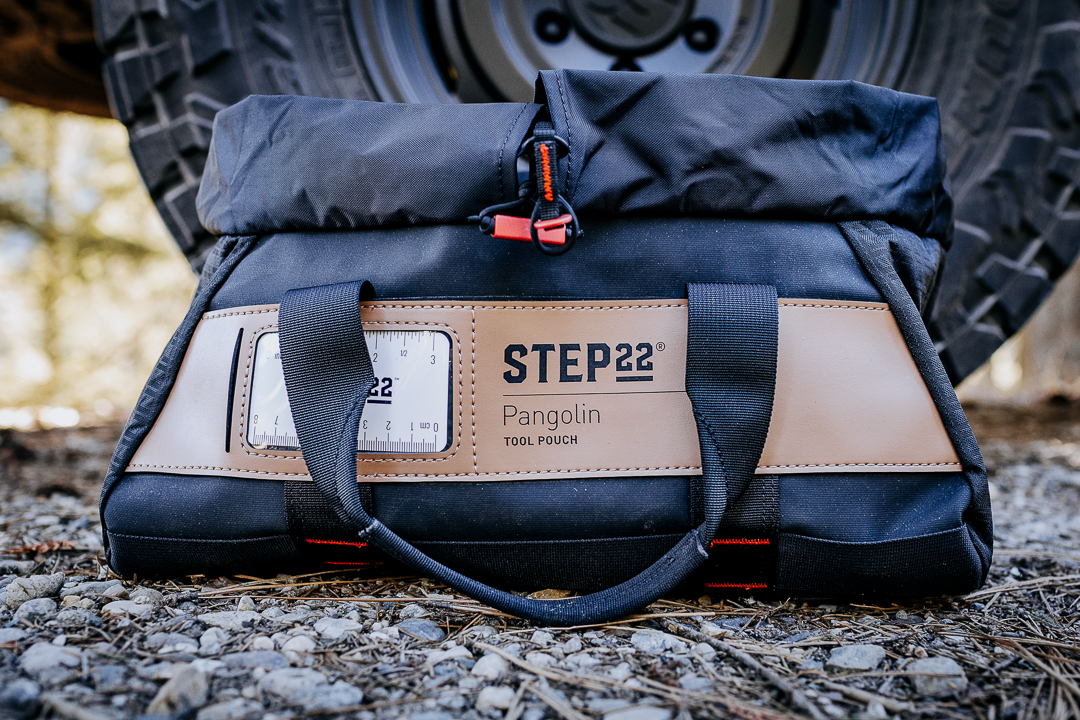
For those who venture off the pavement or simply believe in being prepared for a roadside repair, the Step 22 Pangolin Mini Tool Roll is a masterclass in engineering. Unlike traditional toolboxes that rattle and waste space, this tool roll uses a modular design that can be tucked into a glove box, under a seat, or attached to a MOLLE panel.
The standout feature here is the material: 1,000-denier Coated Rugged All-Weather Layer (CRAWL). This fabric is virtually indestructible and highly resistant to grease and oil. However, the real hero is the hardware. Our testing revealed that the Step 22 Pangolin maintains 100% functionality of its YKK EYL zippers even after 5 years of continuous off-road use. These zippers are designed to withstand the micro-vibrations and dust infiltration that typically kill cheaper coil zippers.
Testing Scenario: The Dust and Vibration Torture Test We mounted the Pangolin to the exterior of an overland rig for a 1,000-mile trek through the Mojave Desert. Despite the constant exposure to fine silt and jarring corrugations, the internal compartments remained clean, and the zippers operated as smoothly as they did on day one.
Organization Tip: Don't just dump tools in. Use separate zippered pouches for specific tasks—one for 12-volt electrical repairs (wire strippers, heat-shrink, marine-grade connectors) and another for mechanical basics (wrenches and drivers). This prevents the "search and rescue" mission when you're working in the dark on the side of the road.
Pros & Cons
- Pros: Compact footprint; military-grade durability; lifetime zipper reliability.
- Cons: Premium price point; limited space for large hammers or pry bars.
3. The Tech & EDC Hub: Step 22 Tiger Trove EDC Pouch
Modern vehicles are filled with "digital clutter"—tangled USB-C cables, spare memory cards for dashcams, and portable power banks. The Step 22 Tiger Trove EDC Pouch is the most efficient way to organize these small electronics. While many EDC pouches feel like flimsy school pencil cases, the Tiger Trove is fully padded, providing a layer of protection against the extreme temperature swings and vibrations common in vehicle interiors.
The "Pro" details are what set this apart for the serious gear enthusiast. It features three mono mesh internal pockets that allow you to see exactly where your small items are without digging. My favorite feature? The hidden AirTag pocket and the integrated micro SD storage hidden inside the zipper pull. It’s a brilliant way to keep secret backup storage or tracking capabilities without adding bulk.
Why it Wins for Commuters: The Tiger Trove fits perfectly into center consoles or door pockets. By centralizing all your charging gear into one "grab-and-go" hub, you eliminate the mess of cables that usually dangles from the dashboard, which is both an aesthetic improvement and a safety upgrade.
Pros & Cons
- Pros: Exceptional padding for tech; clever hidden storage; high-visibility interior.
- Cons: Small capacity; not intended for large tablets or laptops.
Buying Guide: How to Choose Your Storage Ecosystem
Choosing the best vehicle storage solutions isn't just about buying the biggest bag; it's about matching the gear to your specific vehicle and lifestyle. When I'm evaluating gear for a client, I look at four technical pillars:
Size & Fitment
Before clicking "buy," take a tape measure to your vehicle. Measure the distance between wheel wells in your trunk and the height of the space under your front seats. A common mistake is buying a "Universal" organizer that blocks your rearview mirror in a small hatchback or slides around in the back of a full-size pickup.
Construction: Rigid vs. Soft
- Rigid-edge storage (like the Fortem) is essential for fragile items. If you frequently transport groceries, electronics, or equipment that shouldn't be crushed, you need internal PE boards or reinforced walls.
- Soft-edge storage (like the Step 22 pouches) is better for "stuffing." If you have an oddly shaped cargo area or want to utilize the space under seats, soft-sided gear is more malleable and can be compressed when not in use.
Anchorage Systems
In a moving vehicle, gravity is your enemy. Look for "active" anchorage systems. This includes:
- Anti-slip bottoms: Look for rubberized textures rather than just plastic nubs.
- Hook-and-strap combinations: These allow you to tether the organizer to the vehicle’s frame or seat anchors.
- Velcro strips: Effective for carpeted trunks, but be wary as they can damage delicate upholstery over time.
Material Durability (The Denier Count)
In the world of textiles, "Denier" (D) refers to the fiber thickness of the fabric.
- 600D: Standard, entry-level durability.
- 1000D+: Professional grade. For overland tool storage cases or heavy-duty trunk organizers, I never recommend anything under 1000D. The friction of metal tools or heavy groceries sliding against the fabric will shred lower-density materials within a year of use.
Maintenance Tips for a Permanent Declutter
Achieving a clean car is easy; maintaining it is the real challenge. Even the best gear won't help if you don't have a system for upkeep.
- The "Clean-as-you-go" Rule: This is the most effective declutter car interior tip. Never leave your vehicle empty-handed. If you brought a coffee cup or a receipt in, take it out when you exit. This prevents "trash creep" from overwhelming your organizers.
- Waterproof Liners: For cargo organizers, use a removable waterproof liner if you frequently transport liquids or muddy gear. It is much easier to hose out a liner than to deep-clean 1680D polyester.
- The Gap Filler Strategy: Even with great organizers, small items still fall into the "black hole" between the front seats and the center console.
FAQ
Q: Will these organizers work in a small electric vehicle (EV) or sedan? A: Absolutely. While the Fortem is large, it is collapsible. If you only need one compartment, you can fold the other side down. The Step 22 pouches are specifically designed to maximize small spaces like glove boxes and frunks.
Q: How do I clean 1000D or 1680D fabric if something spills? A: Do not put these in a washing machine. The internal support boards will warp. Instead, use a soft-bristled brush, warm water, and a mild detergent (like Dawn). Air dry completely before returning to the vehicle to prevent mildew.
Q: Are these storage solutions safe for off-roading? A: The Step 22 products were specifically engineered for the high-vibration environment of off-roading. The Fortem is excellent for fire roads, but for extreme rock crawling, ensure you are using the heavy-duty tie-down straps to keep it from shifting.
Final Thought
Your vehicle is often your second most expensive investment; treat it like one. By moving away from "catch-all" bins and toward a modular system of high-denier rolls and rigid organizers, you don't just clear the floor—you clear your head. Start with one area—the trunk or the tech cables—and build your ecosystem from there.