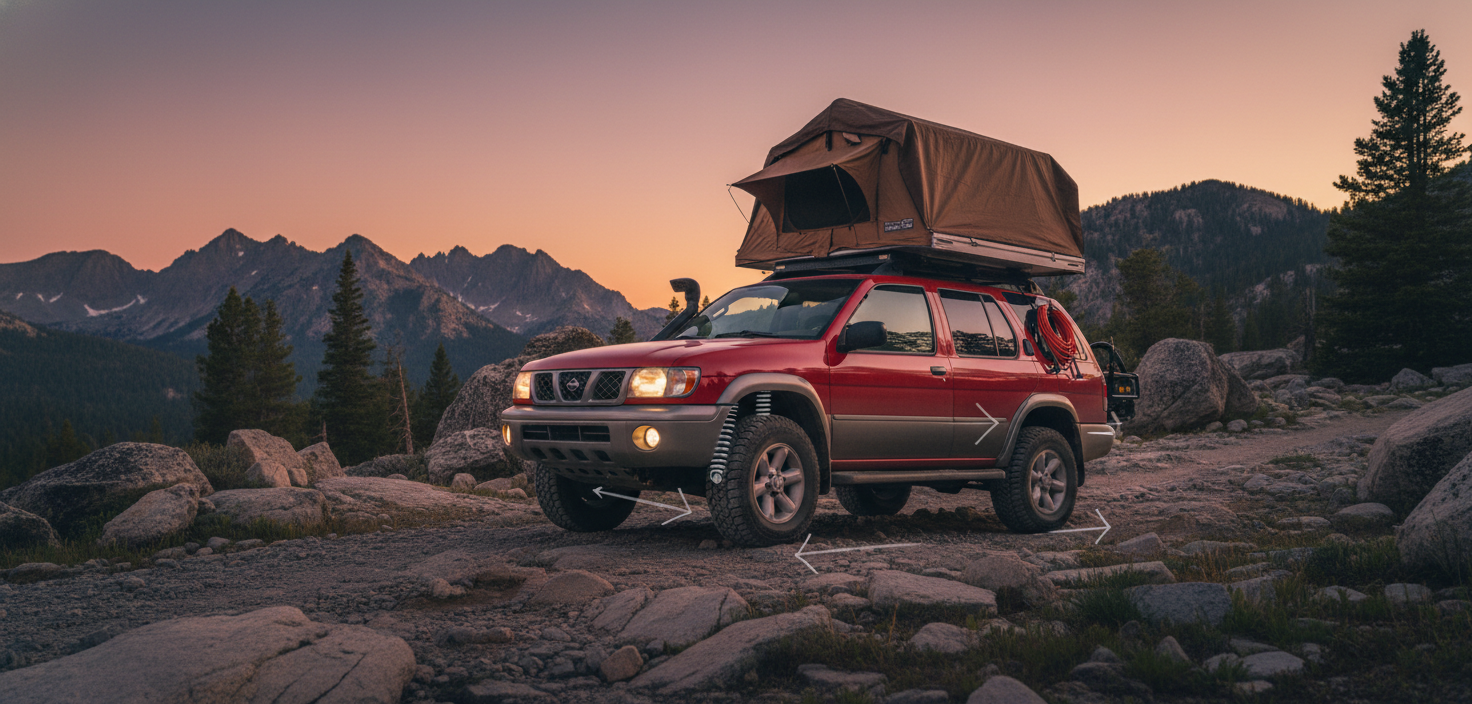
There is a specific kind of magic in Southern California that allows you to wake up to the sound of breaking waves and, less than two hours later, find yourself surrounded by towering pines and sun-bleached granite. The transition from the humid salt air of the coast to the thin, crisp atmosphere of the San Jacinto Mountains is more than just a scenic drive; it is a brutal laboratory for automotive equipment. Within a 120-minute window, we experienced a vertical elevation gain of over 5,300 feet, reaching the Idyllwild backcountry where the thermometer dropped as fast as the oxygen levels.
Our mission was clear: to put the Hankook Dynapro lineup to the ultimate real-world test. We brought along two distinct vehicles to match two distinct tires—the Hankook Dynapro XT (Rugged Terrain) and the Dynapro MT2 (Mud Terrain). Whether navigating the technical shelf roads of Pine Cove or crawling over the decomposing granite that defines the San Jacinto range, we wanted to see if these tires could truly bridge the gap between daily drivability and extreme off-road capability.

The Contenders: Understanding the XT vs. MT2
Before we aired down, we had to address the most common question in the off-road community: What is the difference between the Hankook Dynapro XT and MT2?
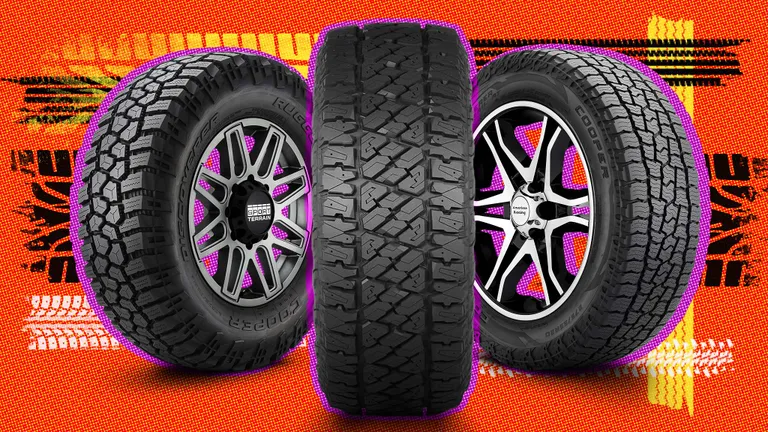
The Dynapro XT is what the industry calls a "Rugged-Terrain" tire. It is designed to be the bridge between a traditional All-Terrain (AT) and a full-blown Mud-Terrain (MT). With 30 North American sizes available, it’s built for the driver who wants a quiet ride on the 405 freeway but needs the "Sawtooth" sidewall protection for weekend escapes into the Idyllwild backcountry. It features a Three-Peak Mountain Snowflake (3PMSF) rating, making it a legal and capable companion for winter mountain passes.
The Dynapro MT2, on the other hand, is a specialized powerhouse. This is a dedicated Mud-Terrain tire engineered for maximum traction in the most "aggressive" environments—think deep mud, jagged rock slabs, and technical shelf roads. It utilizes a high-void tread pattern and "Mud-Phobic" bars to shed debris, ensuring that every rotation finds fresh grip.
| Feature | Dynapro XT (Rugged Terrain) | Dynapro MT2 (Mud Terrain) |
|---|---|---|
| Primary Terrain | Mixed: Highway, Sand, Light Rock | Extreme: Mud, Deep Sand, Rock Crawling |
| On-Road Noise | Low (Optimized Pitch Variation) | Moderate (Aggressive Tread) |
| Winter Rating | 3PMSF Certified | Not 3PMSF Certified |
| Key Tech | Zig-zag grooves & V-shaped sipes | Stone ejectors & Mud-phobic bars |
| Best For | Daily drivers & Overlanders | Technical trail rigs & Rock crawlers |
Navigating the Idyllwild Backcountry
The San Jacinto Mountains offer a unique challenge: decomposing granite. This "DG" behaves differently than the slick rock of Moab or the deep mud of the Pacific Northwest. It is essentially a layer of tiny, sun-bleached ball bearings resting on top of hard-packed earth. Traction is elusive, and the sharp edges of the granite slabs are notorious for slicing through inferior sidewalls.
For this journey, we split our team into two camps:
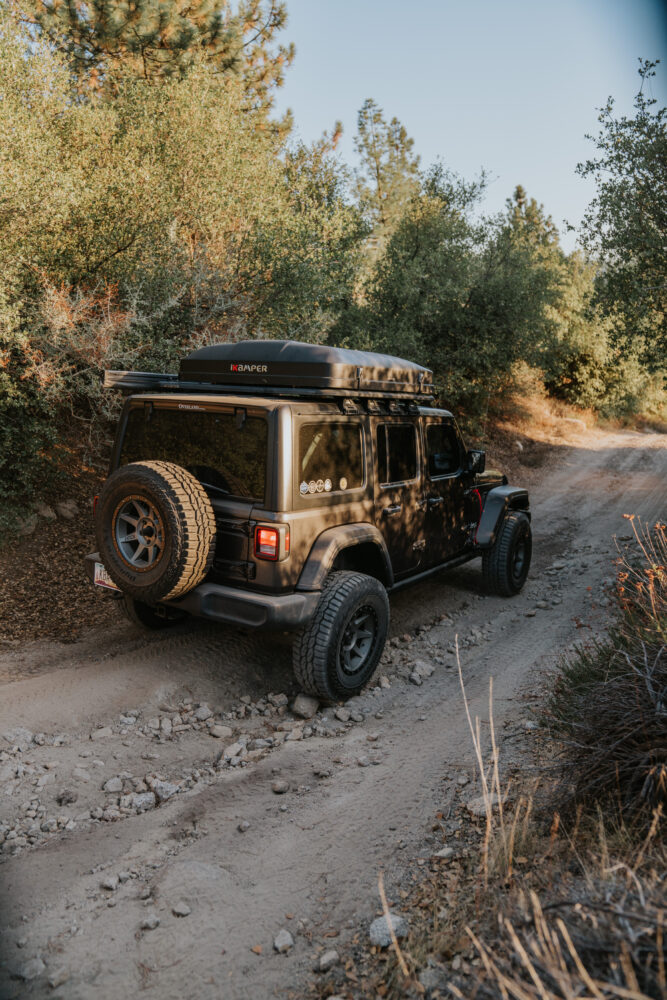
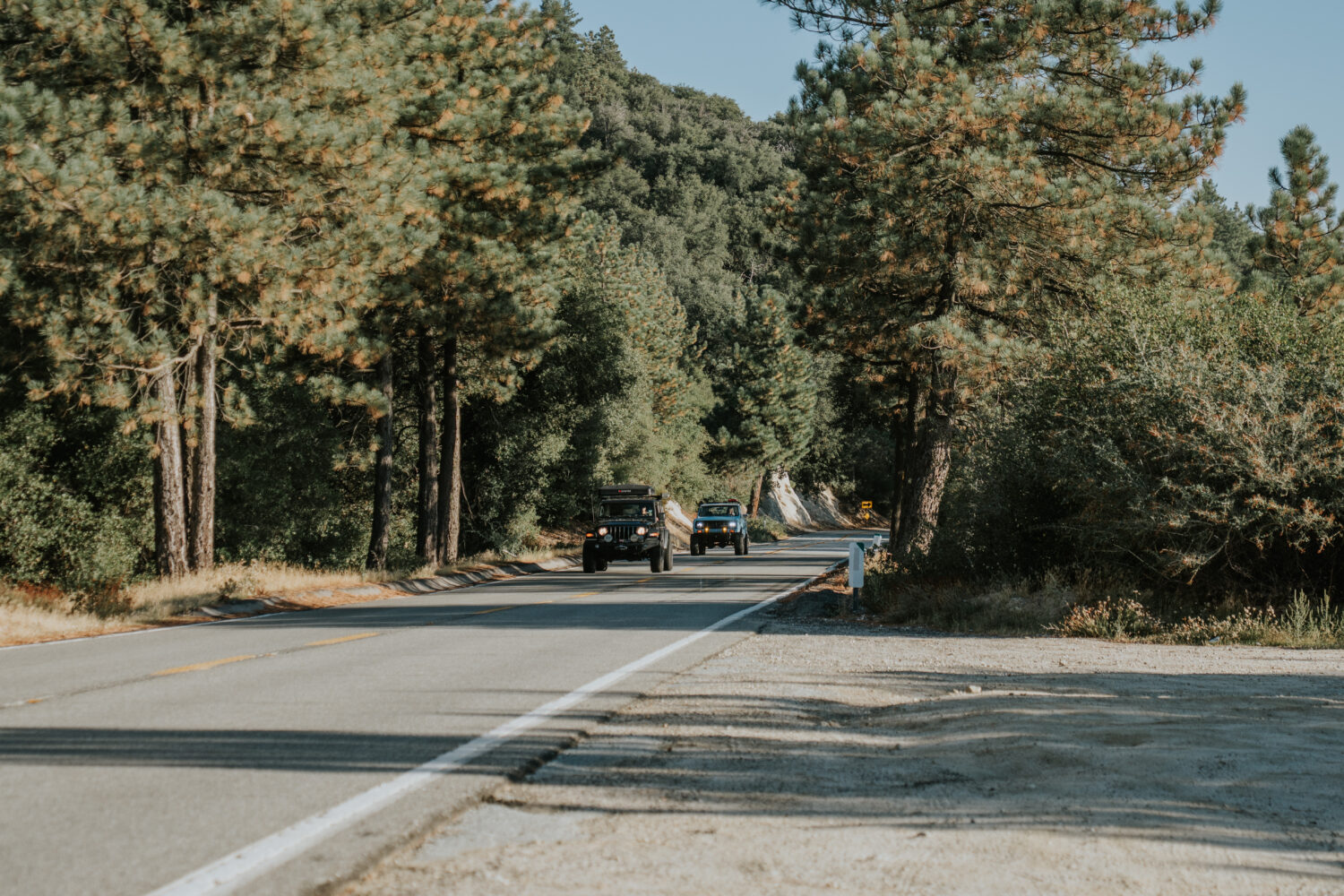
- The 2018 Jeep Wrangler JLU, outfitted with the Dynapro XT. This setup represented the modern overlander—a vehicle that needs to remain civilized for the commute from Orange County but capable enough for the "Black Mountain" fire lookouts.
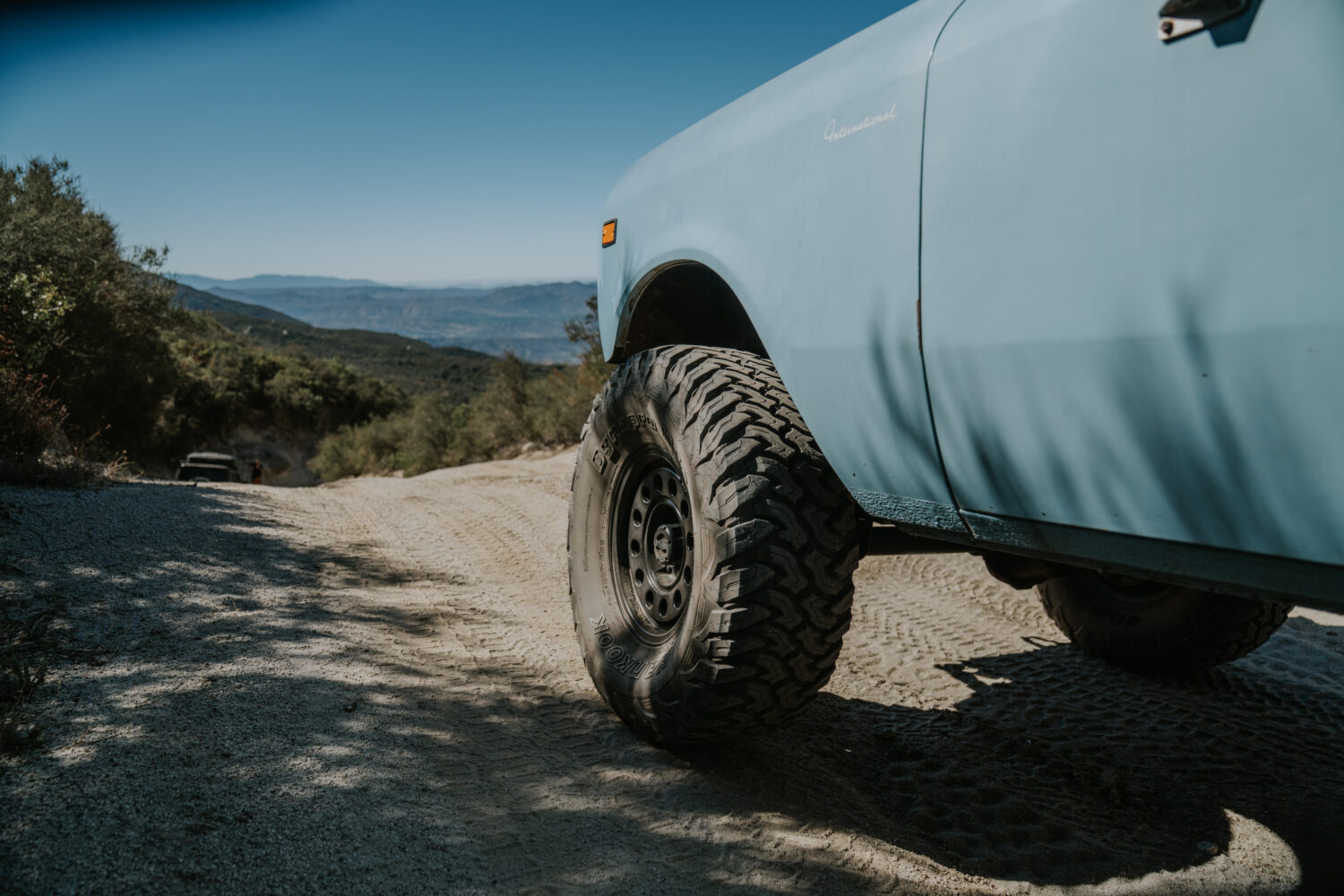
- The 1968 International Scout, shod in the Dynapro MT2. This vintage beast was our designated "point person" for the technical sections, relying on the MT2’s aggressive lugs to handle the steep inclines and shelf roads that define the region.
As we moved through the sandy pockets of the lower trails, the importance of "airing down" became immediate. Dropping our pressures allowed the tires to wrap around the uneven terrain, increasing the contact patch and significantly improving ride comfort over the corrugated "washboard" sections of the trail.

Performance Breakdown: Rock Slabs and Technical Climbs
As the elevation climbed past 4,500 feet, the trail tightened. The wide fire roads vanished, replaced by narrow shelf roads with vertical drops on one side and jagged granite walls on the other.
The Dynapro XT: The Versatility King
The XT surprised us on the rock slabs. While it lacks the massive voids of the MT2, its zig-zag grooves and V-shaped lateral sipes provided a surprising amount of "bite" on the smooth granite. The "Sawtoothed" sidewall design isn't just for looks; it provided the necessary protection and additional traction when we found ourselves in deep ruts. For the Southern California driver who spends 80% of their time on pavement and 20% on these mountain trails, the XT is an incredibly balanced choice.
The Dynapro MT2: The Rock Specialist
When the trail turned into a literal staircase of granite, the MT2 took center stage. The deep tread blocks and advanced stone ejectors are engineered specifically to prevent "stone drilling"—a common issue where small rocks get trapped in the tread and eventually puncture the tire casing. During the 100% off-road portions of our test, the MT2 felt invincible.
Editor's Note: The MT2 features "Sidewall Protection Shields" that wrap from the tread down to the mid-sidewall. On the sharp, sun-bleached edges of the San Jacinto trails, this extra layer of armor is the difference between a successful summit and a tedious trailside tire change.
Durability and Trail Protection
Off-roading in the San Jacinto range is a game of radical temperature and terrain shifts. We started in 75-degree coastal weather and ended in a 40-degree alpine environment. These temperature swings can affect rubber pliability, but Hankook’s compound remained consistent throughout.
One of the standout features we noted during high-speed desert transitions was the Heat Diffuser technology. While we often think of off-road tires as low-speed tools, the drive back down the mountain involves heavy braking and sustained speeds. The XT and MT2 both managed heat buildup exceptionally well, maintaining structural integrity even when pushed on the winding asphalt of Highway 243.
For the MT2, the "Mud-Phobic" bars were a highlight. Even though the San Jacintos are primarily dry granite, we encountered several spring runoff crossings. The tires cleared mud and wet debris almost instantly, ensuring that when we hit the next rock face, the lugs were clean and ready to grip.
The Verdict: Which Tire for Your SoCal Adventure?
After 48 hours in the backcountry, the distinction between these two tires became crystal clear. Choosing the right one depends entirely on your "Mission Profile."
- The Case for the Dynapro XT: If your rig is your daily driver and your weekend adventures involve forest service roads, snowy mountain passes, and desert washes, the XT is the smarter play. It offers the quietness and snow-rating of an AT tire with the aggressive look and durability of an MT.
- The Case for the Dynapro MT2: If you are building a dedicated trail rig or frequently find yourself on technical rock crawls where sidewall punctures are a constant threat, the MT2 is non-negotiable. Its ability to find traction in low-speed, high-stress situations is world-class.
The San Jacinto Mountains are a beautiful but unforgiving landscape. Whether you choose the versatile XT or the hardcore MT2, both tires proved they have the engineering pedigree to handle the "Coast to the Clouds" journey with ease.
FAQ
Q: How does the Hankook Dynapro MT2 perform in rocky terrain? A: The MT2 is exceptionally capable in rocks. It features deep tread blocks and sidewall protection shields that provide excellent grip on granite slabs and prevent punctures from sharp rock edges. The built-in stone ejectors also help maintain traction by preventing debris from clogging the tread.
Q: Is the Dynapro XT good for snow and ice? A: Yes. The Dynapro XT is Three-Peak Mountain Snowflake (3PMSF) rated, meaning it meets the industry requirements for severe snow service. Its zig-zag grooves and specialized siping make it a far better choice for winter mountain driving than the MT2.
Q: Which tire is quieter on the highway? A: The Dynapro XT is significantly quieter. It uses an optimized pitch variation technology to reduce road hum, making it much more comfortable for long highway stretches compared to the more aggressive, louder tread of the MT2.