For exactly three decades, the Subaru Outback has occupied a peculiar, highly profitable corner of the American automotive landscape. Born as a raised Legacy station wagon with some plastic cladding and a dream, it has evolved into a cultural icon for the "green thumbs and muddy paws" demographic. However, the arrival of the 2026 Subaru Outback brings with it a fascinating existential question: at what point does a station wagon stop being a wagon and officially become an SUV?
While Subaru technically still classifies the 2026 Outback as a station wagon, the redesign pushes the envelope further than ever toward the mid-size crossover SUV segment. With its new boxy exterior, a standard 8.7-inch ground clearance, and a curb weight pushing nearly 4,000 pounds, the Outback is no longer just a "car with boots on." It is now a direct, and often more affordable, competitor to heavyweights like the Honda Passport and Toyota 4Runner.
Whether you’re a lifelong Subie enthusiast or a cross-shopper looking for a rugged family hauler, the 2026 redesign offers significant upgrades that address long-standing complaints, specifically regarding technology and ergonomics.
Exterior Design: Boxier, Bigger, and Bolder
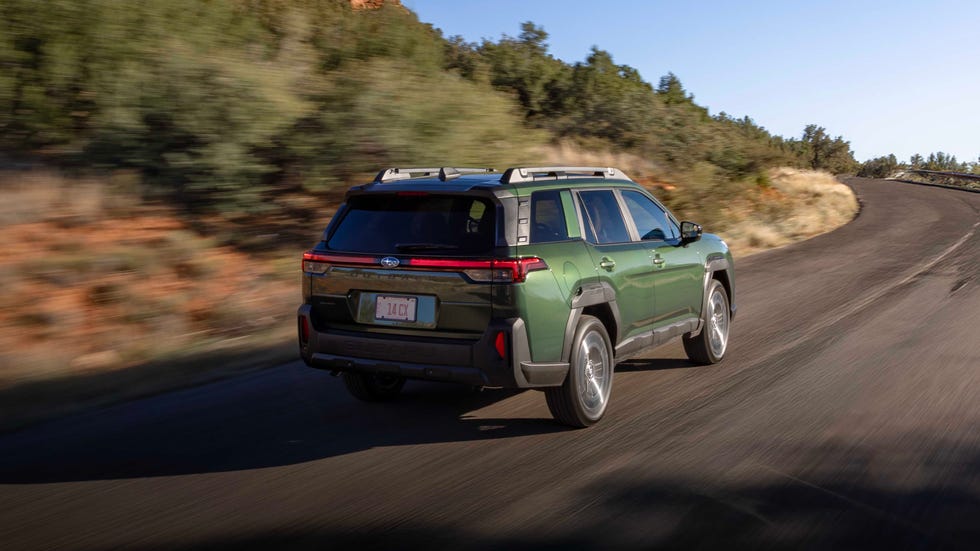
The most striking change for 2026 is the silhouette. For years, the Outback maintained a somewhat sleek, elongated profile that betrayed its station wagon roots. The 2026 model, however, embraces a more vertical, "boxy" aesthetic. The front end is dominated by a larger, open-mouth radiator grille and more aggressive LED housing, while the rear features a squared-off hatch that maximizes vertical space.
This isn't just a styling exercise; it’s a statement of intent. The 8.7 inches of ground clearance (which jumps to 9.5 inches on the Wilderness trim) remains the gold standard for the class, allowing it to clear obstacles that would leave most "soft-roaders" stranded. Yet, because it maintains a slightly lower roofline than a traditional body-on-frame SUV, loading kayaks or mountain bikes onto the roof racks remains significantly easier than struggling with the height of a Chevy Tahoe or even a Honda Pilot.
Performance: Boxer Engines and the CVT Dilemma
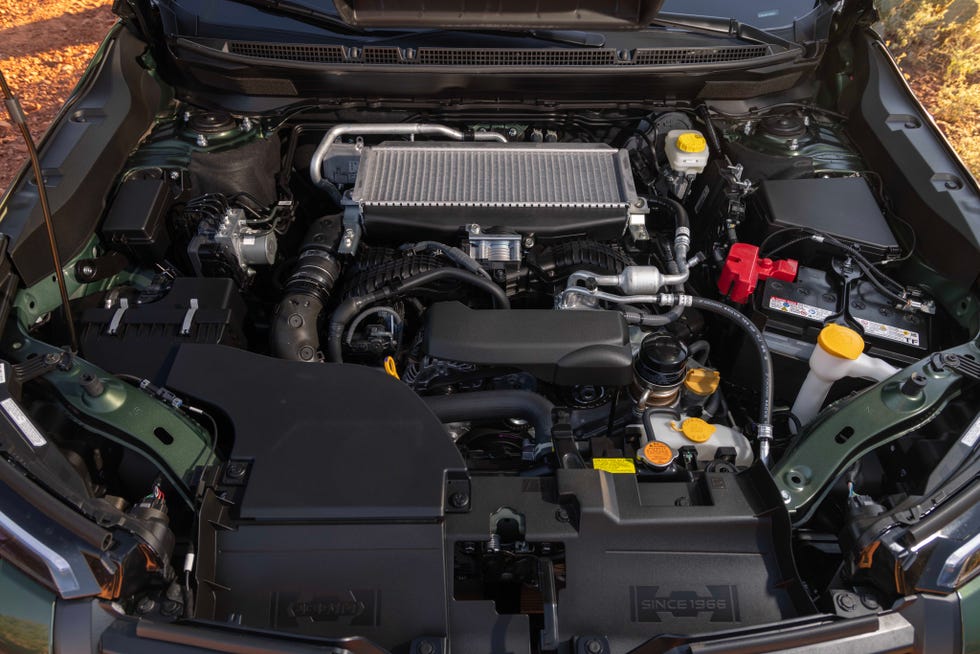
Under the hood, the 2026 Outback offers two familiar but refined powertrain options. The "Which engine should I get?" debate remains central to the buying experience.
| Feature | Standard 2.5L Flat-Four | 2.4L Turbocharged (XT) |
|---|---|---|
| Horsepower | 180 hp | 260 hp |
| Torque | 176 lb-ft | 277 lb-ft |
| Towing Capacity | 2,700 lbs | 3,500 lbs |
| Fuel Economy (Est. Combined) | 28 MPG | 25 MPG |
| Best For | Coastal commuting, budget-conscious buyers | Mountain passes, heavy loading, highway merging |
The driving dynamics of the 2026 model continue the Outback’s tradition of a "smooth but slightly floaty" ride. Because the engine sits low in the chassis (a benefit of the horizontally opposed "Boxer" design), the center of gravity is lower than in a Toyota 4Runner. This results in less "tippy" feeling in the corners. However, the suspension is tuned for comfort and compliance over washboard gravel roads, which means you’ll experience some body roll if you try to treat a mountain hairpin like a sports car.
The Continuously Variable Transmission (CVT) remains a point of contention for some. Subaru has programmed "simulated gear shifts" to make it feel more like a traditional automatic, but under heavy acceleration—especially with the base 180-hp engine—you will still hear that characteristic CVT drone. For those living at high altitudes or frequently carrying a full load of camping gear, the 260-hp Turbocharged XT is almost a necessity to avoid feeling underpowered during highway overtakes.
Interior & Tech: The 12.1-Inch Revolution
If there was one Achilles' heel in the previous generation, it was the infotainment system. It was often criticized for being sluggish, prone to glare, and frustratingly reliant on screen-buried menus for simple tasks like adjusting the heated seats.
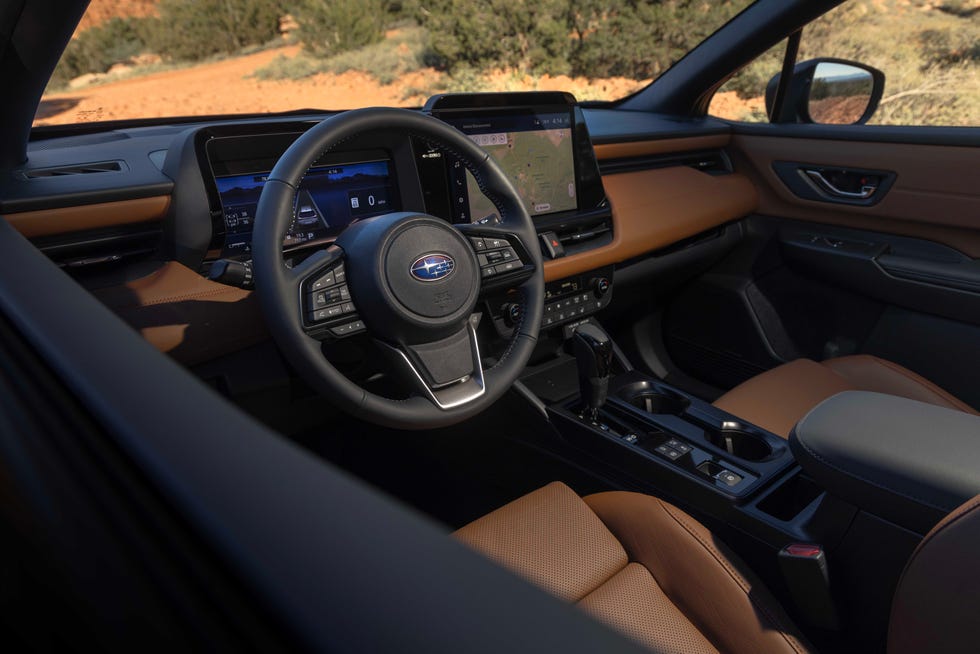
Subaru has swung for the fences with the 2026 interior. The center console is now dominated by an all-new 12.1-inch vertical infotainment system. More importantly, the software has been completely rebuilt for faster response times, and Subaru has finally restored physical buttons for primary climate control functions and volume/tuning knobs. This blend of massive screen real estate and tactile reliability is exactly what the modern driver needs.
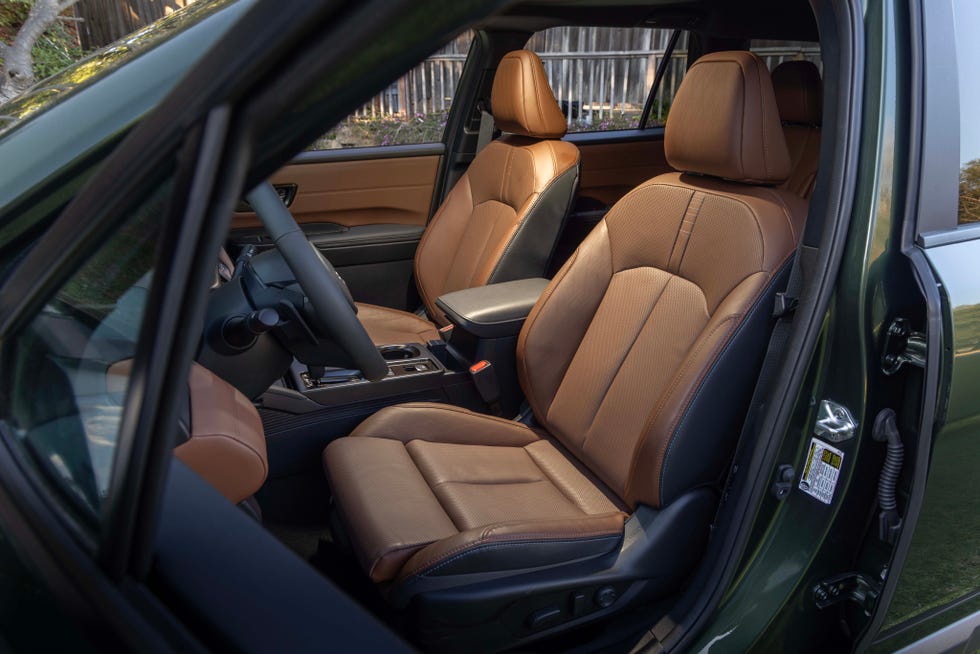
The cabin insulation has also been noticeably improved. Thicker glass and additional sound-deadening material in the wheel wells mean that long-distance road trips are quieter than ever. The seats have been redesigned with better lumbar support, and higher trims now offer a "thigh extender" for the driver’s seat—a godsend for taller drivers on cross-country treks.
Cargo and Practicality: More Than Just Specs
Numbers tell part of the story, but the Outback’s utility is found in the details. The 2026 model provides a maximum total cargo capacity of 80.5 cubic feet, a dedicated increase of 2 cubic feet over the previous generation. While that sounds like a small gain, the redesigned "boxy" rear means the space is more usable for tall items like dog crates or small furniture.
- Behind the 2nd Row: 34.6 cubic feet—plenty for a week’s worth of groceries or a full set of camping gear for four.
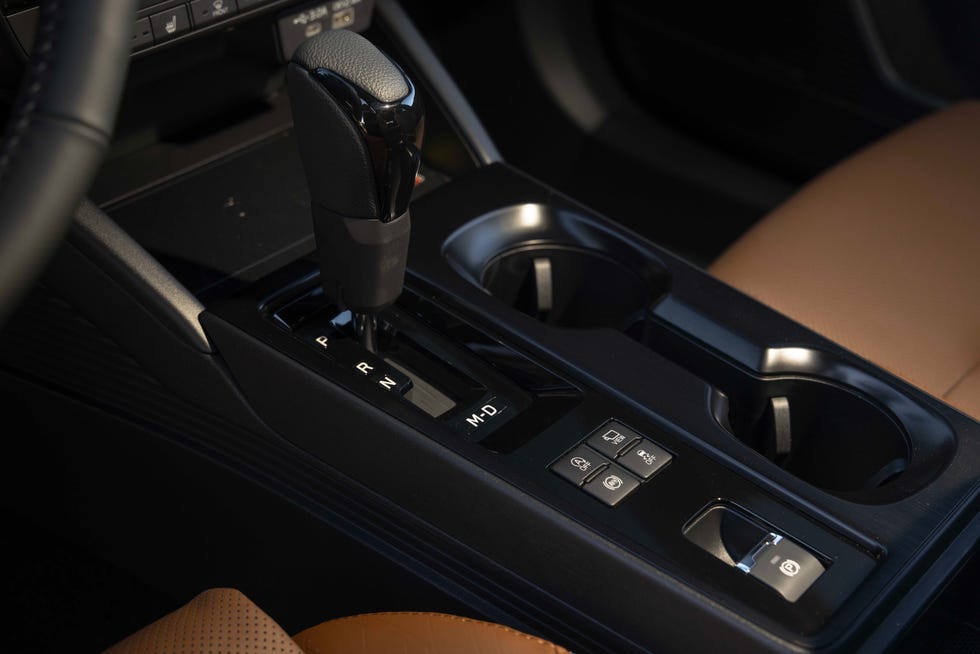
- The "Mug" Factor: Subaru designers clearly use large insulated tumblers. The front cup holders now feature "handle channels" to accommodate coffee mugs with handles, and the wireless charging pad is deep enough that your phone won't fly out during light off-roading.
- The Cargo Cover: In a clever touch of engineering, the retractable cargo cover can be popped up with a simple tap of the elbow, allowing you to load bags even when your hands are full.
Compared to more expensive "lifestyle" SUVs like the Mazda CX-70, the Outback feels less like a luxury statement and more like a tool. It’s designed to be used, hosed out, and filled back up again.
Pricing and Market Competitors: The Value King
Perhaps the strongest argument for the 2026 Subaru Outback is the window sticker. In an era where mid-size SUVs are routinely pushing past the $50,000 mark, the Outback remains remarkably grounded.
With a base price starting at $36,445, the 2026 Outback undercuts major segment competitors like the Honda Passport by approximately $10,000 and the Toyota 4Runner by over $6,000. Even when you step up to the well-equipped Limited XT trim—our recommended "sweet spot" for value—you are still getting a turbocharged, all-wheel-drive vehicle with leather and premium audio for less than the starting price of many rivals.
Price Comparison Chart:
- 2026 Subaru Outback (Base): $36,445
- Toyota 4Runner (Base): ~$43,000+
- Honda Passport (Base): ~$46,000+
- Hyundai Santa Fe (Base): ~$35,000+ (though lacks the same off-road clearance)
The Outback exists in a "Goldilocks" zone. It’s more capable off-road than a Honda CR-V or Toyota RAV4, yet it’s more fuel-efficient and easier to park than a massive three-row SUV like the Subaru Ascent or Honda Pilot.
Verdict: Should You Buy the 2026 Subaru Outback?
The 2026 Subaru Outback is a masterclass in evolution. By leaning into its SUV-adjacent qualities—more cargo room, a boxier look, and better tech—without sacrificing its station wagon DNA (low center of gravity, easy roof access), Subaru has created a vehicle that defies easy categorization.
Highs:
- Exceptional Value: Thousands of dollars cheaper than rivals with similar capabilities.
- Tech Redemption: The 12.1-inch screen and physical buttons are a massive upgrade.
- Go-Anywhere Ground Clearance: More capable than 90% of the crossovers on the market.
- Cargo Flexibility: The 80.5 cu ft capacity is class-leading for its footprint.
Lows:
- Base Engine: The 2.5L feels sluggish during highway merging.
- Driving Feel: The steering is light and the ride is soft, which won't appeal to enthusiasts looking for "sport."
- Identity Shift: Pure wagon enthusiasts might mourn the loss of the sleeker, more "car-like" aesthetics of the past.
If you have "green thumbs and muddy paws"—or if you just need a reliable, safe, and tech-forward vehicle that won't break the bank—the 2026 Outback remains the gold standard. It doesn't matter if you call it a wagon or an SUV; what matters is that it’s probably the most practical vehicle you can buy today.
FAQ
1. Is the 2026 Subaru Outback bigger than the 2025 model? The exterior dimensions remain very similar, but the redesign has increased the total cargo capacity to 80.5 cubic feet (up by 2 cu ft). The most significant "size" change is the perceived height due to the new boxy, vertical design.
2. Did Subaru finally fix the touchscreen issues? Yes. The 2026 model features a new 12.1-inch infotainment system with a much faster processor. Crucially, Subaru has brought back physical buttons for climate control and volume/tuning, addressing the primary complaints of the previous generation.
3. Which 2026 Outback trim is the best value? We recommend the Limited XT. It includes the more powerful 2.4L turbocharged engine, leather-trimmed upholstery, the premium Harman Kardon audio system, and the full suite of EyeSight 4.0 safety tech, all while staying significantly cheaper than competitors from Honda or Toyota.
Editor’s Tip: If you plan on doing serious off-roading, wait for the Wilderness trim. While the standard Outback is capable, the Wilderness adds a front skid plate, 9.5 inches of ground clearance, and Yokohama Geolandar all-terrain tires that make a world of difference on rocky trails.