Quick Facts
- Architecture: Cluster Architecture (CLAR) - technology-agnostic modular platform
- Powertrain Options: Five types (Gasoline, Diesel, Plug-in Hybrid, Battery Electric, Hydrogen Fuel Cell)
- Maximum Output: Up to 717 hp in upcoming high-performance variants
- Electric Range: Projected 525 miles for iX5 BEV variant
- Charging Speed: Up to 460 kW DC for next-generation electric models
- Towing Capacity: Up to 7,200 lbs depending on configuration
- Acceleration: 0-60 mph in 4.6 seconds for the xDrive50e plug-in hybrid
The 2026 BMW X5 engine lineup represents a paradigm shift in automotive engineering. Built on the flexible CLAR platform, the new X5 offers five distinct powertrain options—gasoline, diesel, plug-in hybrid, battery electric, and hydrogen fuel cell—without compromising luxury or performance. This technology-agnostic approach ensures the vehicle can adapt to global automotive regulations while offering consistent driving dynamics regardless of the fuel source.
The MitteKLasse CLAR Architecture: Engineering Flexibility
From a driver’s perspective, the magic of the X5 has always been its ability to mask its mass with Bavarian precision. As we look toward the 2026 models, that mission becomes significantly more complex. BMW is doubling down on its Cluster Architecture, or CLAR platform, which is a universal architecture engineered to accommodate everything from a traditional internal combustion engine to a high-voltage battery pack or a hydrogen fuel-system integration.
This manufacturing flexibility is a strategic masterstroke. By utilizing a single modular chassis, BMW can pivot its production lines in real-time to meet shifting market demand or local emission standards. Whether a customer in Munich needs a diesel or a driver in California wants a battery electric vehicle (BEV), the underlying skeleton remains the same. Crucially for those who use these vehicles for more than just commuting, this engineering approach ensures that interior space, premium luxury, and towing capabilities are not sacrificed when moving from an ICE to an electric setup.
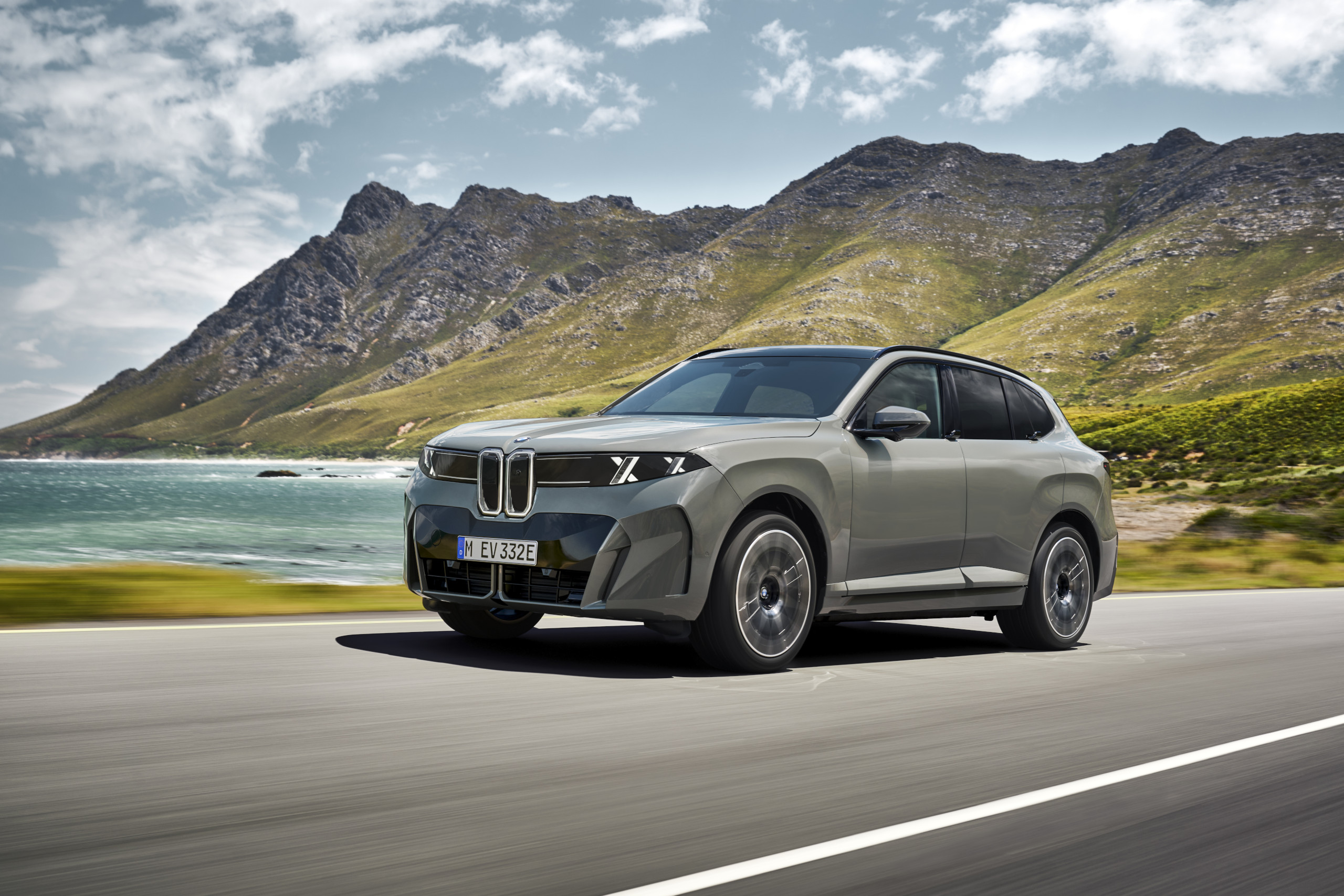
The 2026 BMW X5 engine and architecture strategy also serves as a hedge against regulatory volatility. While some manufacturers have bet solely on a BEV-only future, BMW understands that drivetrain versatility is the only way to maintain its annual sales record on a global scale. In 2024, the brand reached a new high in the United States with 371,346 vehicles delivered, showing that a mix of traditional and 70,379 electrified models is what the market actually demands.
ICE Mastery: The 3.0L Inline-6 and V8 Variants
For the purists, the heart of the BMW experience remains the internal combustion engine. The 2026 lineup continues to refine the 3.0-liter turbocharged inline-six, a 24-valve masterpiece that remains one of the smoothest bmw x5 engine options on the market. In its latest iteration, this 2,998 bmw x5 engine cc unit utilizes a 48V mild hybrid system to sharpen throttle response and smooth out the stop-start transitions. It produces a robust 375 horsepower and 398 lb-ft of torque, providing that classic linear power delivery we have come to expect.
Stepping up to the high-performance M60i introduces the twin-turbo V8. When debating the bmw x5 v8 vs inline 6 engine, the choice comes down to character. The inline-six is sonorous and balanced, while the V8 is authoritative and muscular, delivering 523 horsepower with a soundtrack that reminds you why Munich is the capital of engine building.
The bmw x5 engine specifications for these models are matched with a standard eight-speed Steptronic Sport transmission. In my time behind the wheel, the integration between the 48V motor and the mechanical bmw x5 engine specs feels nearly invisible. The mild hybrid system provides an extra burst of torque off the line, effectively masking any hint of turbo lag and ensuring that the sDrive40i and xDrive40i feel lighter on their feet than their dimensions suggest.
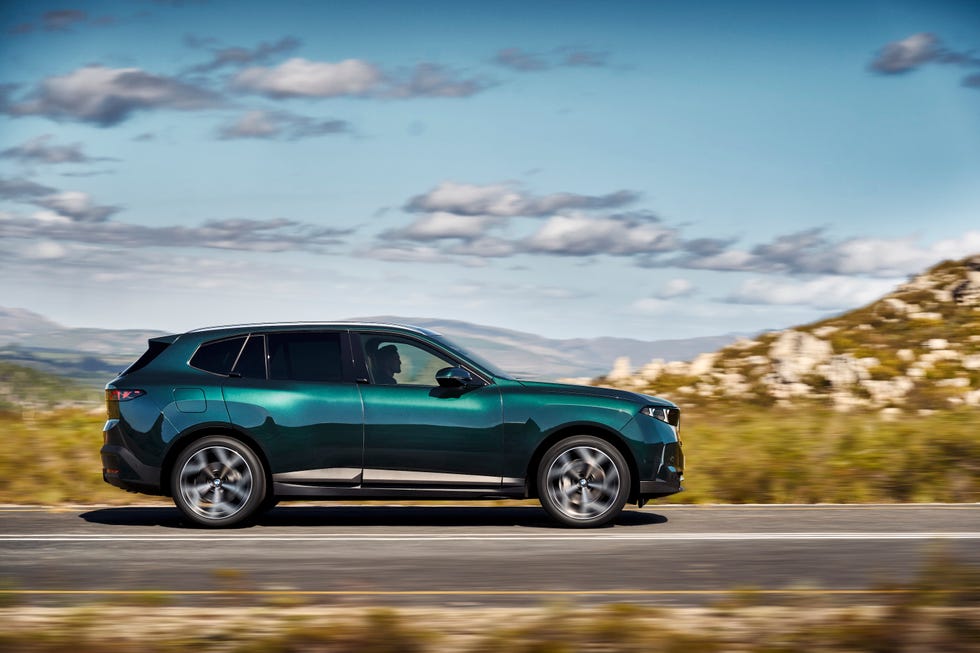
Electrified Performance: PHEV and the iX5 BEV
The xDrive50e plug-in hybrid is perhaps the most impressive example of how the CLAR platform balances competing needs. This powertrain combines the 3.0-liter inline-six with a powerful electric motor integrated into the transmission housing. The result is a bmw x5 plug-in hybrid engine performance that rivals many dedicated sports cars. It delivers a combined output of 483 horsepower and 516 lb-ft of torque, enabling a sprint from 0 to 60 mph in just 4.6 seconds.
For those looking to move away from liquid fuels entirely, the 2026 cycle brings the iX5 BEV into sharper focus. This isn't just an X5 with the engine removed; it is a ground-up rethink of the bmw x5 electric powertrain range and specs. By utilizing the same CLAR bones, BMW is able to tuck a massive battery pack low in the chassis, actually improving the center of gravity. Preliminary targets suggest a range of up to 525 miles and a revolutionary 460 kW DC charging capability, which would significantly reduce the downtime associated with long-distance electric travel.
The challenge for the engineers was maintaining the "Ultimate Driving Machine" DNA while managing the additional mass of a battery. Through active roll stabilization and revised damper tuning, the electrified bmw x5 powertrain options managed to feel remarkably composed during high-speed cornering, proving that weight doesn't have to be the enemy of engagement.
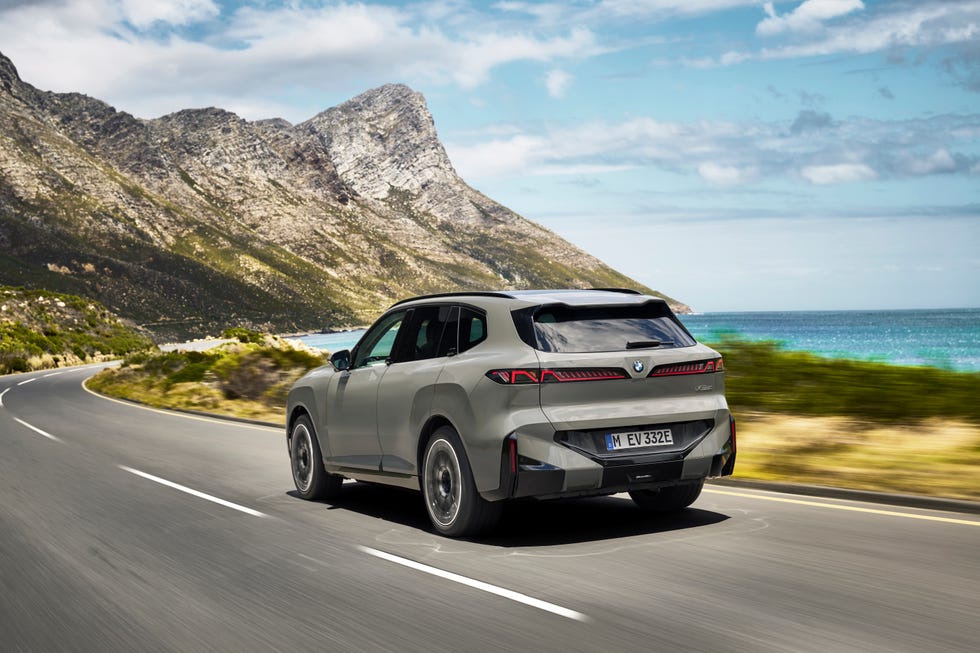
The Hydrogen Frontier: iX5 Hydrogen Specs
Perhaps the most forward-thinking element of the new architecture is the bmw x5 hydrogen fuel cell architecture. BMW remains one of the few luxury manufacturers committed to hydrogen as a viable alternative for the SUV segment. The iX5 Hydrogen utilizes fuel cell technology to convert hydrogen into electricity, powering an electric motor similar to the BEV version.
The advantage here is twofold: refueling speed and cold-weather performance. While even the fastest chargers take 20-30 minutes, a hydrogen tank can be filled in under four minutes. Furthermore, fuel cells don't suffer the same range degradation in freezing temperatures that plague traditional batteries. The integration of this system into the CLAR chassis illustrates the extreme adaptability of the platform. Although fueling infrastructure remains a hurdle in many regions, BMW’s investment ensures market adaptability as global energy policies evolve.
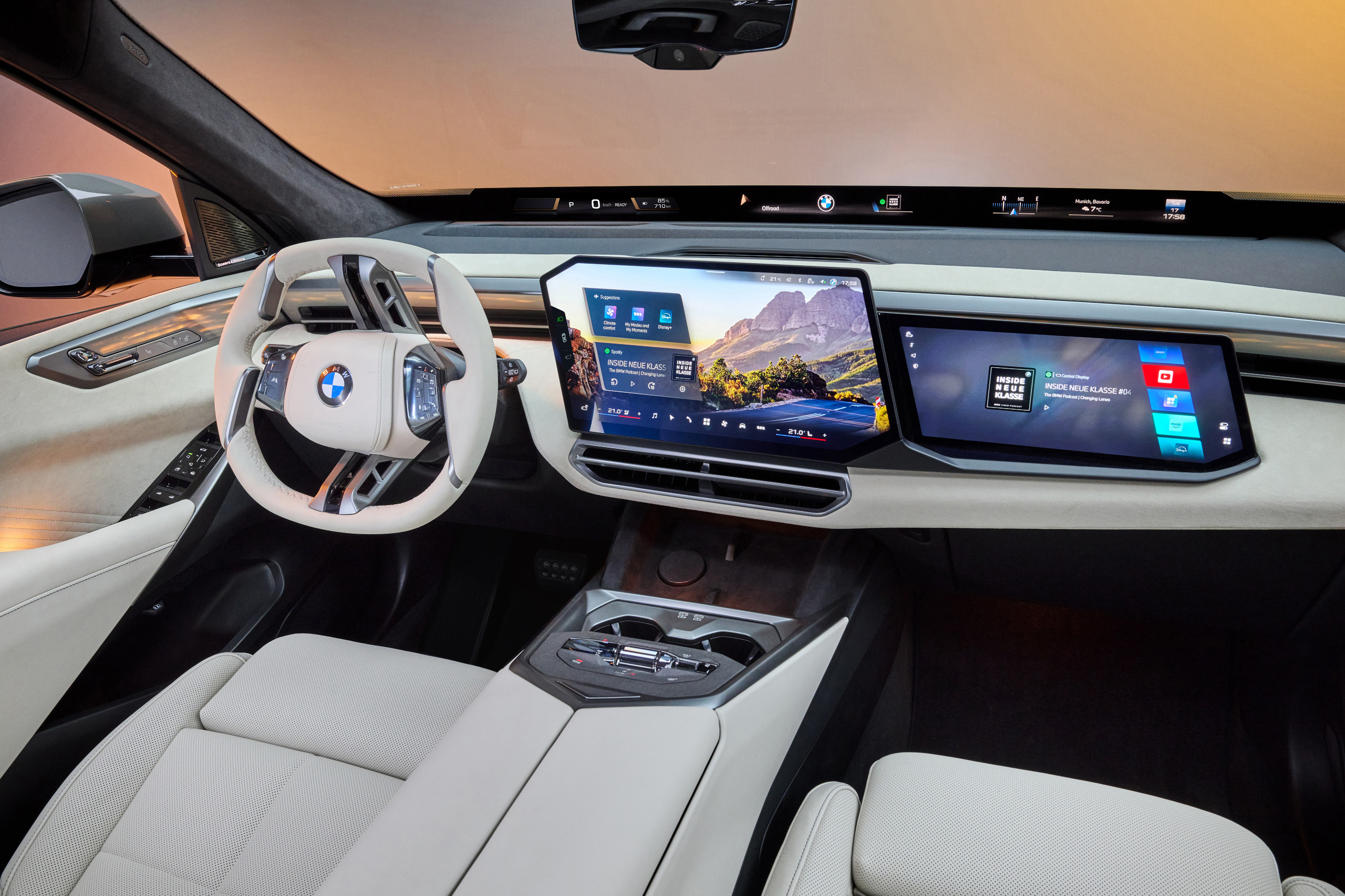
Feature Comparison: Towing and Utility by Engine Type
A major concern for buyers moving between powertrain types is the loss of utility. Often, hybrid or electric versions lose trunk space or towing capacity to accommodate batteries or tanks. However, the 2026 bmw x5 engine reliability and features are designed to be uniform across the range. Whether you choose the V8 or the fuel cell, the cargo volume remains essentially identical because the CLAR platform was designed from day one to house these components within the floor and center tunnel areas.
| Engine Type | Horsepower | Torque (lb-ft) | Max Towing (lbs) |
|---|---|---|---|
| 3.0L Mild Hybrid I-6 | 375 | 398 | 7,200 |
| 4.4L Twin-Turbo V8 | 523 | 553 | 7,200 |
| xDrive50e PHEV | 483 | 516 | 5,952 |
| iX5 BEV (Electric) | 500+ | 600+ | TBD |
| iX5 Hydrogen | 401 | 500+ | TBD |
When it comes to vehicle dynamics, each bmw x5 engine choice brings a different flavor to the premium SUV category. The ICE models feel the most traditional, with a light front end that loves to dive into corners. The PHEV and BEV models offer immediate, neck-snapping torque that changes how you navigate stop-and-go traffic.
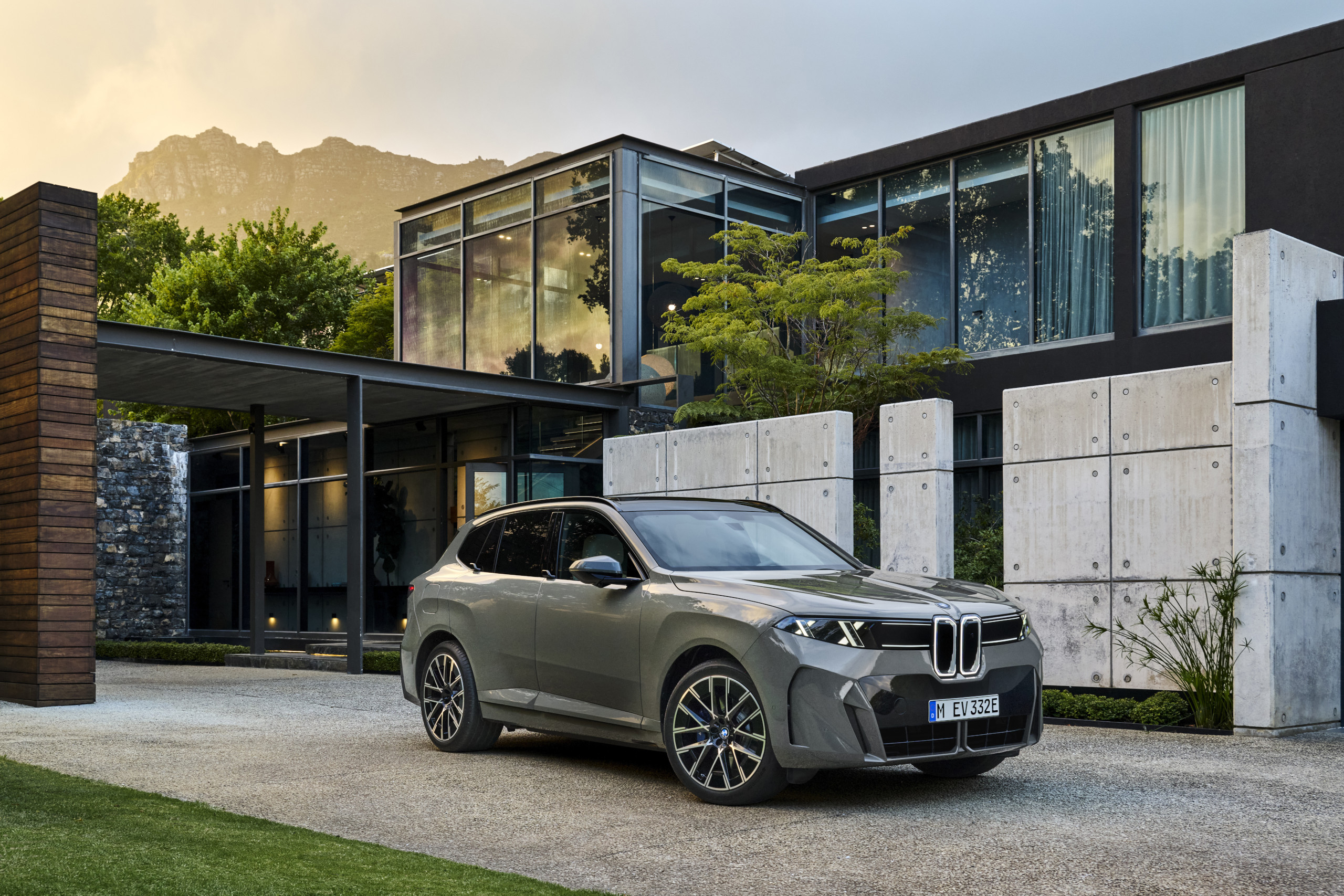
The decision for a 2026 buyer will likely come down to their regional infrastructure and personal driving habits. However, the technical achievement here cannot be understated: BMW has managed to produce a single car that can be five different things to five different people, without losing the soul of the brand in the process.
FAQ
Which engine is used in the BMW X5?
The BMW X5 uses a variety of engines depending on the specific model. The most common is the B58 3.0-liter turbocharged inline-six found in the 40i models. Higher performance variants like the M60i use the S68 4.4-liter twin-turbo V8. Additionally, the X5 is available with a plug-in hybrid system, and moving forward, will offer full battery electric and hydrogen fuel cell powertrains on the same CLAR platform.
Is the BMW X5 a V6?
No, BMW does not use V6 engines in the X5. BMW is famous for its commitment to the inline-six configuration, which provides superior natural balance and smoothness compared to a V6. The base gasoline and plug-in hybrid models utilize this 3.0-liter inline-six engine, while the larger performance engines are V8s.
Is the BMW X5 engine reliable?
The modern BMW X5 engines, particularly the B58 inline-six and the newer S68 V8, have garnered a strong reputation for reliability in the luxury segment. The B58 is widely considered one of the most robust engines BMW has ever produced. The 2026 bmw x5 engine reliability and features continue to benefit from years of iterative testing and the integration of 48V mild-hybrid technology which reduces wear on the primary mechanical components during start-stop cycles.
What's the best year X5 to buy?
While the upcoming 2026 models offer the most advanced technology-agnostic architecture, many enthusiasts consider the 2024 and 2025 model years to be excellent choices. These years benefited from a significant LCI (Life Cycle Impulse) update that introduced more powerful engines, the latest iDrive system, and refined suspension tuning, making them a high point for the fourth-generation X5.