Quick Facts
- The FW48 Complexity: The 2026 car represents a 300% increase in system load and production hours compared to any previous Williams model.
- Virtual Test Track (VTT): A factory-based rig that runs a mechanically complete car (including the power unit and gearbox) through simulated laps to ensure reliability before track debut.
- The 99-Hour Rule: F1 regulations restrict teams to just 99 hours of total track testing before the 2026 season, making virtual correlation a survival necessity.
- Active Aerodynamics: The FW48 utilizes Z-Mode (high downforce for corners) and X-Mode (low drag for straights) to manage the new 50/50 power split between the engine and battery.
- Strategic Sacrifice: Team Principal James Vowles elected to skip the traditional Barcelona shakedown to prioritize manufacturing quality and spare parts availability.
The Empty Garage: Why Williams Skipped Barcelona
While the roar of engines echoed through the pit lane in Barcelona, the Williams garage at the Circuit de Catalunya remained conspicuously quiet. To the casual observer, an empty garage during a preseason shakedown signals a crisis—a team falling behind, struggling to bolt a chassis together. But at Grove, the silence was a calculated, albeit "incredibly painful," strategic choice.
James Vowles, a man whose leadership is defined by data-driven pragmatism over PR optics, made the call to bypass the Spanish shakedown. The decision was born from a harsh reality: the 2026 technical regulations have pushed the manufacturing capabilities of mid-grid teams to a breaking point. By opting out of the early track time, Williams avoided the "manufacturing compromises" that often plague rushed builds—cars held together by hope and temporary fixes rather than engineering certainty.
"It is incredibly painful to watch your competitors gain mileage while your car is still in pieces at the factory," Vowles admitted in a recent briefing. However, the internal math was clear. A rushed shakedown in cold, damp Barcelona offers diminishing returns compared to ensuring a robust spares situation and total reliability for the high-stakes tests in Bahrain. For Williams, the priority isn't being first to the track; it’s being the most prepared when the lights go green on February 11th.
Decoding the VTT: What is a Virtual Test Track?
In the absence of physical track time, Williams has leaned into its most potent secret weapon: the Virtual Test Track (VTT). To the uninitiated, the VTT might sound like a sophisticated racing simulator, but the reality is far more visceral.
The VTT is a specialized factory rig where the FW48 is essentially "born" before it ever sees asphalt. It involves a mechanically complete car—everything from the Mercedes-sourced power unit and the bespoke Williams gearbox to the cooling systems and electronics—mounted onto a sophisticated dyno. The only things missing are the wings and the tires.
Tech Insight: VTT vs. Simulator While a standard Driver-in-the-Loop (DiL) simulator focuses on driver feel and car balance, the VTT is about hardware validation. It subjects the physical components of the FW48 to the exact torque, heat, and vibrational stresses they will experience at Spa or Silverstone. If a gearbox seal is going to fail or a wiring loom is going to overheat, the team wants it to happen in Grove, not in the middle of a 99-hour testing window in Bahrain.
This virtual correlation is essential because of the draconian testing restrictions imposed by the FIA. With only 99 total hours of track testing permitted before the season opener, teams cannot afford "garbage miles"—time spent fixing basic reliability issues. By the time the FW48 arrived at Silverstone for its official shakedown, it had already "driven" thousands of virtual kilometers, allowing the trackside engineers to focus immediately on performance rather than survival.
The Complexity Crisis: Building the FW48
The sheer scale of the 2026 regulation change cannot be overstated. When Vowles describes the FW48 as the most complex car in Williams' history, he isn't speaking in hyperbole; he’s speaking in percentages. The FW48 represents a 300% increase in system load and manufacturing complexity compared to the FW46.
To put that in perspective, every aspect of the car—from the carbon fiber layups to the internal sensor arrays—requires three times the production hours of previous models. This complexity stems from the integration of the new 2026 power units and the sophisticated systems required to manage active aerodynamics.
The manufacturing process at Grove has undergone a radical transformation to meet this demand. The team has moved away from antiquated tracking systems (famously involving Excel spreadsheets in the past) to a fully integrated digital lifecycle management system. Despite this, the journey hasn't been without "blips." Rumors of failed crash tests and production delays have circulated through the F1 paddock, but Vowles has remained transparent, characterizing these as the "natural murmuring" of a team pushing its boundaries.

Mastering the 2026 Technical Revolution
The 2026 season marks the most significant shift in F1 power dynamics in a generation. The focus moves to a 50/50 power split between the Internal Combustion Engine (ICE) and the Energy Recovery System (ERS).
| Feature | 2025 Specification | 2026 Specification (FW48) |
|---|---|---|
| ICE Output | ~550–600 kW | Reduced to 400 kW |
| ERS Output | 120 kW | Increased to 350 kW |
| Aero Strategy | Static High/Low Downforce | Active Aero (Z-Mode & X-Mode) |
| Minimum Weight | 798 kg | 768 kg (Target) |
| Fuel | 10% Renewable | 100% Sustainable Fuel |
The drop in ICE power means the FW48 is more dependent on electrical energy than any car before it. To compensate for the potential "clipping" (running out of battery) on long straights, the FIA has introduced Active Aerodynamics.
Tech Insight: X-Mode vs. Z-Mode
- Z-Mode: The "Default" setting. The front and rear wings open to provide maximum downforce for high-speed cornering and braking stability.
- X-Mode: The "Low Drag" setting. The wing elements flatten out on straights, significantly reducing drag to allow the car to reach competitive top speeds despite the lower ICE output.
Calibrating the transition between these modes is the FW48’s primary technical challenge. If the transition is too slow, the car loses time; if it’s too abrupt, it becomes undrivable. The VTT has been instrumental in ensuring the software controlling these flaps communicates perfectly with the chassis sensors.
From Digital to Physical: The Silverstone Shakedown
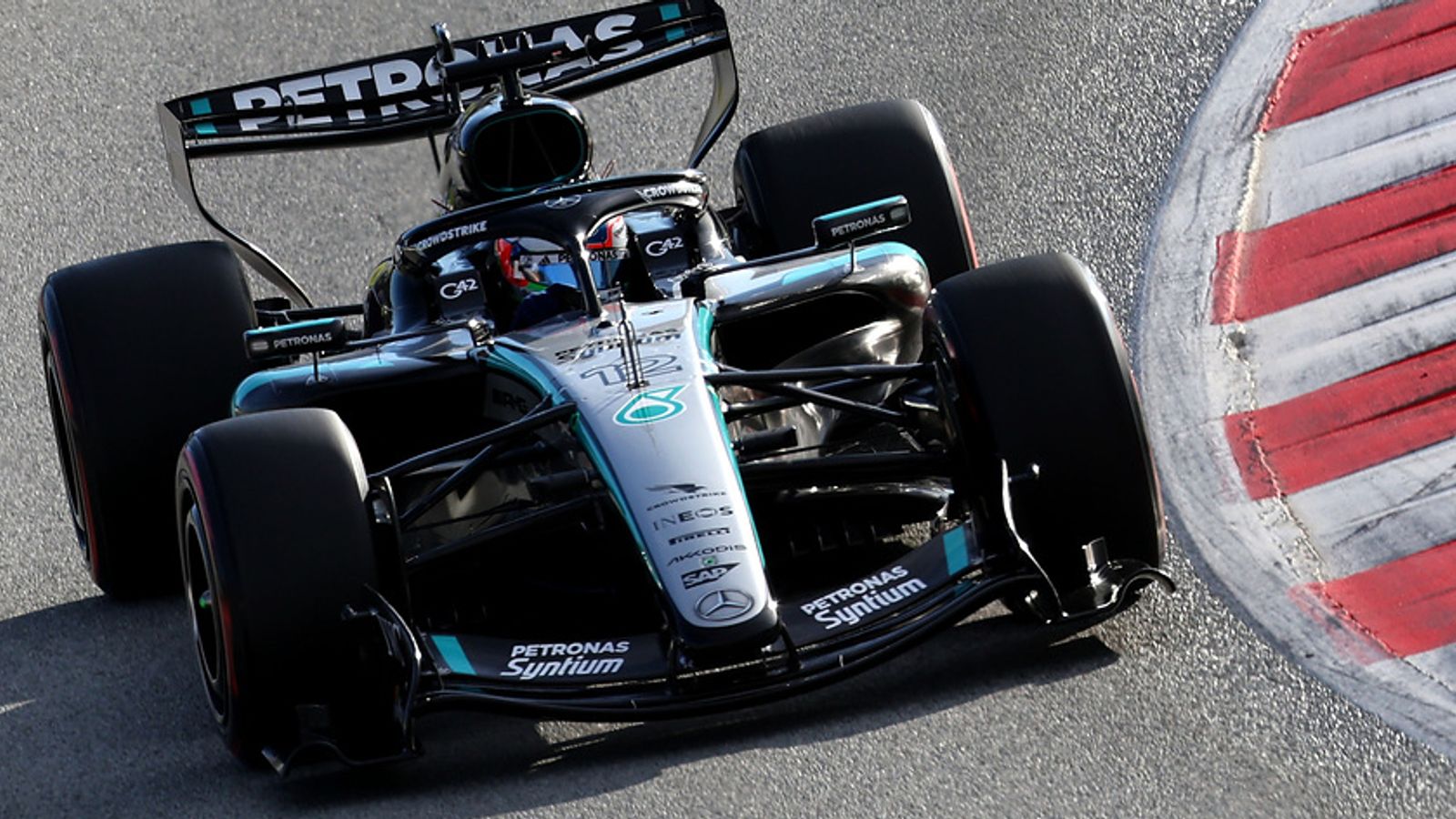
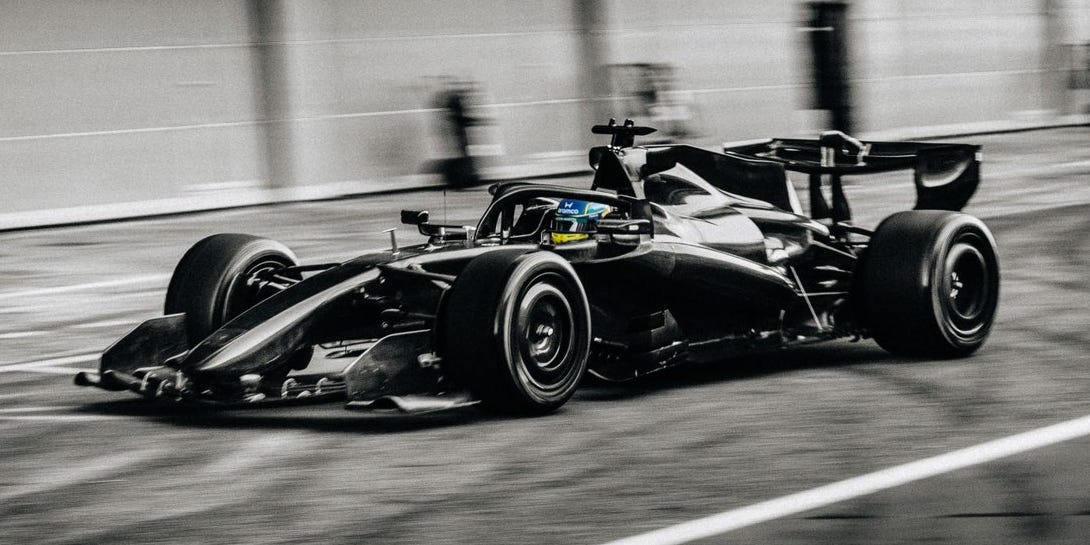
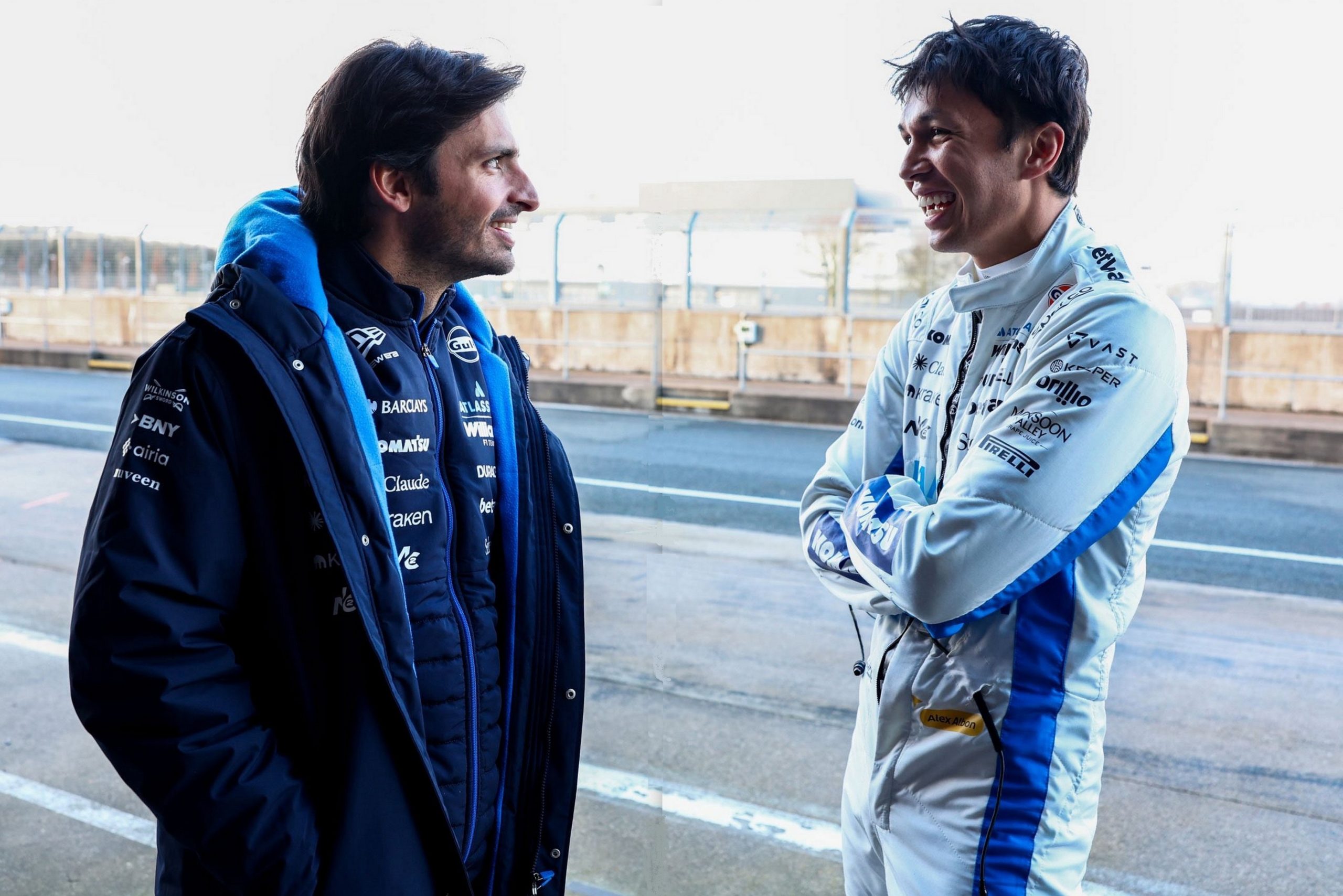
The culmination of the VTT sessions and the grueling production hours was the FW48’s physical debut under the gray skies of Silverstone. For Alex Albon and the newly arrived Carlos Sainz, this was the moment of truth.
As Sainz slid into the cockpit of a Williams for the first time in a competitive capacity, the atmosphere was one of quiet intensity. The shakedown wasn't about lap times; it was about verifying that the "digital twin" created in the VTT matched the physical reality of the track.
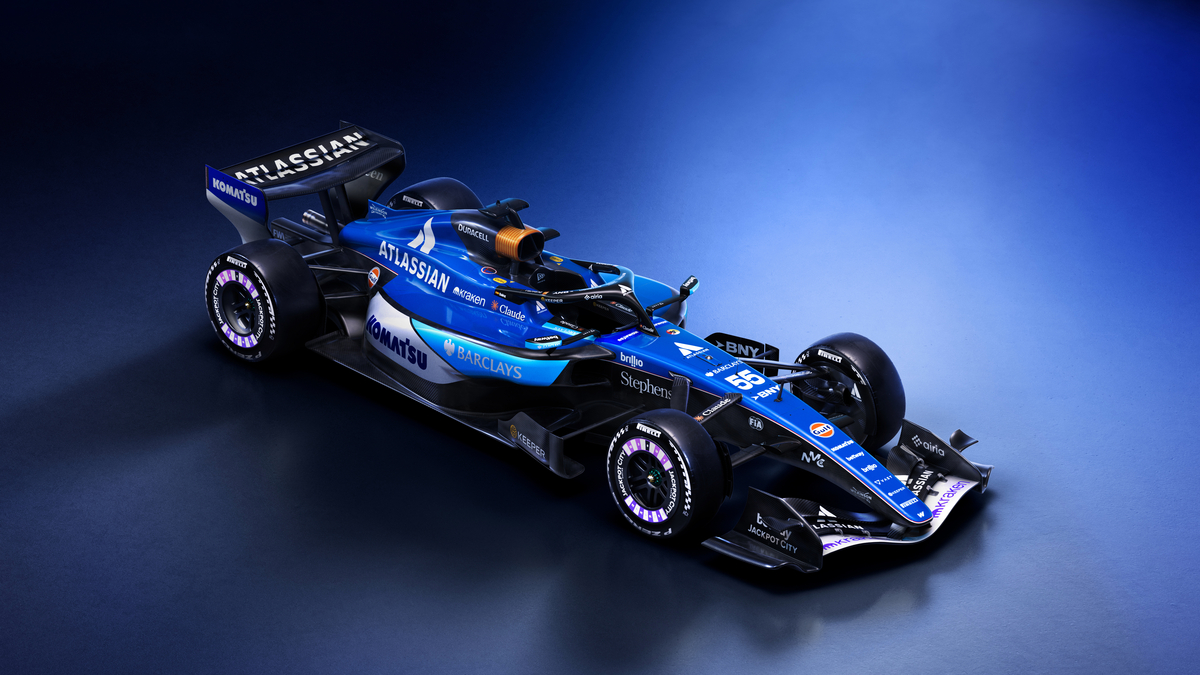
Initial feedback from both drivers has been cautiously optimistic. While the 2026 cars are inherently more difficult to drive due to the weight-to-power ratio and the shifting aero balance, the FW48 appears to be a stable platform.
The focus now shifts to the logistical marathon of the 2026 rollout. The team is currently processing over 1,200 tonnes of equipment to be shipped across the globe, covering 125,000 km of travel in the coming months. From the cold benches of Grove to the heat of the Sakhir circuit in Bahrain, the FW48’s journey is just beginning.
FAQ
Q: Does skipping the Barcelona shakedown put Williams at a disadvantage? A: While they lose early real-world data, they gain precision in manufacturing. By using the VTT, Williams ensures that when the car does hit the track in Bahrain, it is more reliable and has a better supply of spare parts than if they had rushed a "half-baked" version to Barcelona.
Q: How does the 2026 engine differ from previous years? A: The total power remains similar (around 1,000hp), but the way it's generated has shifted. The electric motor (ERS) now provides nearly 50% of the total power, up from about 15%. This requires much more complex energy management strategies.
Q: Can the drivers manually control the X-Mode and Z-Mode? A: The modes are largely governed by the car's software based on GPS location and driver input (like throttle position and brake pressure), similar to how DRS currently works but integrated much more deeply into the car’s overall aerodynamic map.