Our Top Picks
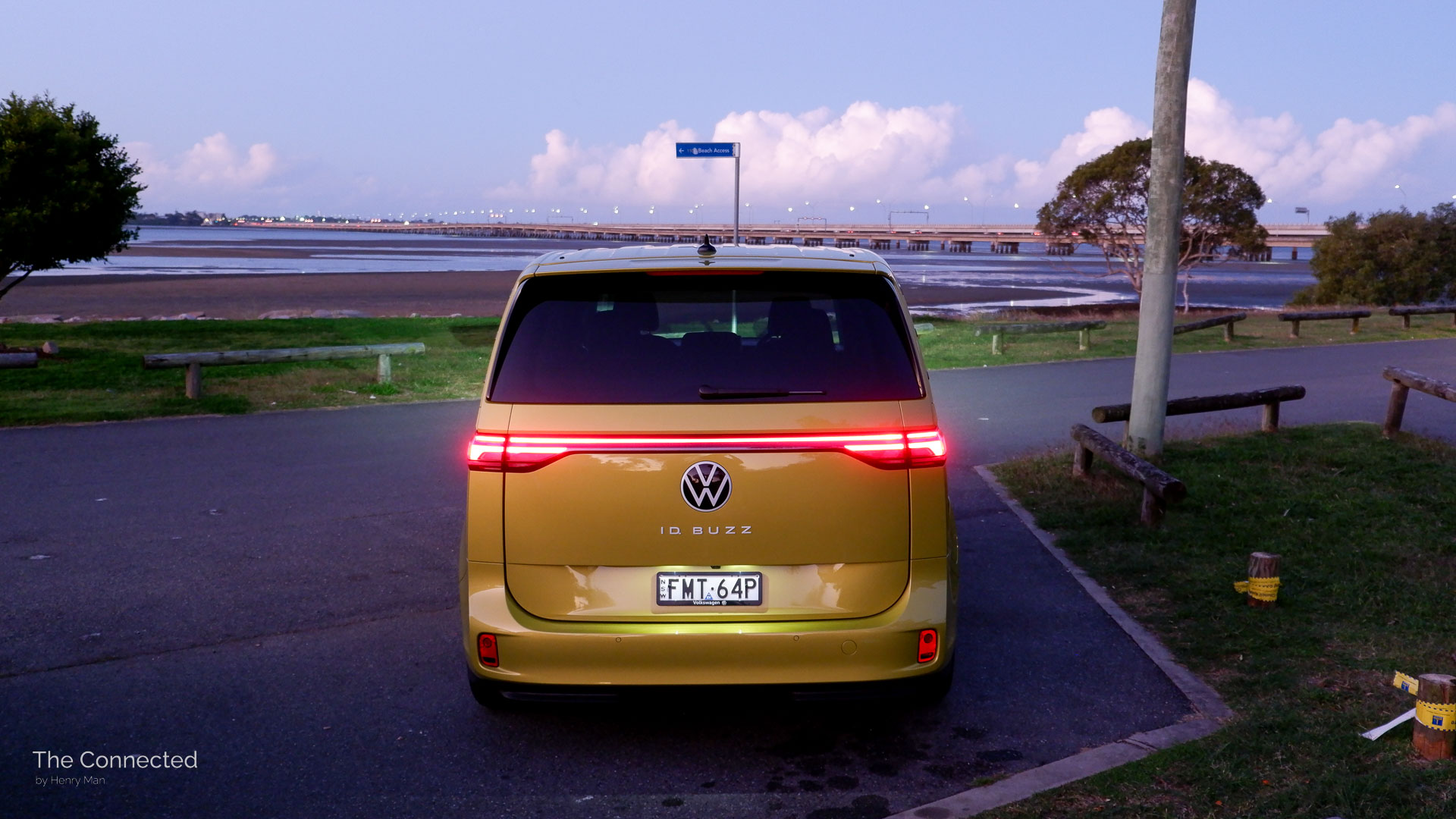
- The Volkswagen ID. Buzz is the most distinctive electric MPV on the market, succeeding as a software-defined lifestyle vehicle rather than a simple passenger hauler.
- The pro s plus trim offers the best balance of premium features and range performance for long-term ownership.
- While it excels in turning agility and digital onboarding, potential buyers should weigh its premium pricing against noted mechanical reliability concerns regarding the electronic sliding doors.
The 2026 vw id buzz review reveals a vehicle that feels more like a smartphone on wheels than a traditional microbus. While its retro design charms, it's the sophisticated software setup that truly redefines the modern EV experience. This long-term vw id buzz review shows that while the vehicle excels in digital experience and turning agility, its reliability concerns with sliding doors and high pricing in the 2026 landscape make it a premium niche choice rather than a budget family hauler.
The Onboarding Revolution: Infotainment and User Setup
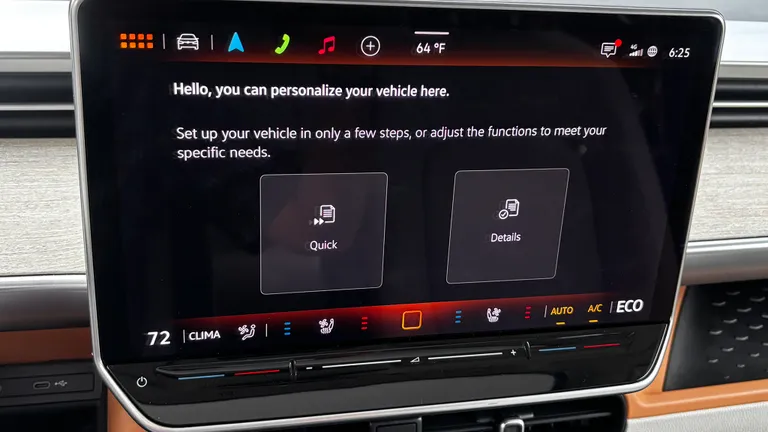
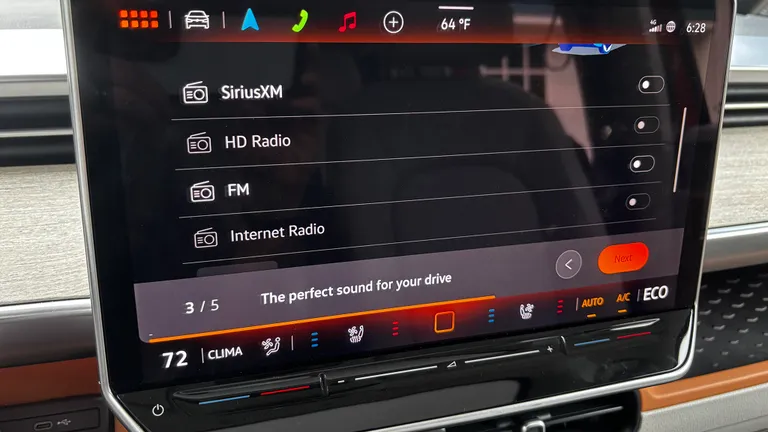
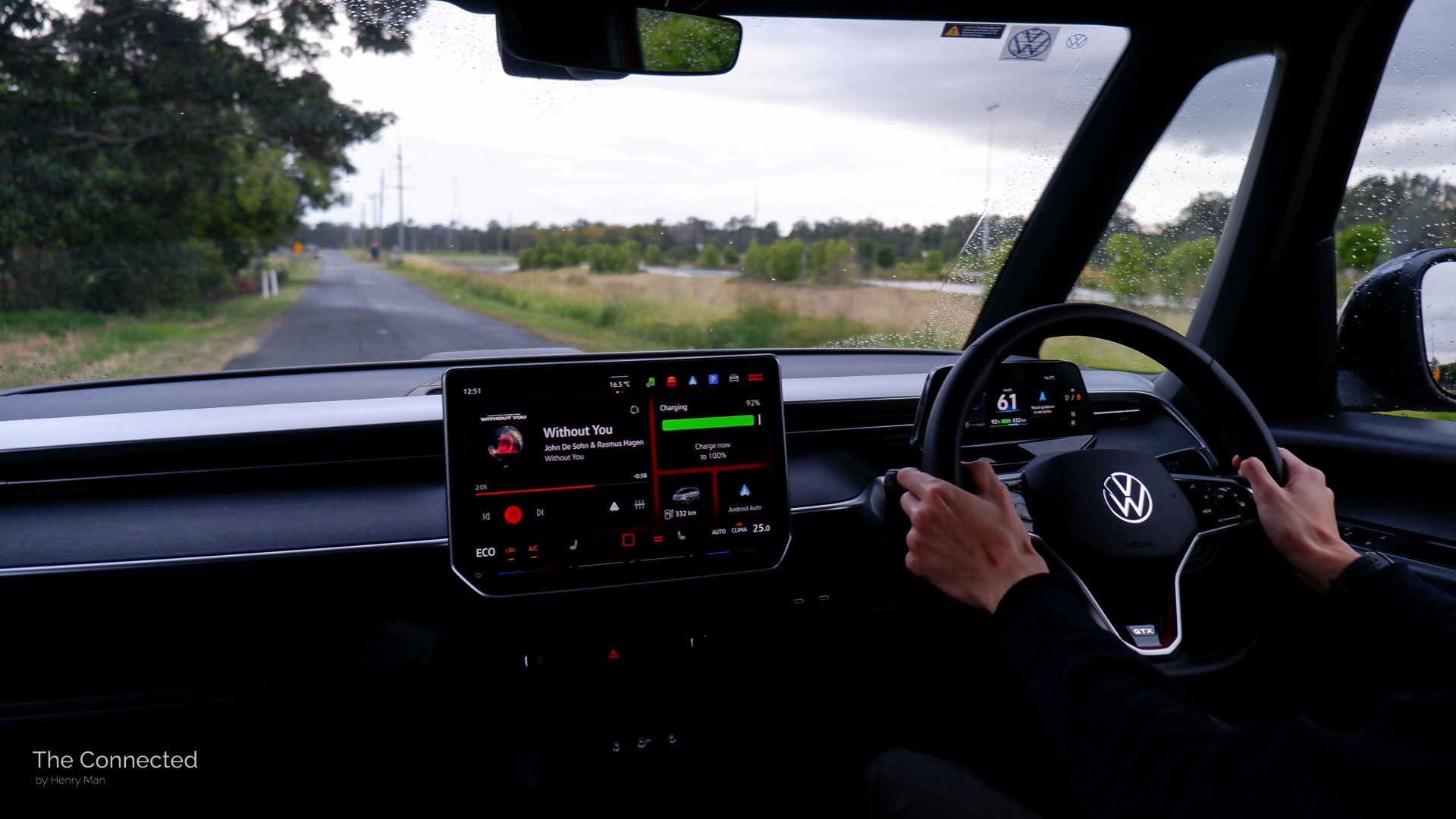
Modern cars are increasingly defined by code rather than chrome. When you first step into the cabin, you are not just sitting in a car; you are moving into a digital space. The vw id buzz infotainment system represents a significant shift in how manufacturers handle the first fifteen minutes of ownership. Unlike many electric rivals that leave you to hunt through menus, the Buzz introduces a guided configuration process. This moving in experience allows you to define the car's personality before you even shift into drive.
During our testing, the user onboarding was surprisingly intuitive. The system prompts you to customize clock formats, driver assistance preferences, and even which audio sources you want visible on the home screen. This multimedia management and personalization settings approach helps de-clutter the 12.9-inch display, which is a relief given how much information the MEB architecture attempts to communicate. For those looking for a vw id buzz infotainment system setup guide, the key is the initial personalization settings menu, where you can hide unused sources like AM radio or specific streaming apps.
Connectivity is another pillar of this setup. The MyVW app serves as the remote control for your vehicle, handled through vw id buzz wifi and myvw app connectivity. It simplifies how you activate the onboard Wi-Fi hotspot, though it is worth noting that the annual connectivity subscription comes with a fee—typically around $139. This annual cost is the price of admission for a truly connected software-defined vehicle, enabling over-the-air updates that keep the navigation and voice assistance system current.
Range Reality Check: The 80% Battery Care Rule
For any EV enthusiast, the distance between the advertised range and the road reality is the most scrutinized metric. In our testing of the vw id buzz real world range performance, the results were a mix of pleasant surprises and technical reminders. During real-world testing by Edmunds, the 2025 Volkswagen ID. Buzz Pro S Plus achieved a driving range of 263 miles, which is approximately 14% higher than its official EPA-estimated range of 231 miles.
However, living with the Buzz daily introduces the battery care mode. To maintain the health of the lithium-ion cells over a long-term review period, Volkswagen recommends a daily charging limit of 80%. This brings your daily usable range down to roughly 186 to 210 miles depending on conditions. In warmer weather, we observed energy efficiency between 3.1 and 3.4 mi/kWh, but winter driving can see this drop to 2.5 mi/kWh. If you live in a cold climate, the optional heat pump is an essential addition to mitigate this loss.
| Feature | Specification / Data |
|---|---|
| Battery Capacity (Net) | 79kWh - 86kWh |
| EPA Estimated Range | 231 miles |
| Real-World Range (Tested) | 263 miles |
| Daily Usable Range (80% Limit) | ~185 - 210 miles |
| Peak DC Fast Charging | 200 kW |
| 10% to 80% Charge Time | 26 minutes |
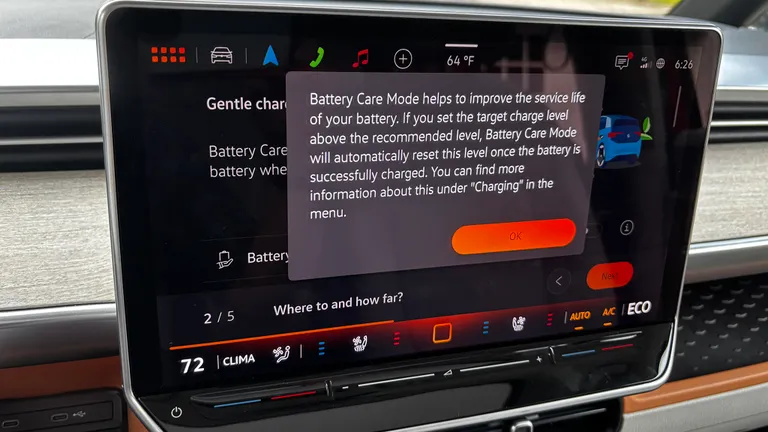
Following these vw id buzz battery care charging tips is crucial for those planning to keep the vehicle beyond a three-year lease. When you do head out on a road trip, the vehicle supports DC fast charging at rates of up to 200 kW, which allows the battery to replenish from a 10% to 80% state of charge in approximately 26 minutes at compatible high-speed stations. This performance keeps it competitive with modern electric SUV rivals.
Long-Term Reliability: When Nostalgia Meets Reality
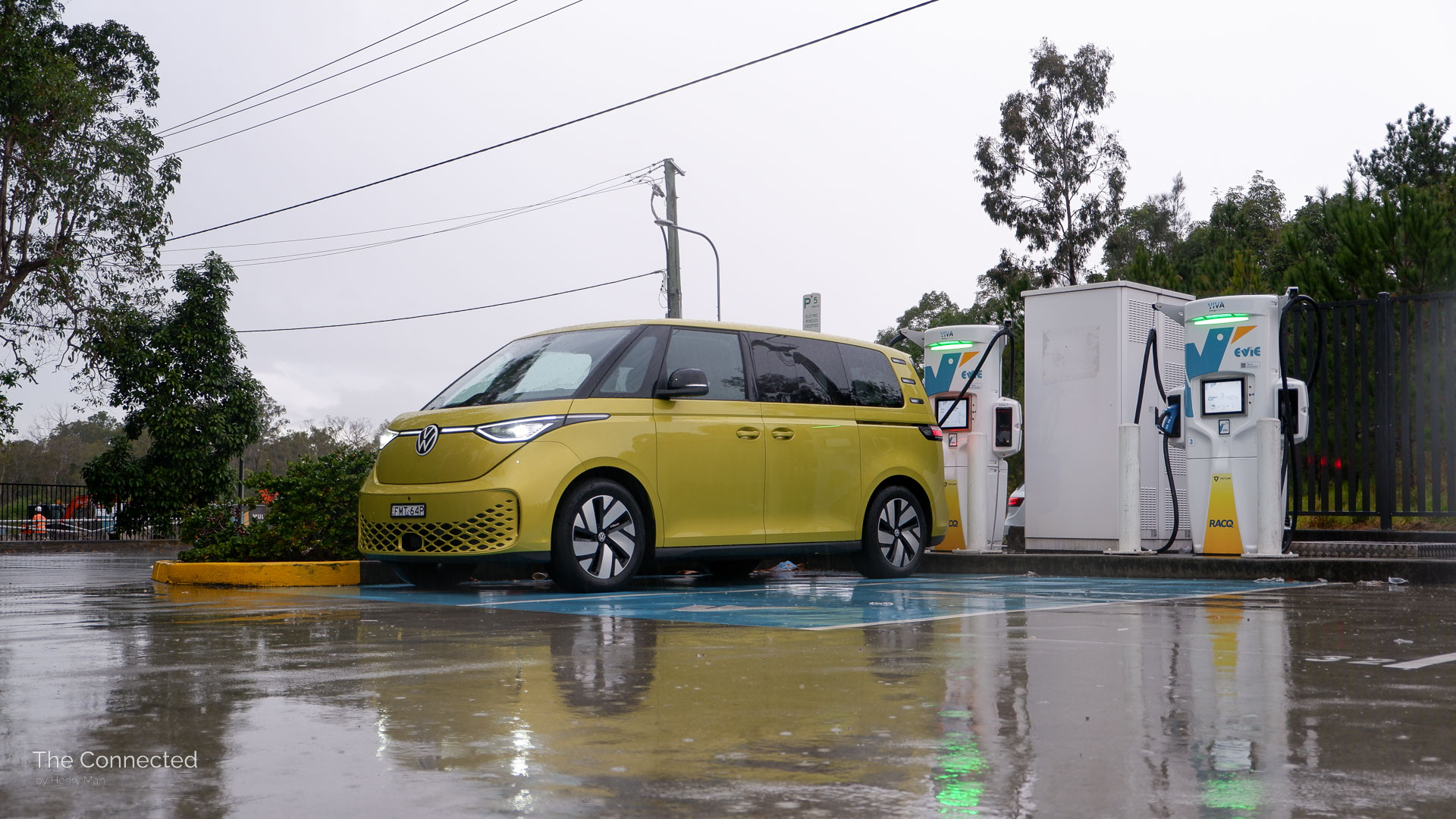
While the charm of the Buzz is undeniable, a yearlong vw id buzz review reveals that the honeymoon period can be interrupted by the realities of first-generation hardware. Reliability is where the nostalgic aesthetic meets modern manufacturing complexity. We have identified two primary areas of concern for potential owners: software glitches and mechanical door hardware.
The vw id buzz reliability on the digital front is still a work in progress. While the version 4.0 software is a vast improvement over earlier ID models, we experienced occasional freezes in the voice assistance system and slow response times during driver assistance calibration. More pressing, however, are vw id buzz reliability and common issues related to the electronic sliding doors. We encountered several instances where the sensors would falsely detect an obstruction, causing the door to retract, or mechanical misalignments that required a service visit.
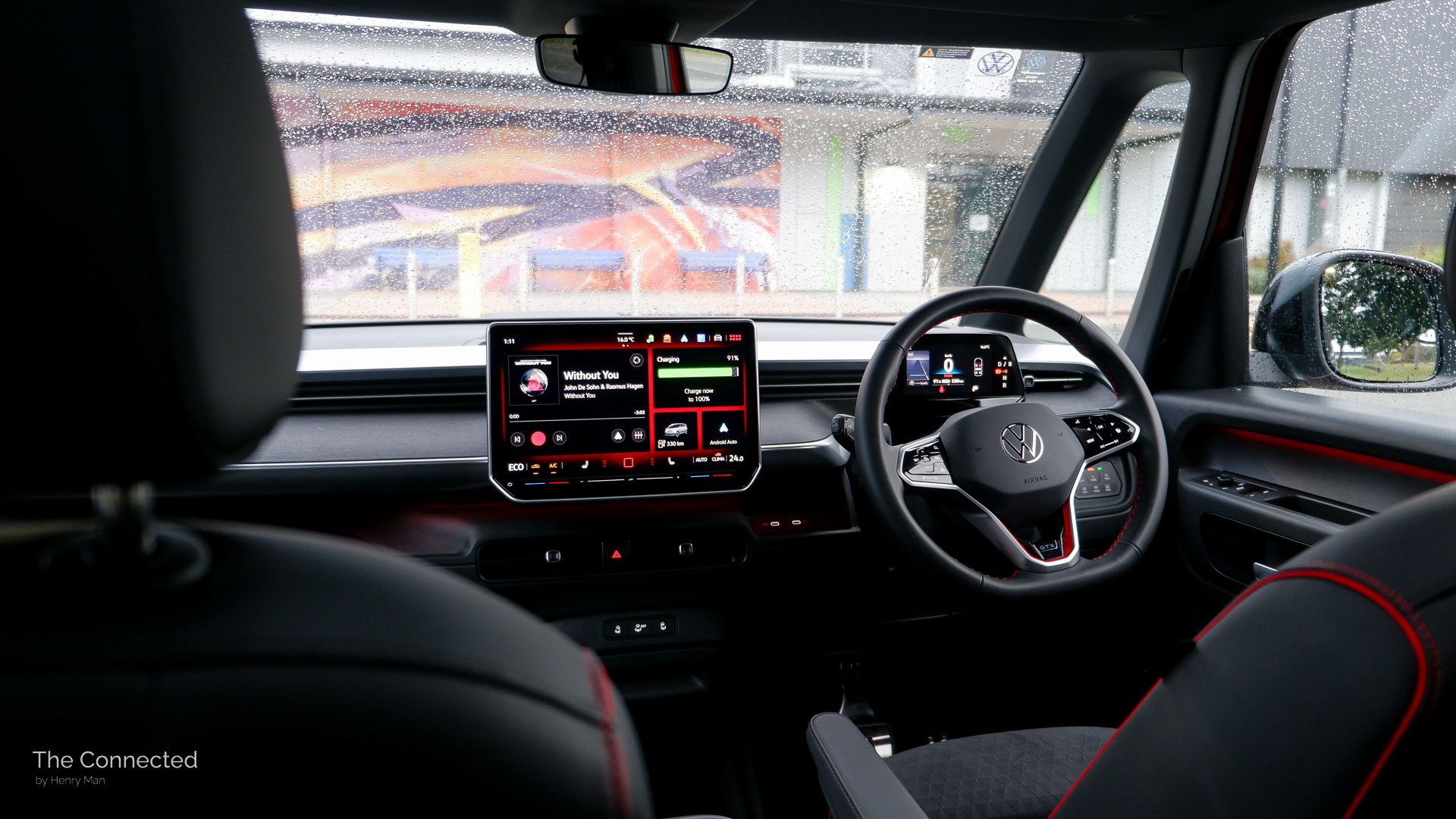
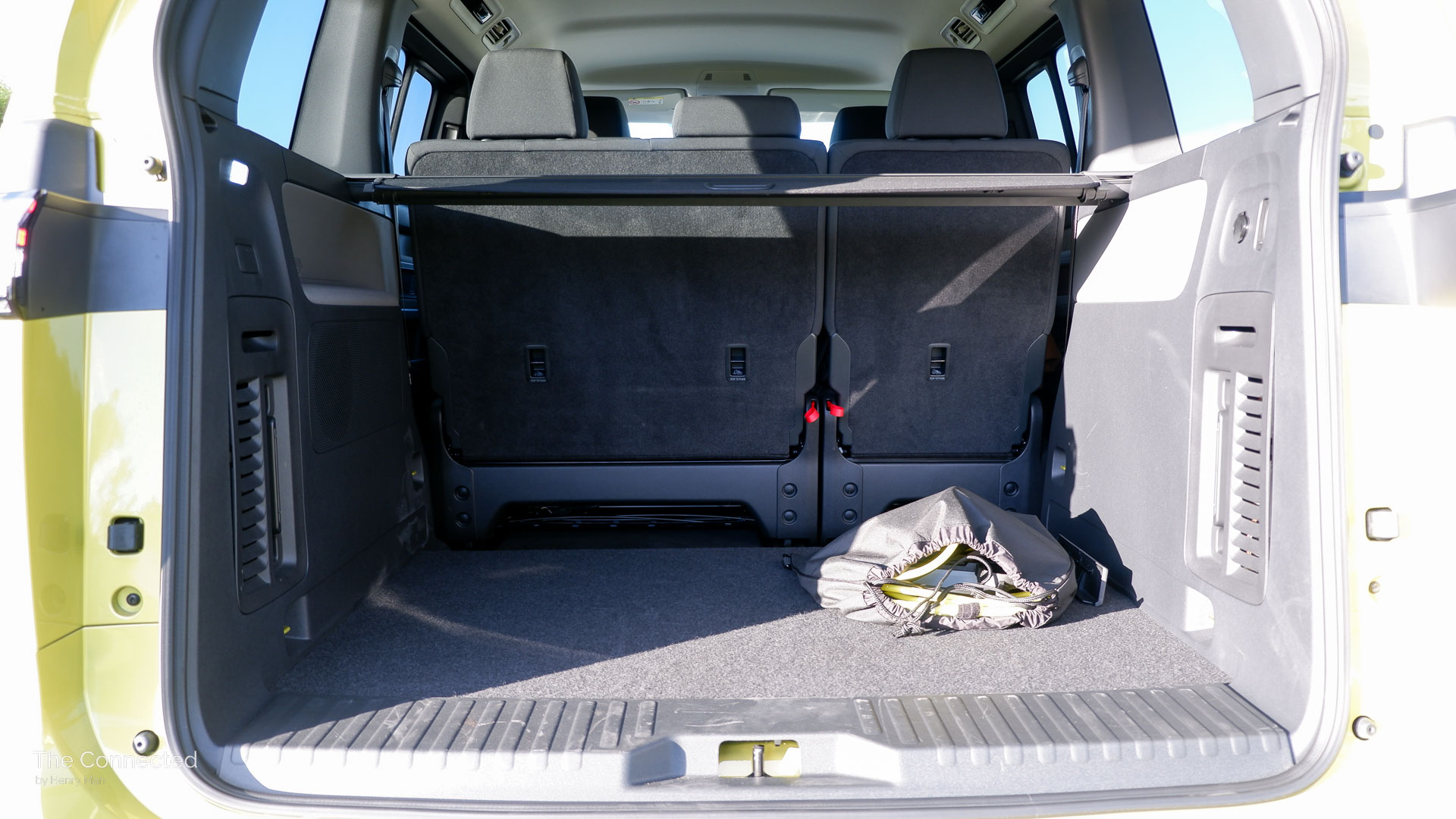
From a mechanical handling perspective, the Buzz is a marvel for its size. The long-wheelbase version provides a passenger volume of 163.7 cubic feet and a maximum cargo capacity of 145.5 cubic feet when the second and third-row seats are removed. Despite weighing over 2800kg, the placement of the battery in the floor gives it a low center of gravity. This architecture also allows for a incredibly tight turning circle of 11.1m to 11.8m, making it more maneuverable in city traffic than many mid-sized sedans.
Ownership Economics: Hidden Costs and Trim Tensions
Evaluating the Buzz through a financial lens requires looking past the MSRP. The car sits in a premium insurance group (ranging from 37 to 42), which reflects its complexity and the cost of parts for its unique body panels. In several markets, the Buzz also crosses luxury car tax thresholds, adding an annual premium to the registration costs for the first few years of ownership.
When considering a vw id buzz pro s plus trim review, it becomes clear that this trim is the "sweet spot" for those who want the full digital experience. It includes the premium sound system and the surround-view camera, which are vital for a vehicle of this volume. However, accessories can quickly inflate the price. For example, if you are looking into vw id buzz towing and accessory options, a factory-fitted tow bar can cost nearly $1,000, and adding the necessary heat pump for efficiency adds a similar surcharge.
| Model / Trim | Key Performance Factor | Ideal Use Case |
|---|---|---|
| SWB (Short Wheelbase) | Maximum Agility | Urban families and city maneuvers |
| LWB (Long Wheelbase) | 145.5 cu. ft. Cargo | Large families and camping / road trips |
| GTX Performance | Dual-Motor AWD | Frequent mountain or snow driving |
FAQ
Is the Volkswagen ID. Buzz worth it?
It depends on whether you value lifestyle and digital experience over raw utility. For drivers who want a unique, software-defined vehicle that makes a statement, the Buzz is worth the premium. However, if you are strictly looking for the most range for the least amount of money, a traditional electric SUV might offer better value.
Can ID. Buzz use a Tesla charger?
Yes, with the proper adapter or at Tesla Superchargers equipped with the "Magic Dock," the ID. Buzz can utilize Tesla's network. Volkswagen is also moving toward adopting the NACS (North American Charging Standard) in future iterations, which will make this integration even more seamless for 2026 models and beyond.
Is the VW ID Buzz a flop?
By no means is it a flop, but it is a niche product. While it hasn't achieved the mass-market volume of the ID.4, it has successfully established a new category of "emotional" EVs. Its success is measured more by its ability to pull new buyers into the brand rather than sheer sales volume.
Why is the ID. Buzz not selling?
High entry-level pricing and the current saturation of the premium EV market are the primary headwinds. Many families are waiting for more affordable trims or lower interest rates before committing to a vehicle that often prices out as a luxury item rather than a utilitarian van.
Is a VW ID. Buzz expensive to insure?
Yes, it occupies insurance groups 37 to 42. This is higher than a typical family SUV due to the specialized nature of its body panels and the high cost of repair for its integrated sensor systems and battery pack.
Conclusion
The yearlong vw id buzz review shows us a vehicle that is much more than a nostalgia trip. By prioritizing the user onboarding process and creating a digital living space, Volkswagen has redefined what the setup of a modern EV should look like. It isn't just about moving people from point A to B; it's about the software-defined experience of the journey.
While mechanical teething issues like the sliding door sensors and the premium insurance costs are real factors to consider, the Buzz offers a level of personality that is sorely lacking in the current EV landscape. It proves that electric MPVs can be agile, technologically advanced, and emotionally resonant all at once. For the buyer who values innovation and a guided digital lifestyle, the ID. Buzz stands alone as a benchmark for the next generation of mobility.