Quick Facts
- Start Price: $14,985 (including destination charge)
- Range: 46 miles per full charge
- Battery: 5.4-kWh lithium-ion pack
- Charge Time: 5 hours (120V household outlet)
- Legal Class: Low-Speed Vehicle (LSV) / Electric Quadricycle
- Top Speed: 19 mph (Standard) / 25 mph (with LSV kit)
- Primary Color: Verde Vita Mint
The 2026 Fiat Topolino is a game-changer for short-range mobility. Starting at $14,985, it offers an enclosed alternative to traditional low speed vehicles. The Topolino is a 46-mile electric microcar designed for neighborhood use, retirement communities, and urban centers, fitting federally recognized LSV standards when equipped with the conversion kit.
As someone who has spent years tracking the evolution of massive 100-kWh battery packs and lightning-fast DC charging speeds, there is something undeniably refreshing about the Topolino. It does not try to be a Tesla; it tries to be a better way to get to the grocery store or the yacht club. In the burgeoning world of micromobility, the Topolino represents a shift from "utility" to "lifestyle," bringing Italian charm to a segment previously dominated by plastic-bodied golf carts.
What is the Fiat Topolino? Defining the Electric Quadricycle
The 2026 Fiat Topolino is built on the Stellantis platform that also birthed the Citroën Ami and the Opel Rocks-e. However, Fiat has injected a significant amount of "La Dolce Vita" into the design. At just 99.6 inches long, it is nearly 30 inches shorter than a Mitsubishi Mirage. It is categorized as an electric quadricycle in Europe, but for the American market, it enters the domestic landscape as one of the most sophisticated neighborhood electric vehicles ever offered.
Fiat presents the vehicle in two distinct personalities. The standard model features a fully enclosed cabin with a panoramic glass roof, providing a weather-protected environment that feels more like a car than a recreational vehicle. Then there is the Dolce Vita trim, which swaps traditional doors for braided rope accents and replaces the hardtop with a roll-back fabric roof. It is a stunning visual nod to the 1957 Fiat 500 Jolly, designed specifically for coastal environments.
The interior is minimalist but thoughtfully executed. You won't find a massive touchscreen here; instead, Fiat provides a smartphone cradle, recognizing that your phone is likely more powerful than any infotainment system they could build into a $15,000 microcar. The focus remains on 2026 Fiat Topolino price and features that matter to the urban dweller, such as the small luggage rack and surprisingly spacious legroom for two adults.
Neighborhood Electric Vehicles vs Golf Carts: Why Choose the Topolino?
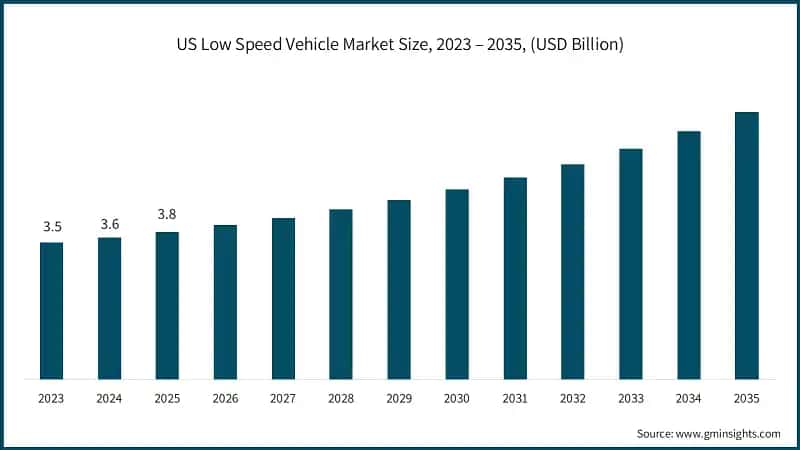
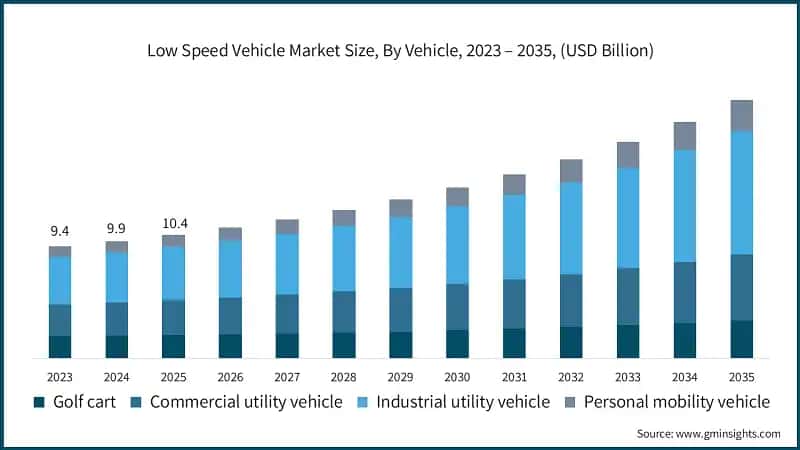
When we look at the competition, specifically premium golf carts from manufacturers like E-Z-Go and Club Car, the price points are remarkably similar. High-end neighborhood electric vehicles often retail between $14,000 and $18,000. So, why would a buyer choose this Italian microcar over a traditional cart?
The primary advantage lies in the car-based architecture. Unlike a converted golf cart, the Topolino was designed from the ground up for road use. This results in a much higher level of refinement and safety. Consider these key differences:
- Enclosure and Climate: While many carts offer vinyl rain enclosures, the Topolino features a steel-reinforced cabin and a standard windshield defroster. This makes it a viable year-round urban mobility solution in regions with unpredictable weather.
- Safety Equipment: The Topolino includes 3-point seatbelts, a backup camera, and automotive-grade lights and mirrors as standard equipment. These are often costly add-ons for traditional neighborhood electric vehicles.
- Service Network: One of the biggest hurdles for small EV startups is maintenance. Fiat leverages its network of 320 dealers, allowing owners access to professional service and parts, which is a significant "peace of mind" factor that cheaper imported low speed vehicles lack.
While a golf cart might offer a four-seat configuration, the Topolino’s two-seat design prioritizes comfort and cargo for the occupants. This makes it one of the best low speed vehicles for seniors in retirement communities who need to zip between the golf course and the clubhouse but want the protection of a real vehicle.
Is it Street Legal? Understanding LSV Requirements
A common point of confusion for buyers is the difference between a car and a low-speed vehicle. To be considered one of the street legal low-speed vehicles, a machine must follow NHTSA Federal Motor Vehicle Safety Standard No. 500. This includes having a 17-digit VIN, headlamps, turn signals, mirrors, a parking brake, and a windshield made of safety glass.
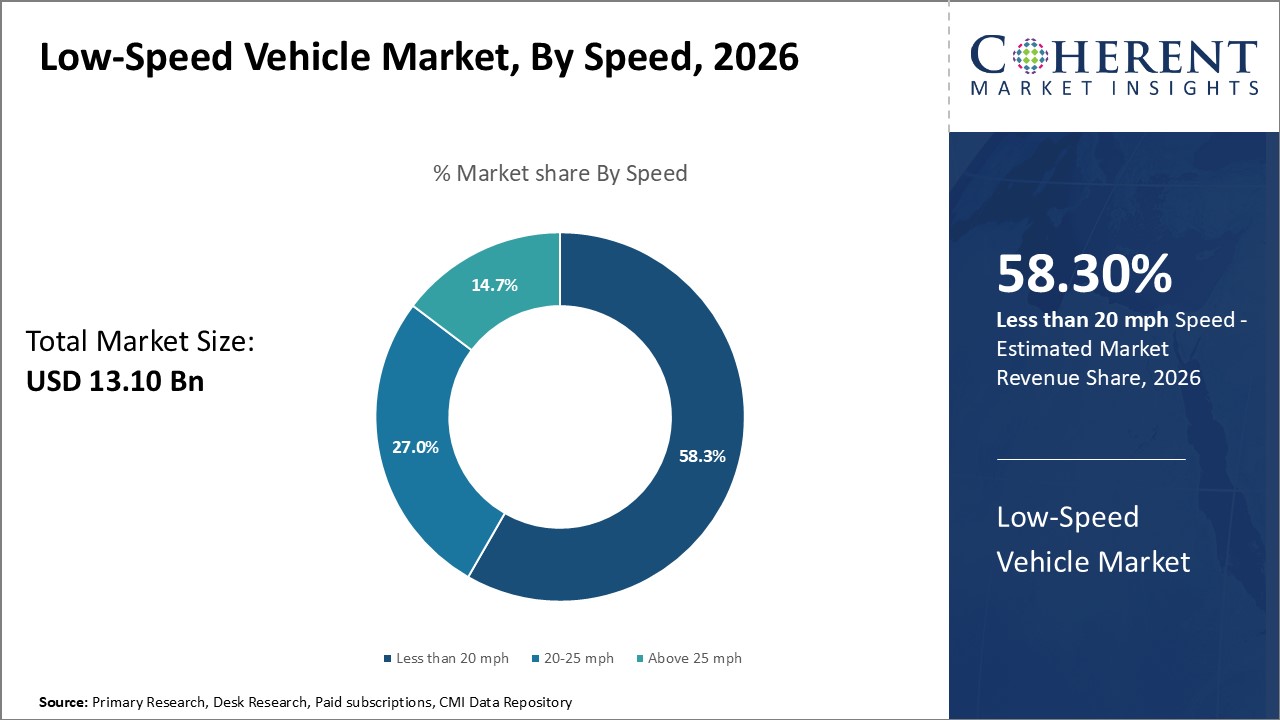
The 2026 Fiat Topolino is equipped with a 5.4-kWh lithium-ion battery that provides an electric range of up to 46 miles. However, out of the box, the vehicle has a default top speed of 19 mph. To meet federal and local requirements for public road use, the vehicle's speed can be increased to 25 mph with a conversion kit.
Once this 25 mph threshold is met and the safety hardware is verified, the Topolino becomes street-legal on roads with speed limits of 35 mph or less. This makes it an ideal choice for low speed electric vehicles for city commuting in dense urban centers like New York or San Francisco, where average traffic speeds rarely exceed 20 mph anyway. Understanding these low speed vehicles requirements for street legal operations is critical before purchase, as it dictates exactly where you can—and cannot—drive.
Charging, Maintenance, and Insurance
Owning a Topolino is designed to be as simple as owning an appliance. There is no need for a Level 2 home charger or a specialized wall box. The vehicle charges via a standard AC outlet, reaching a full charge in roughly five hours. For most users, this means simply plugging it into a garage outlet overnight, providing more than enough range for a typical day of neighborhood errands.
Maintenance is similarly straightforward. Since it lacks a traditional internal combustion engine, there are no oil changes, spark plugs, or transmission flushes to worry about. Most service will involve checking tire pressure, brake pads, and cabin filters. Owners can interact with the brand through the Fiat Live Store, a digital platform that makes the purchasing and service scheduling process transparent and mobile-friendly.
One area where buyers must do their homework is insurance for low speed vehicles. Because these are street-legal and require a license plate, you are generally required to carry a specialized insurance policy. While typically cheaper than full-sized car insurance, it is a mandatory expense. Requirements vary by state, so checking with a local agent about street-legal low-speed vehicles in your specific zip code is a necessary step in the buying journey.
Verdict: Is the $15,000 Price Tag Justified?
The 2026 Fiat Topolino starts at $14,980 for the U.S. market. At this price point, it isn't competing with a used Honda Civic; it is competing with a luxury golf cart or a high-end e-bike. For the right driver, the value proposition is undeniable.
If your daily life involves a three-mile commute to a train station, living in a master-planned community, or managing a large property like a marina, the Topolino is arguably one of the best low speed vehicles on the market today. It offers a level of style and "cool factor" that the micromobility world has been sorely lacking.
While it won't handle highway speeds and certainly won't replace the family SUV for a road trip, it excels at the "last mile" and short-trip lifestyle. By providing a safe, enclosed, and bespoke customization experience—and doing so in a stunning Verde Vita Mint—Fiat has proved that the future of the city car doesn't have to be boring.

FAQ
What is the difference between a LSV and a golf cart?
While both are often used in neighborhoods, a Low-Speed Vehicle (LSV) must meet federal safety standards, including mirrors, turn signals, and a VIN, allowing it to be street-legal on roads up to 35 mph. A traditional golf cart is typically restricted to private property or designated cart paths and lacks the safety features required for a license plate.
What are the disadvantages of an LSV vehicle?
The primary disadvantages include a limited top speed of 25 mph and restricted access to high-speed roads. You cannot take them on highways or any road with a speed limit exceeding 35-45 mph (depending on local state laws). They also typically have smaller batteries, resulting in shorter ranges compared to full-sized electric cars.
How much does an LSV cost?
Prices for a quality LSV typically range from $10,000 to $20,000. Entry-level models may start lower, but premium, car-based models like the Fiat Topolino sit around the $15,000 mark.
What is the best LSV on the market?
The "best" depends on your needs, but the Fiat Topolino is currently a top contender for those seeking an enclosed, car-like experience. Other popular options include the GEM (Global Electric Motorcars) for utility and cargo, or the Moke Californian for those seeking a heritage, open-air design.
Do you need insurance for a LSV?
Yes. Because LSVs are registered and plated for use on public roads, most states require them to be insured. The good news is that these policies are generally much less expensive than standard automotive insurance.