The atmosphere at the 2024 National Automobile Dealers Association (NADA) Show in Las Vegas was far from celebratory. While manufacturers typically use this forum to rally their front-line partners, the mood inside the Volkswagen meetings was decidedly icy. At the heart of this friction is a fundamental disagreement over the future of the American automotive retail model. The growing rift between VW and its U.S. dealer network is primarily fueled by the decision to launch the revived Scout Motors brand through a direct-to-consumer sales model, effectively bypassing the traditional franchise system. Compounding this betrayal is a deepening frustration over a lack of hybrid offerings and a persistent inventory glut that has seen premium German electric vehicles (EVs) languishing on lots for more than double the industry-standard duration.
The Scout Motors Catalyst: Autonomy or Abandonment?
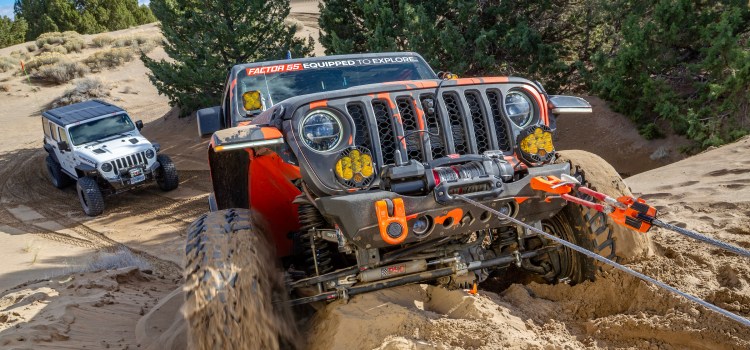
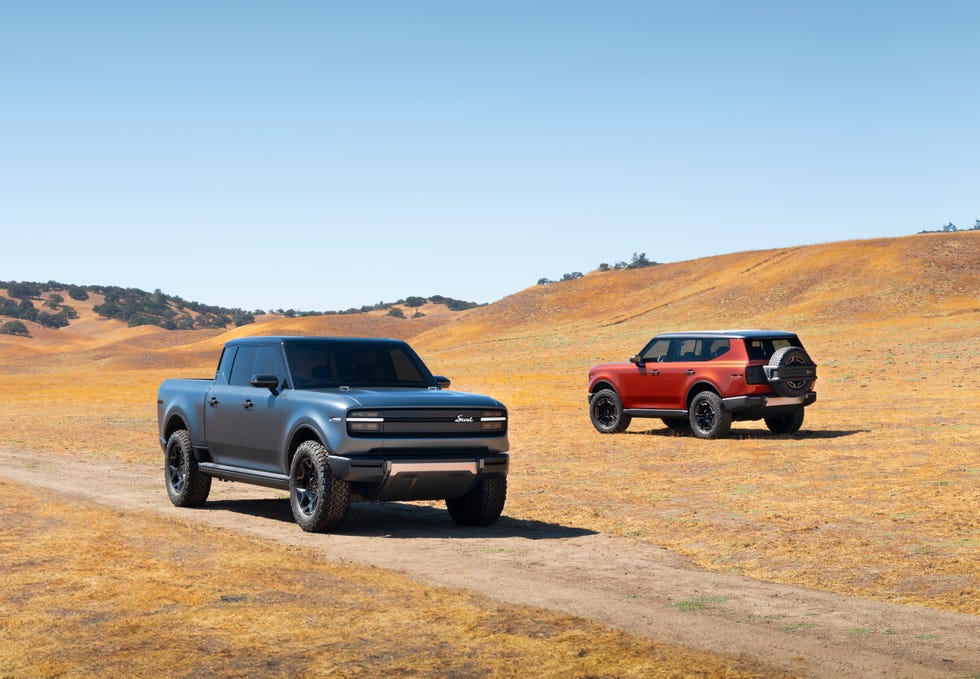
To understand the current conflict, one must look at the "Independence vs. Accountability" paradox within the Volkswagen Group. When VW announced it would revive the iconic Scout nameplate for a new line of electric SUVs and pickups, dealers initially celebrated. They saw it as the "Trojan Horse" that would finally allow them to compete with the rugged, lifestyle-oriented offerings from Jeep and Rivian. However, the celebration turned to outrage when Scout Motors was established as a wholly independent automaker within the VW Group—specifically to gain the autonomy to implement a Tesla-style direct sales strategy.
From the manufacturer's perspective, this autonomy is a strategic necessity to compete in a rapidly evolving EV market. By selling directly to consumers, Scout can control the brand experience, manage pricing without "dealer markups," and capture a larger slice of the revenue pie. To the 650+ Volkswagen dealers in the U.S., however, this move feels like a strategic abandonment. They argue that their massive investments in brick-and-mortar facilities and local community presence are being devalued by a corporate structure that uses their parent company's capital while circumventing their franchise rights.
Dealers view the "independent" branding as a legal loophole. They argue that because Scout is owned by the same parent entity that they represent, the brand has a moral and legal obligation to offer those franchise rights to existing partners first. By choosing a direct sales route, VW is essentially telling its dealers that it lacks confidence in the very franchise model it has relied on for decades.
The Legal Battleground: Lawsuits and Franchise Law
The conflict has moved beyond heated meetings and into the courtroom. U.S. dealers, through their respective state associations, are taking aggressive legal action to protect their territory. In states like California and Florida, dealer groups have filed lawsuits alleging that Scout Motors' direct-to-consumer plan is a flagrant violation of state franchise laws.
These laws were originally designed to protect independent retailers from unfair competition by the manufacturers themselves. The core of the legal argument is simple: A manufacturer cannot open its own store to compete with its independent franchisees for the same customers. Scout Motors argues that because it is a "new" and "separate" brand, these laws do not apply. Dealers counter that this is a "Hobson’s Choice"—either they accept the erosion of their franchise protections, or they face a future where the most exciting new products are sold right next door by the very company they represent.
"The legal precedent set here will determine the future of automotive retail in America," says one veteran Florida dealer. "If VW can simply create a new 'shell' brand to bypass state laws, every legacy manufacturer will follow suit, and the multi-billion dollar investment of local dealers will vanish overnight."
Furthermore, dealers are targeting the "out-of-state delivery" loophole. Many direct-sales competitors have circumvented strict state laws by processing transactions in "friendly" states and then delivering vehicles across state lines. VW dealers are lobbying state legislatures to close these gaps, ensuring that any vehicle sold within a dealer's "Relevant Market Area" (RMA) is subject to the same franchise oversight and service requirements.
Product Gaps and Inventory Pressure: The Data Behind the Anger
While the Scout controversy provides the legal spark, the underlying fuel for this rift is a series of poor product and inventory management decisions. Dealers are currently facing what can only be described as an "inventory pile-up" crisis. In early 2024, inventory levels for premium German Battery Electric Vehicles (BEVs) in the U.S. market surged to a staggering 136 days of supply. To put that in perspective, the industry-preferred standard is roughly 60 days.
This oversupply is not just a logistical headache; it is a financial drain. Dealers pay "floorplan" interest on every vehicle sitting on their lot. When a car sits for four months instead of two, the profit margin is often entirely consumed by interest expenses. This leads to a desperate cycle of heavy discounting, which further erodes brand value and dealer profitability.
| Metric | VW/German Premium BEVs (Q1 2024) | Industry Ideal Standard |
|---|---|---|
| Days of Supply | 136 Days | 60 Days |
| Sales Performance | 3 Consecutive Quarters of Decline | Steady Growth (Avg) |
| Inventory Turn Rate | 2.6x per year | 6.0x per year |
The data paints a grim picture:
- Sliding Sales: Volkswagen experienced three consecutive quarters of sliding sales numbers in the US leading up to the 2024 NADA Show.
- The Hybrid Gap: While competitors like Toyota and Honda are seeing record demand for hybrids and plug-in hybrids (PHEVs), VW doubled down on a "BEV or nothing" strategy. Dealers are begging for boxy, hybrid SUVs and pickups—products that consumers actually want today—but are instead being forced to take more ID.4 units and slow-moving models like the Arteon.
- Model Fatigue: The failure of models like the ID. Buzz to arrive on time and the lukewarm reception of the ID.4 in certain regions have left dealers with few "hits" to drive showroom traffic.
The Profit Paradox: Parts, Service, and Sustainability
The rift is further widened by the differing financial realities of selling EVs versus internal combustion engine (ICE) vehicles. Dealers have historically relied on "Fixed Operations"—the parts and service department—to keep the lights on.
In 2024, the "Profit Paradox" became impossible to ignore. Legacy service and parts departments provide approximately 53% gross margin, contributing to 42% of a dealership's total gross profit on just 27% of its revenue. EVs, however, require significantly less maintenance. They don't need oil changes, spark plugs, or complex transmission repairs. As the fleet shifts toward BEVs, dealers see their most reliable revenue stream evaporating.
Adding insult to injury, the gross margins on new BEV sales have plummeted. In early 2024, the average gross margin for a new BEV was a razor-thin 1.5%, or roughly $866 per unit. When you factor in the high cost of training technicians for high-voltage systems and the required investment in DC fast chargers (often costing $200,000+ per rooftop), the math simply doesn't add up for the independent retailer.
The dealers feel they are being asked to fund the manufacturer's transition to a new era while simultaneously being cut out of the most profitable parts of that future (the Scout brand). They are being positioned as "The Fix" for VW's oversupply issues—forced to take on inventory they can't sell—while being denied the products (hybrids) that would actually generate the cash flow needed to sustain their businesses.
Future Outlook: Consolidation or Reconciliation?
As we look toward 2025, the relationship between Wolfsburg and the American heartland stands at a crossroads. There are two likely paths forward:
- The Pivot to Inclusion: Realizing that a nationwide rollout of Scout without a service network is a recipe for disaster, VW may pivot. We could see a compromise where Scout remains a separate brand but utilizes existing VW dealers for "last-mile" delivery and service, perhaps under a "brand-within-a-brand" showroom concept.
- Increased Consolidation: If the legal battles favor Scout, we may see a significant "Blue Sky" valuation decline for VW franchises. Underperforming dealers may be forced to consolidate or sell back their franchises to the manufacturer, leading to a smaller, corporate-owned retail footprint.
The threat of declining "Blue Sky" values (the intangible value of a dealership beyond its physical assets) is perhaps the greatest fear for dealer principals. If the franchise model is bypassed by Scout, the value of every VW store in the country takes a hit.
FAQ
Q: Why is Scout Motors being sold directly instead of through VW dealers? A: Volkswagen Group established Scout as an independent entity to bypass traditional franchise laws and adopt a direct-to-consumer model similar to Tesla and Rivian. This allows them to control pricing, customer data, and brand experience directly, though it has caused significant legal friction with existing dealers.
Q: Are VW dealers actually filing lawsuits over this? A: Yes. Dealer associations in Florida and California have already initiated legal challenges, and several other state associations are currently reviewing their options. They argue that Scout's sales model violates state laws that prevent manufacturers from competing with their own franchised retailers.
Q: What is the "136 days of supply" statistic, and why does it matter? A: This refers to the amount of time it would take to sell current inventory at the current sales pace. The industry ideal is 60 days. At 136 days, VW dealers are carrying more than double the necessary inventory, leading to high interest costs and the need for heavy discounting.
Conclusion: A Call to Strategic Realignment
The 2024 rift is more than just a disagreement over a new brand; it is a battle for the soul of the dealership model. For Volkswagen to succeed in the U.S. market, it must find a way to reconcile its "startup" ambitions for Scout with the reality of its massive, invested dealer network. Ignoring the financial strain of 136-day inventory cycles and the lack of hybrid products will only push dealers further into the arms of the legal system.
The path forward requires a "Grand Bargain": VW needs to provide dealers with the hybrid products they need for immediate cash flow, while dealers need a guaranteed role in the Scout ecosystem. Without this reconciliation, the only winners will be the lawyers in California and Florida.