The Status Check
- The Mission: Pure survival. Aston Martin is navigating a critical shortage of Honda power unit components, specifically ERS batteries, while fighting a chassis-vibration issue that threatens to shake the AMR26 to pieces.
- The Reality: The team is operating with a 50% reduction in usable battery inventory, holding just two functional units out of an original four. Drivers are under strict orders to limit track time to "essential laps" only.
- The Paradox: Despite the mechanical fragility, Adrian Newey has validated the AMR26 as the 5th-best chassis on the grid, proving the car has the aerodynamic bones to compete if it can simply stay together.
The Fragile Reality of the AMR26
Walking through the paddock in Shanghai, the atmosphere around the Aston Martin garage doesn't feel like a team that just signed the greatest designer in F1 history. It feels like a triage unit. The "Survival Mode" label isn't hyperbolic; it is the tactical reality for the Chinese Grand Prix. As we move into the first Sprint weekend of the season, the margin for error has evaporated.
The AMR26 is a car caught between two worlds. On one hand, you have the aerodynamic sophistication promised by the Newey era—a floor that generates massive, stable downforce and a front-end bite that Fernando Alonso has praised for its precision. On the other hand, you have a power unit integration that is currently failing. The dream of challenging the top three has been deferred; the goal now is simply to reach the checkered flag without a terminal ERS failure or a structural collapse.
Aston Martin Battery Inventory: Shanghai GP
| Component | Ideal Stock | Current Usable Stock | Status |
|---|---|---|---|
| Honda ES (Energy Store) | 4 Units | 2 Units | Critical Shortage |
| MGU-K | 4 Units | 3 Units | At Risk |
| Control Electronics | 4 Units | 3 Units | Stable |
The Honda Battery Crisis Explained
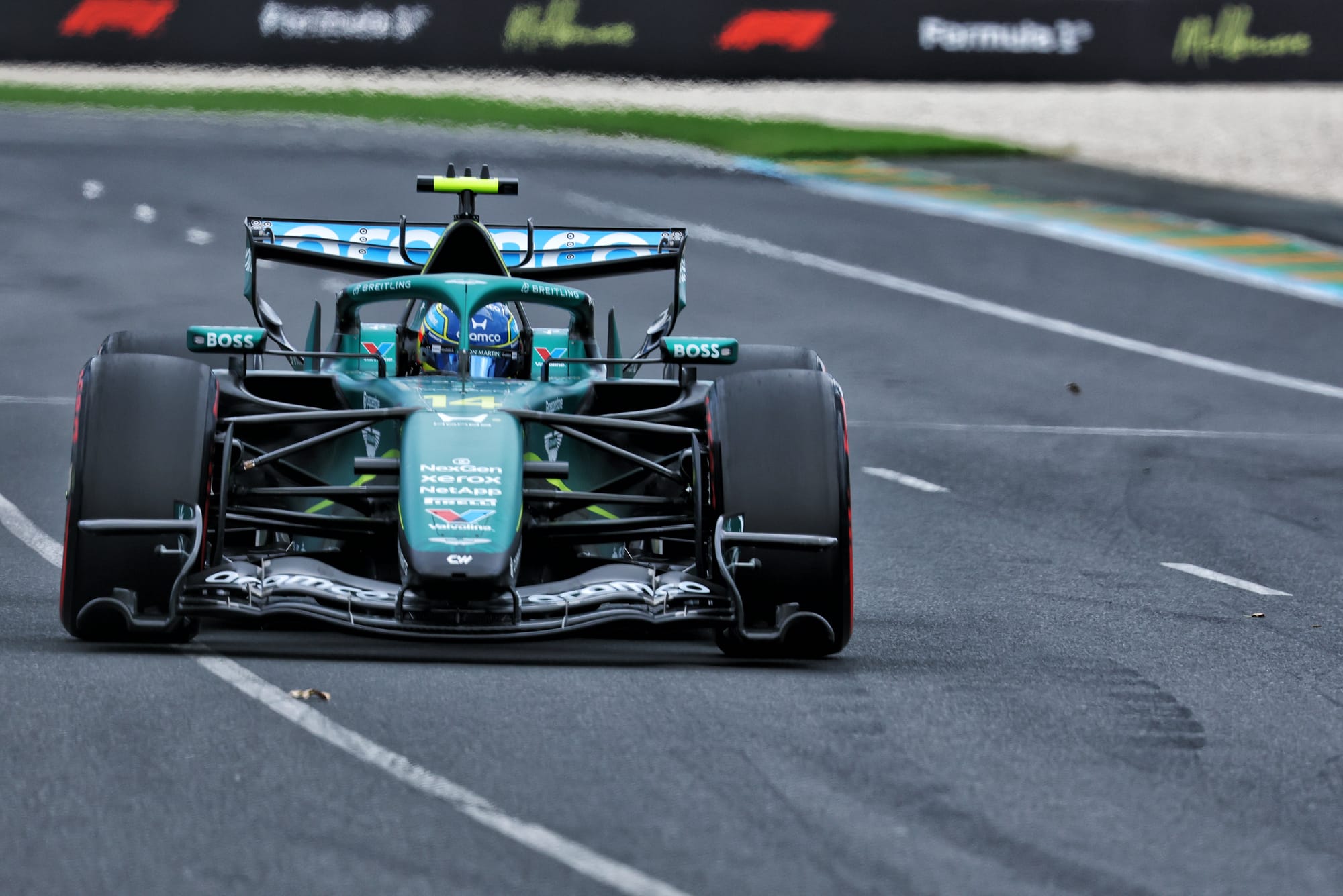
The core of the "Survival Mode" strategy lies in the Energy Store (ES). In modern F1, the battery isn't just a part; it’s the heart of the car’s recovery system. During the early rounds and subsequent testing, two of Aston Martin's four allotted Honda battery units suffered catastrophic internal failures. The culprit? A combination of "communication issues" between the battery management software and the MGU-K, compounded by severe vibrations that have physically compromised the internal cells.
For the Shanghai Sprint weekend, this creates a logistical nightmare. A Sprint weekend offers only one practice session before competitive running begins. Normally, teams would use FP1 to burn through high-mileage components to save fresh ones for the race. Aston Martin doesn't have that luxury. Every lap Fernando Alonso or Lance Stroll takes is a withdrawal from a very small bank of mechanical life.
"We are essentially 'short-shifting' our weekend," a senior engineer told me near the scales. "We can't afford a 'hiccup' in FP1. If we lose another battery unit here, we aren't just looking at a grid penalty; we’re looking at a car that might not be able to start the race on Sunday."
Beyond Batteries: The Vibration Threat
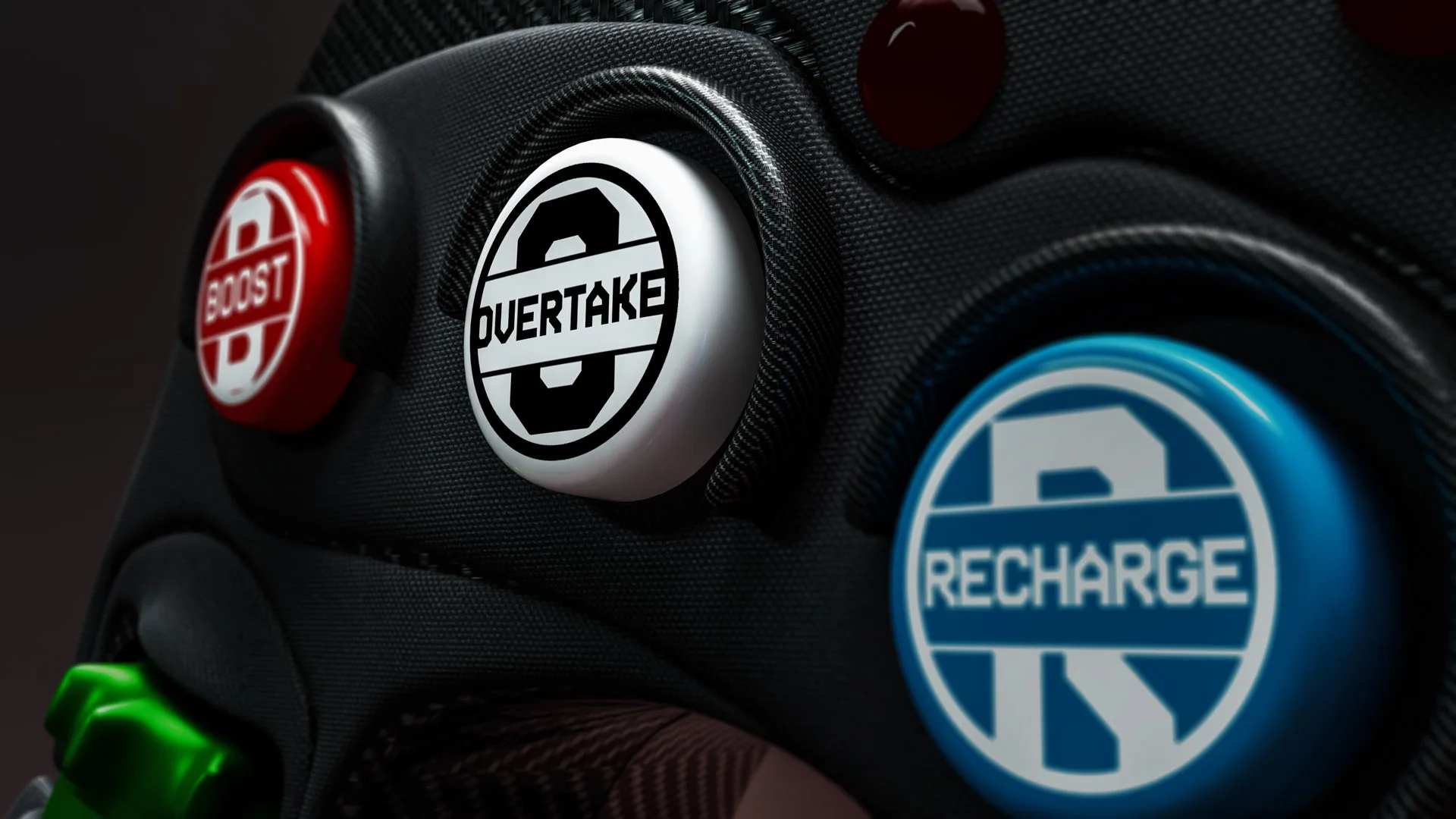
If the battery shortage is the "silent killer," the chassis vibrations are the "violent one." On-track, the AMR26 looks settled, but the data tells a different story. High-frequency harmonics stemming from the Honda Power Unit (PU) are not being adequately dampened by the AMR26’s engine mounts and rear-end packaging.
The results are visible if you look closely enough. During the last outing, we saw rear-view mirrors fluttering so violently they became useless, and LED light clusters on the rear wing literally vibrating out of their housings. But the technical failure is only half the story; there is a human cost.
The frequency of these vibrations is so high that drivers are reporting physical numbness and "tingling" after long stints. Internal team memos suggest a strict threshold for "safe" exposure:
- Fernando Alonso: 25-lap threshold before significant physical degradation.
- Lance Stroll: 15-lap threshold.
The AMR26 lacks the sophisticated damping required to isolate these frequencies. In the cockpit, it’s like holding a high-powered industrial sander for 90 minutes. It’s not just about the car falling apart; it’s about the driver's ability to maintain precision while their nervous system is being hammered.

Sitting Ducks on the Shanghai Straight
Shanghai features one of the longest straights on the calendar, and this is where Aston Martin’s reliability crisis translates into a performance deficit. To preserve the remaining battery units, the engineers have had to "detune" the energy deployment.
In Melbourne, we saw the AMR26 suffer from "super-clipping"—where the electrical boost cuts out halfway down the straight because the system is trying to protect the battery from overheating or over-discharging. This makes the car a "sitting duck."
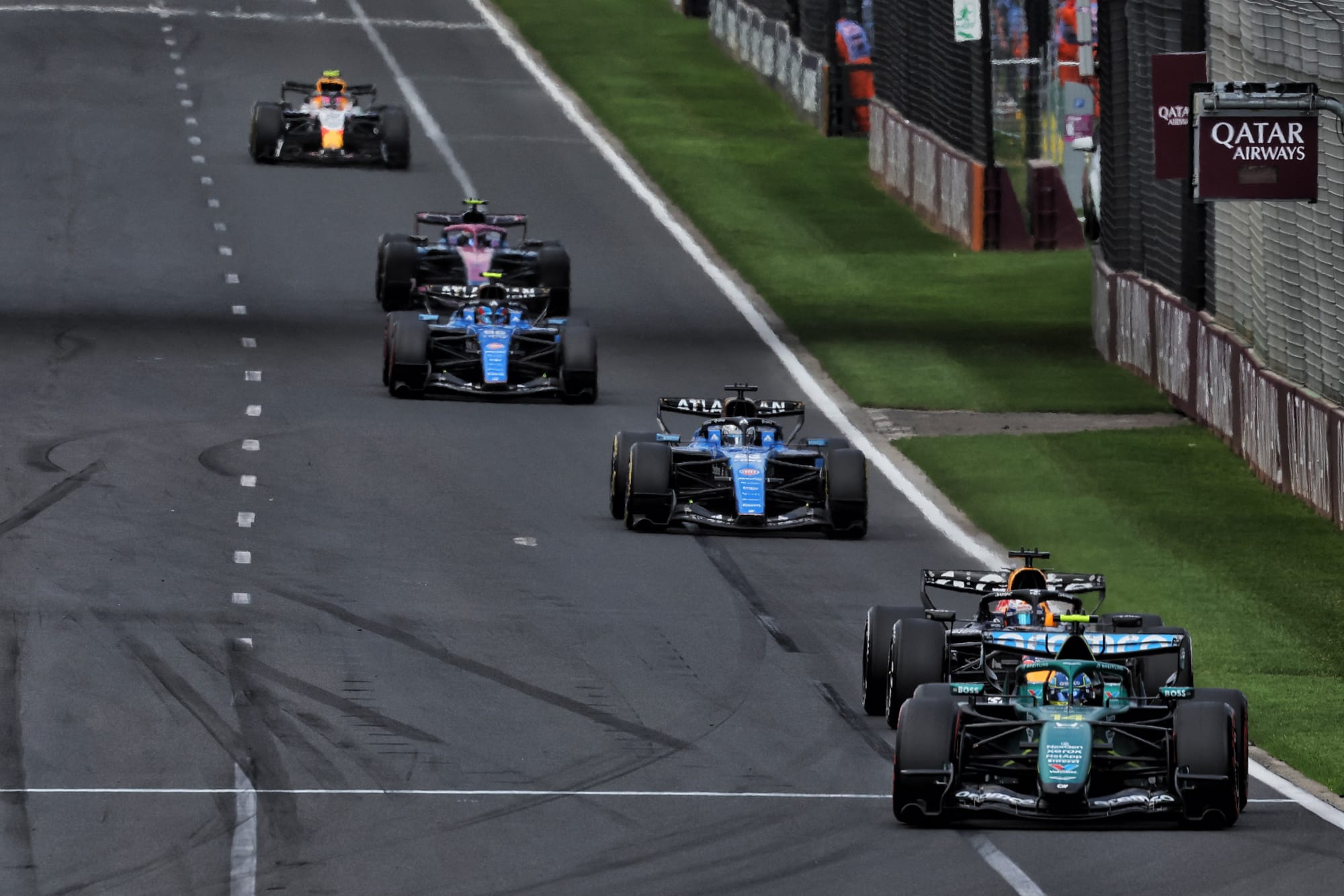
Even with DRS open, the AMR26 is struggling to defend against the Audi-backed Sauber and the slippery Williams. If they can't deploy full ERS power for the duration of the 1.2km straight, they aren't racing for points; they are racing to avoid being lapped. The objective for Shanghai has shifted from the podium to "Square One": finishing the race with the hardware intact.
The Silver Lining: Newey’s 5th Best Chassis Claim
It’s easy to look at the mounting failures and see a team in freefall, but Adrian Newey sees something else. Despite the vibration issues and the battery crisis, Newey has identified the AMR26 as the 5th-best chassis on the grid based on early performance metrics and wind-tunnel correlation.
When the car is within its narrow setup window—as it was for a brief period in Melbourne—it gained nearly two seconds of pace almost overnight. The aerodynamic platform is incredibly stable under braking and offers a level of mid-corner rotation that the team has lacked for years. The "bones" of a winner are there; they are just currently wrapped in a fragile skin.
The roadmap out of this crisis is clear, if difficult. A permanent fix for the vibration issues is scheduled for the Japanese Grand Prix, involving a redesigned rear-suspension carrier and new PU mounting points. Following that, a major European "B-spec" upgrade aims to resolve the energy management software issues. For now, however, the team must survive the long straights and bumpy surfaces of Shanghai.
FAQ
Q: Why is Aston Martin specifically struggling with batteries while other Honda-powered teams are not? A: While the Power Unit is the same, the integration is unique to each team. Aston Martin’s specific chassis harmonics and rear-end packaging are creating a "resonance loop" that physically damages the battery cells, a problem not currently seen in the same intensity at other teams.
Q: Can Fernando Alonso still finish in the points while in 'Survival Mode'? A: It is possible, but it requires a high-attrition race. If Alonso can qualify well and use the car’s high-speed cornering advantage to build a gap before the straights, he can mitigate the "clipping" issues. However, the priority remains finishing the race over aggressive overtaking.
Q: What happens if they lose another battery unit in Shanghai? A: A third battery failure would likely trigger a 10-place grid penalty for the subsequent race and could potentially force the team to withdraw one car if they cannot source or repair a unit in time, given the tight logistics of the Asian leg of the tour.
Are we witnessing the birth pains of a future champion, or is Aston Martin's 2026 trajectory hitting a wall? Share your thoughts on whether the AMR26 can survive the Shanghai straights below.