Quick Facts
- Total Scope: Approximately 1,049,883 vehicles identified in the United States.
- Affected Models: Focuses on 2023–2026 CR-V Hybrid, 2025–2026 CR-V Fuel Cell EV, and 2023–2026 Accord Hybrid models.
- Core Danger: A manufacturing defect in the flat tire repair kit (TRK) allows internal pressure buildup, potentially causing the bottle cap to detach as a high-velocity projectile.
- Reported Incidents: As of early 2026, there have been 53 warranty claims and eight injury reports linked to this specific hazard.
- Remedy Strategy: Authorized dealers will provide a free inspection and replacement of the sealant bottle or nozzle with an updated two-way valve mechanism.
- Owner Action: Drivers should immediately utilize the honda recall lookup by vin number tool on the Honda or NHTSA websites.
The 2026 honda recall impacts approximately 1.05 million vehicles across the CR-V and Accord Hybrid lineups. This safety recall is caused by a manufacturing defect in the flat tire repair kit (TRK), where pressure build-up can cause the bottle cap to act as a projectile. Owners can verify their specific status by performing a honda recall lookup by vin number through official automotive safety regulators or the Honda owner portal to schedule their free dealership inspection.
The Issue: Internal Pressure Buildup and Projectile Hazards
As a maintenance editor, I often stress that reliability isn't just about the engine and transmission; it is about the safety of every component tucked into your trunk. The current honda recall centers on a technical failure within the tire repair kit (TRK) provided with many modern hybrids that lack a traditional spare tire. In these vehicles, rather than a physical wheel, owners are given a sealant bottle and a compressor.
The technical root of the problem is a supplier manufacturing fault involving the relief valve adjustment within the tire sealant bottle. Under certain conditions, an improper connection prevents the kit from venting pressure correctly. This leads to an intense internal pressure buildup. If a consumer attempts to use the kit, or if the bottle is agitated under high pressure, the bottle cap can detach with enough force to become a projectile hazard.
According to data monitored by automotive safety regulators like the National Highway Traffic Safety Administration (NHTSA), this is not merely a theoretical risk. In the United States alone, American Honda Motor Co. has documented 53 warranty claims and eight injury reports specifically related to these faulty tire repair kit components as of June 2026. For an owner, this means a tool meant to help you in an emergency could instead cause significant harm during a roadside repair.
Impacted Models: Identifying the honda recall 2026 Scope
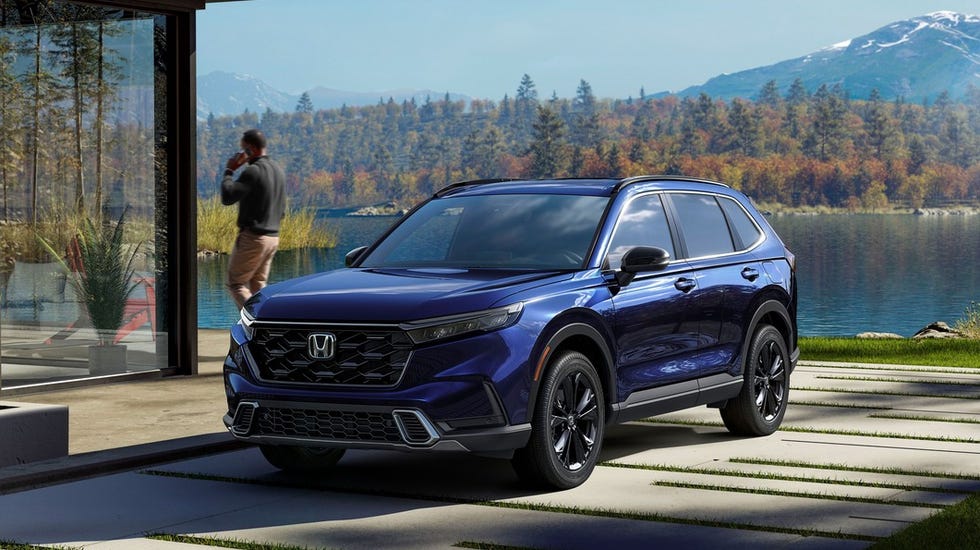
If you are driving a recent-model Honda hybrid, you need to be aware of the specific production dates involved in this campaign. This isn't a blanket recall for all Hondas, but it covers a massive volume of their most popular electrified vehicles. American Honda Motor Co. is officially recalling 1,049,883 vehicles in the United States, highlighting the scale of this production oversight.
When we look at honda recalls by year, the 2023 through 2026 window has seen several significant updates, but the tire sealant issue is unique because it spans almost the entire current generation of the CR-V and Accord Hybrids.
| Model | Model Years Affected | Recovery Priority |
|---|---|---|
| Honda CR-V Hybrid | 2023, 2024, 2025, 2026 | High - High Volume Model |
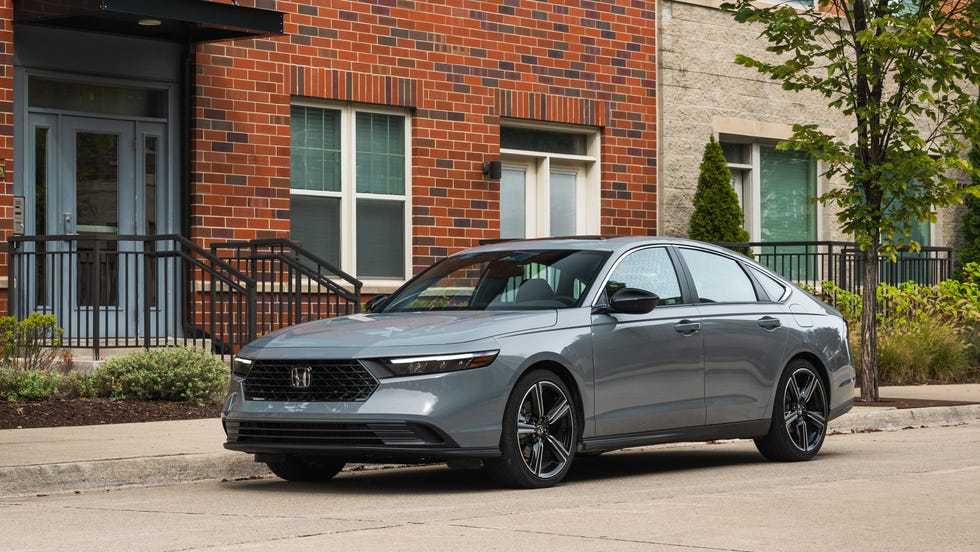
| Honda Accord Hybrid | 2023, 2024, 2025, 2026 | High - Popular Sedan |
| Honda CR-V Fuel Cell EV | 2025, 2026 | Medium - Limited Production |
To ensure your vehicle is compliant with current safety standards, the first step is a vehicle owner notification check. You can find your 17-character Vehicle Identification Number (VIN) on the driver’s side dashboard or the driver’s side door jamb. Once you have it, visit the official Honda recall portal. Relying on a honda recall lookup by vin number is the only way to be 100% certain if your specific unit was equipped with the defective sealant bottle from the Tier 1 supplier during the assembly process.
The Remedy: Dealer Inspection and Nozzle Replacement Instructions
From a maintenance perspective, the good news is that the fix for this honda recall is relatively straightforward and does not involve invasive mechanical work on your engine or drivetrain. The remedy focuses entirely on the tire repair kit located in the trunk area.
When you bring your vehicle to an authorized dealership, technicians will perform a dealership inspection of the TRK. If the kit is identified as part of the defective batch, the dealer will replace the tire repair kit nozzle or the entire sealant bottle. The replacement components feature a newly designed two-way valve mechanism.
This two-way valve is the critical engineering fix; it ensures that pressure cannot accumulate to a dangerous level, allowing the bottle to vent safely while still remaining functional for its intended purpose. Per federal law and Honda’s own reliability best practices, this service is performed free of charge. Most owners report that the service takes less than an hour, though it is always wise to call ahead to ensure the dealership has the updated kits in stock before you arrive.
Scheduling this fix is a vital part of long-term ownership. While it might seem like a minor accessory, maintaining the safety standard compliance of your vehicle preserves its resale value and, more importantly, ensures that you aren't carrying a projectile hazard in your trunk every time you drive.
Broad Safety Context: Corrosion and Crash Tests
While the honda recall 2026 news is currently making headlines, it is important for owners to look at the broader safety and maintenance landscape for these vehicles. This tire sealant issue comes on the heels of other recent honda recalls that have targeted different segments of their fleet.
For example, Honda previously managed a significant campaign for over 800,000 older SUV models regarding rear suspension corrosion. That issue was localized to "salt states" where winter road treatments led to premature frame decay. In contrast, the current honda cr-v hybrid tire repair kit recall is a nationwide manufacturing defect unrelated to climate or geographic location.
Furthermore, safety-conscious owners should balance this information with recent crash test data. While the CR-V remains a Top Safety Pick, some automotive safety regulators and organizations like the IIHS have recently updated their testing for rear-passenger protection. In some of the latest moderate overlap front crash tests, the CR-V received a "Poor" rating for rear passenger restraints, specifically regarding the potential for submarining or high lap-belt tension.
As an editor focused on the total ownership experience, I recommend viewing this honda recall as part of a preventative maintenance routine. By staying proactive with recent honda recalls list 2026 updates and addressing hardware issues like the TRK nozzle immediately, you mitigate the long-term risks associated with modern, high-tech vehicles.
FAQ
Which Honda vehicles are being recalled?
The most recent major campaign includes approximately 1.05 million vehicles in the U.S. Specifically, this involves the 2023-2026 Honda CR-V Hybrid, the 2023-2026 Honda Accord Hybrid, and the 2025-2026 Honda CR-V Fuel Cell EV. These models are being flagged due to a defect in their tire repair kits which could cause the sealant bottle to explode.
What year to stay away from Honda?
While Honda is generally known for high reliability, certain years have more reported issues. Owners often suggest caution with 2016-2018 models that utilized the 1.5L turbocharged engine due to oil dilution concerns, as well as 2001-2005 models for transmission failures. However, for current shoppers, the 2023-2026 hybrid models remain excellent vehicles provided that the current honda recall for the tire repair kit is addressed promptly at a dealership.
Which year is Honda most reliable?
The 2012-2015 Honda Civic and the 2011-2012 Honda CR-V are frequently cited by mechanics and reliability experts as some of the most robust vehicles the company has produced. These years benefited from simpler naturally aspirated engines and traditional automatic transmissions before the widespread move toward complex hybrid systems and CVTs, which require more specific maintenance.
What is the most recalled car of all time?
Historically, Ford and Chrysler vehicles have often topped the lists for the highest number of recalls in a single calendar year. However, the Takata Airbag recall remains the largest automotive safety event in history, affecting tens of millions of vehicles across almost all major brands, including Honda, Toyota, and BMW. In terms of a specific model, recent honda recalls list 2026 entries like the CR-V are significant but do not reach the record-setting numbers seen during the Takata era.