Quick Facts
- The Cover Star: Road & Track Volume 31 features the Ferrari 499P, the 2024 Le Mans winner, shown in its authentic, race-worn state.
- F1 Evolution: A deep dive into the 2026 Formula 1 regulations reveals a significant shift toward active aerodynamics and a 50/50 power split.
- The Outsider: This issue highlights the McLaren F1, a car never intended for the track that went on to secure a legendary win at the 24 Hours of Le Mans.
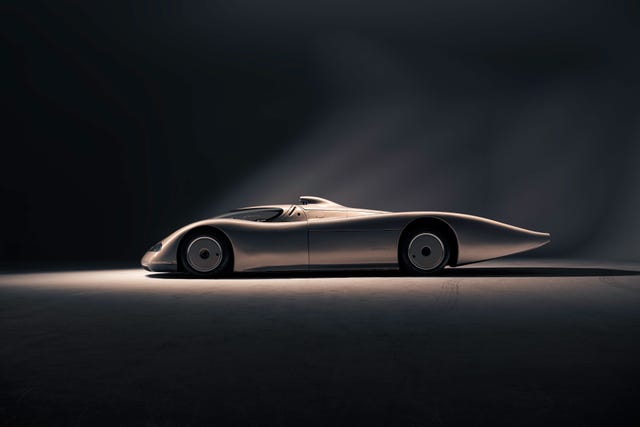
- Technical Legends: Features include the 'Born Slippy' retrospective on the Oldsmobile Aerotech and an analysis of extreme 2JZ engine modifications.
- The Core Philosophy: Endurance racing is defined by mechanical reliability, driver stamina, and the ability to manage a vehicle through a 24-hour cycle of degradation.
Endurance racing is a form of motorsport designed to test the durability of equipment and the stamina of participants over long distances and timeframes, such as 24-hour events. This discipline demands a unique balance of raw speed and steely resolve, where teams must navigate the triple crown of endurance racing with a focus on fuel efficiency and tire management. Unlike the sprint format of Formula 1, success here is measured by how well a machine holds together after thousands of gear changes and grueling night-time stints.
The Filth and the Glory: Le Mans Reality
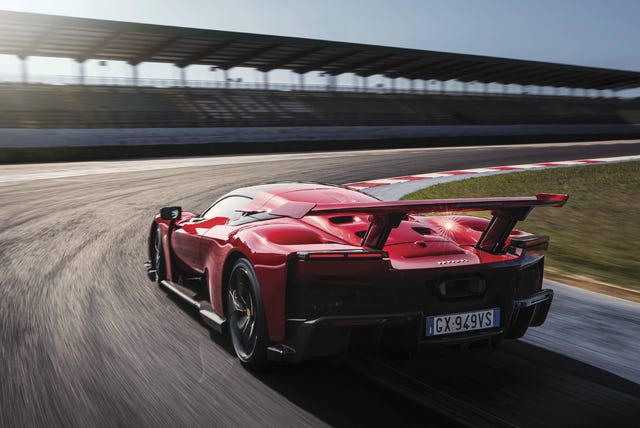
When you look at the cover of Road & Track Volume 31, you aren't seeing a pristine trailer queen. You are looking at the Ferrari 499P exactly as it finished its 24-hour marathon at the Circuit de la Sarthe. It is covered in rubber marbles, oil streaks, and the grime of a hundred high-speed battles. This aesthetic of "filth" is a badge of honor in endurance racing. It represents a machine that has survived the most punishing environment in sports.
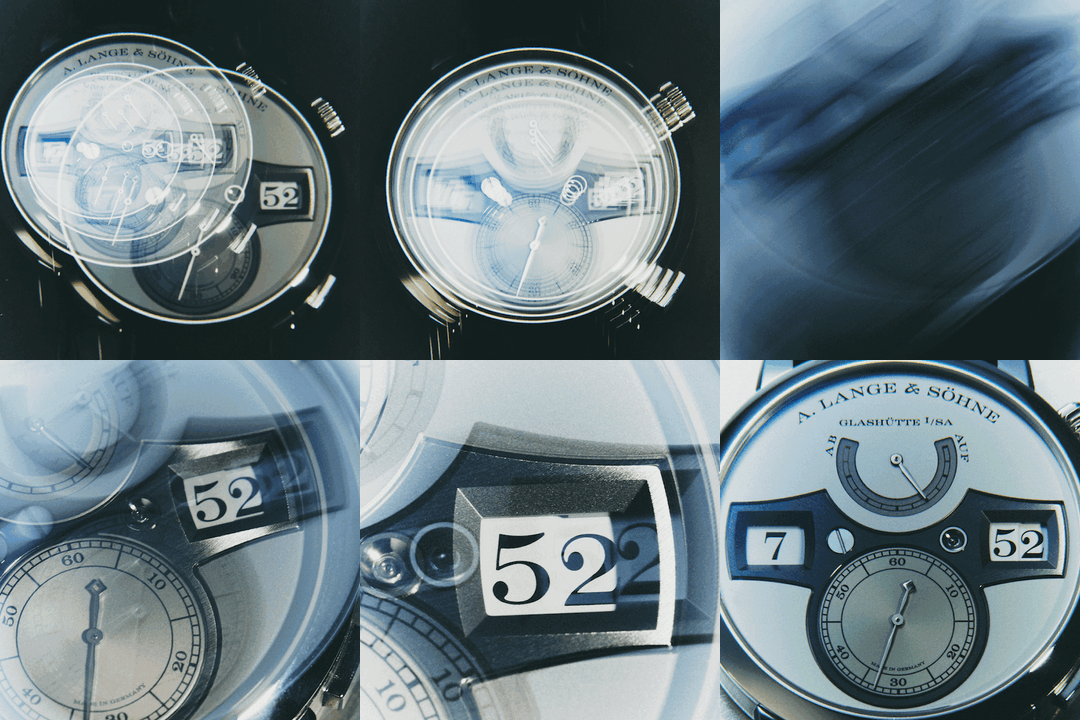
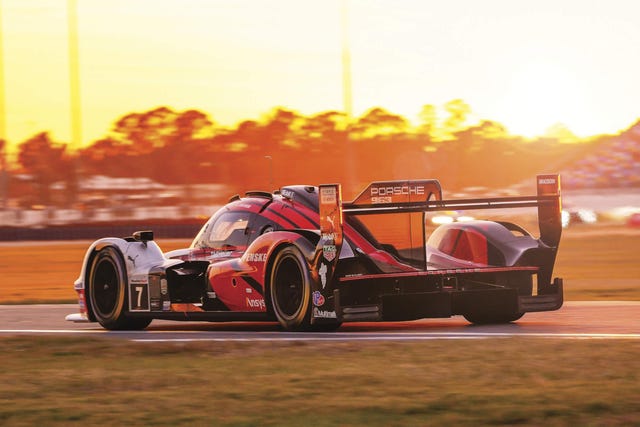
There is a striking contrast in this issue between the grit of the track and the world of high-end precision. While a Hypercar category entry like the Ferrari is built to be used and abused, the issue also looks at the Lange & Söhne Zeitwerk, a timepiece valued at $126,800. Both are feats of engineering, but they serve different masters. One is meant for the controlled environment of a collector's wrist; the other is built to scream through the night-time racing hours at 200 mph.
If you are wondering where to watch endurance racing to see this grit in person, the FIA WEC remains the gold standard, offering a front-row seat to the evolution of the modern racing prototype.
Technical Evolution: Endurance Racing vs F1 2026
The motorsport world is currently standing on the edge of a massive technical shift. As we look toward the future, the endurance racing vs f1 debate takes on new life with the upcoming 2026 F1 regulations. While endurance racing has long embraced the hybrid powertrain to balance performance and efficiency, Formula 1 is now moving toward a more radical integration of electric power and active aerodynamics.
The 2026 F1 changes are designed to make cars more nimble while maintaining the high-speed spectacle fans expect. We are looking at a 30kg weight reduction and a smaller wheelbase, paired with a sophisticated 50/50 power split between the internal combustion engine and the MGU-K.
| Feature | 2025 F1 Regulations | 2026 F1 Regulations |
|---|---|---|
| Minimum Weight | 798 kg | 768 kg |
| Wheelbase | 3600 mm | 3400 mm |
| Power Split | Primarily ICE | 50% ICE / 50% Electric |
| Active Aero | DRS only | X-Mode & Z-Mode |
The introduction of X-mode and Z-mode is perhaps the most fascinating development. Z-mode uses high-downforce settings for cornering, while X-mode flattens the wings for maximum aerodynamic efficiency on the straights. This level of telemetry analysis and real-time adjustment mirrors the complexity we see in the FIA WEC, where engineers must constantly monitor car health over thousands of miles.
The Human Factor: Training for the Long Stint
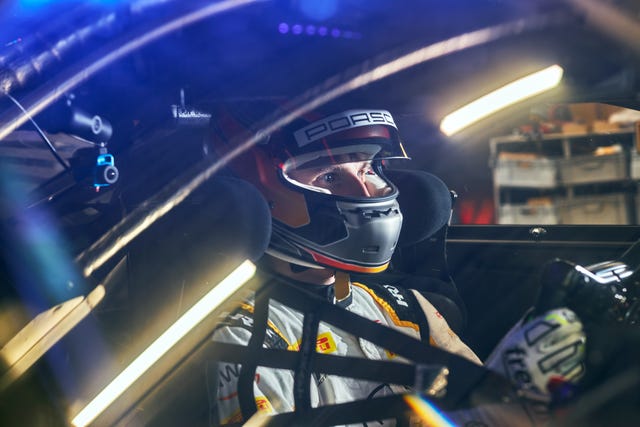
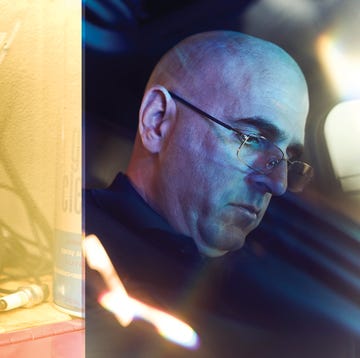
In endurance racing le mans, the car is only half the story. The physical training for endurance racing drivers is what keeps the machine on the track when the sun goes down and the temperature drops. Unlike a sprint driver who might be in the car for 90 minutes, an endurance pilot has to endure multiple stints over 24 hours.
The physical toll is immense. Drivers must focus on strengthening their neck muscles to withstand sustained G-forces through high-speed curves like the Porsche Curves. Beyond the physical, there is the mental hurdle of cognitive fatigue. Managing focus during the transition from dusk to dawn is a skill that only comes with experience.
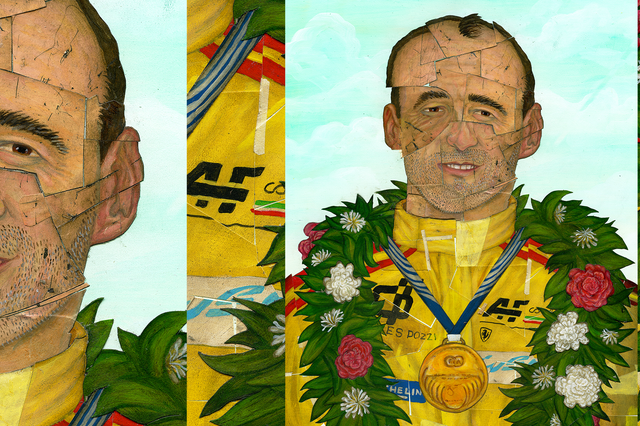
Driver rotation is a tactical dance. Teams must decide who takes the wheel when the track is green and who handles the treacherous night-time racing shifts. It’s not just about raw speed; it’s about who can maintain a consistent lap time while navigating traffic and deteriorating track conditions. When a driver is exhausted, their reaction times slip, and in the Hypercar category, a split-second lapse can be catastrophic.
Mechanical Grit: Gearboxes and G-Forces
Endurance racing car durability is the ultimate goal for every engineer in the paddock. Volume 31 dives into the mechanical guts of these machines, from the endurance racing gearbox maintenance required to survive 3,000 miles of racing to the legendary powerplants that define the sport.
A great example of mechanical reliability mentioned in this issue is the Toyota 2JZ engine. While primarily known for its role in street tuning, its over-engineered block and internal components make it a prime candidate for any discussion on engines that refuse to die under pressure.
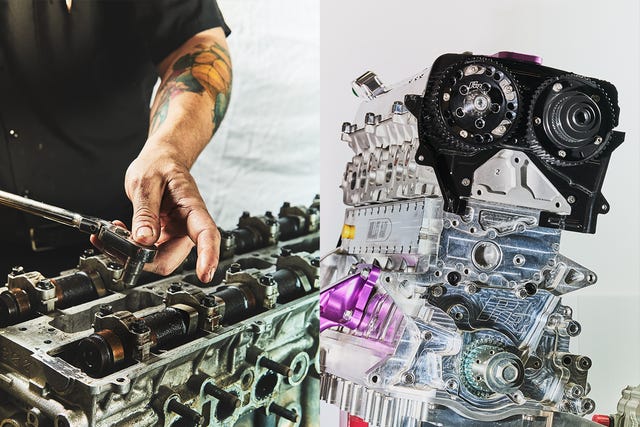
The gearbox is often the Achilles' heel of an endurance car. During a 24-hour race, a driver might shift gears over 20,000 times. Every one of those shifts is a moment where a mechanical failure could end the race. Teams utilize specialized pit strategy and real-time sensors to monitor gear wear, sometimes even adjusting shift points mid-race to preserve the transmission.
Finally, we can't talk about endurance without looking at the pursuit of speed. The Oldsmobile Aerotech, featured in this volume, was a prototype chassis designed for one thing: shattering speed records. It remains a masterclass in aerodynamic efficiency, proving that even decades ago, engineers were obsessed with how air moves over a car to maintain stability at extreme velocities.
FAQ
What is endurance racing?
Endurance racing is a form of motorsport where the primary goal is to cover the greatest distance in a set amount of time or to complete a fixed long distance as quickly as possible. These races typically last anywhere from 6 to 24 hours, testing the mechanical reliability of the car and the physical and mental stamina of a multi-driver team.
What are the top 3 endurance races?
The most prestigious events are often considered to be the 24 Hours of Le Mans, the 24 Hours of Daytona, and the 12 Hours of Sebring. These three races form the informal triple crown of endurance racing, representing the pinnacle of the sport in terms of history, difficulty, and prestige.
Which is faster, F1 or Le Mans?
In terms of raw lap time on a traditional circuit, a Formula 1 car is significantly faster due to its lighter weight and higher downforce-to-drag ratio. However, a Le Mans Hypercar is designed for sustained top speeds and long-distance durability, whereas an F1 car is a sprint machine optimized for short bursts of maximum performance.
Is endurance racing harder than F1?
It depends on how you define "hard." F1 requires more intense physical exertion over a short period due to higher G-forces and a more reactive driving style. Endurance racing is a test of attrition; it requires drivers to maintain high levels of focus for much longer periods, often in pitch-black conditions, while managing a car that is literally falling apart around them.
What's the hardest endurance race?
Many consider the 24 Hours of Le Mans to be the hardest due to the high speeds of the Circuit de la Sarthe and the immense pressure of the global stage. However, the 24 Hours of Nürburgring is also a candidate, as it features over 150 turns per lap on a narrow, treacherous track with unpredictable weather.