Our Top Picks
- Best for Extreme Terrain: The SasquatchXC Highland 60 offers unmatched durability with its proprietary independent suspension and high-clearance chassis designed for the most technical backcountry routes.
- Best for Lightweight Towing: The Runaway Venturist remains the gold standard for minimalist travel, providing a rugged frame at a weight that almost any 4x4 vehicle can handle with ease.
- Best for Off-Grid Autonomy: The Pause XC22.4 redefines the boondocking base camp with massive solar panel integration and lithium battery storage capable of powering remote adventures for weeks.
A capable overland trailer is defined by structural integrity and off-road performance. High-quality models feature a robust chassis, independent trailing-arm or axle-less suspension systems, and significant ground clearance for navigating technical terrain. All-aluminum construction and articulating multi-axis hitches are critical for maintaining a favorable weight-to-towing ratio and ensuring the trailer can follow a tow vehicle through remote backcountry environments.
Defining the Micro Overland Trailer: 2026 Standards
The landscape of remote travel is shifting toward smaller, more efficient footprints. As we look at the 2026 market, the global camping trailer market, which includes compact and teardrop models, was valued at approximately USD 3.625 billion in 2024 and is projected to grow to USD 6.207 billion by 2035. This growth is largely fueled by a demographic shift, as Gen Z and millennials are the primary drivers of the industry's growth, accounting for 61% of all new campers in 2024.
For these adventurous drivers, the appeal lies in micro campers for minimalist camping. These units are characterized by their ultra-lightweight design, typically weighing between 400 and 2,000 pounds, allowing them to be towed by most standard passenger vehicles and even some small SUVs. This weight-to-towing ratio is vital for maintaining the agility of the primary 4x4 vehicle on narrow, overgrown trails where a full-sized RV would be a liability.
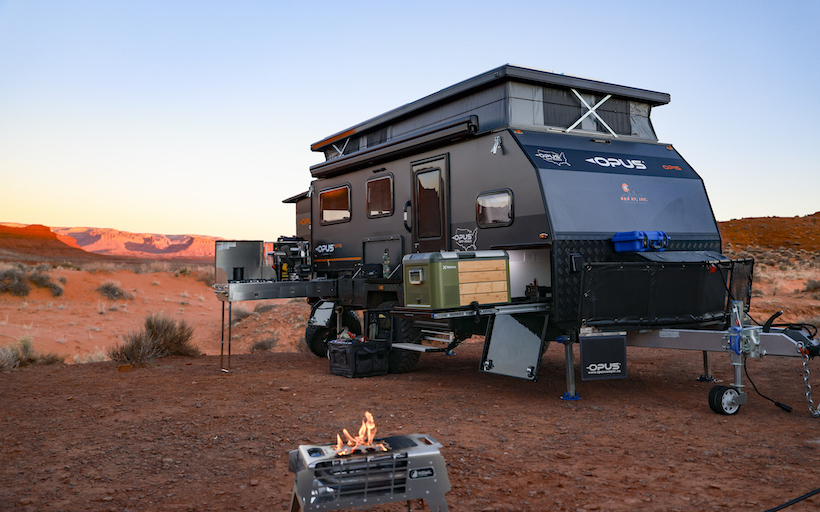
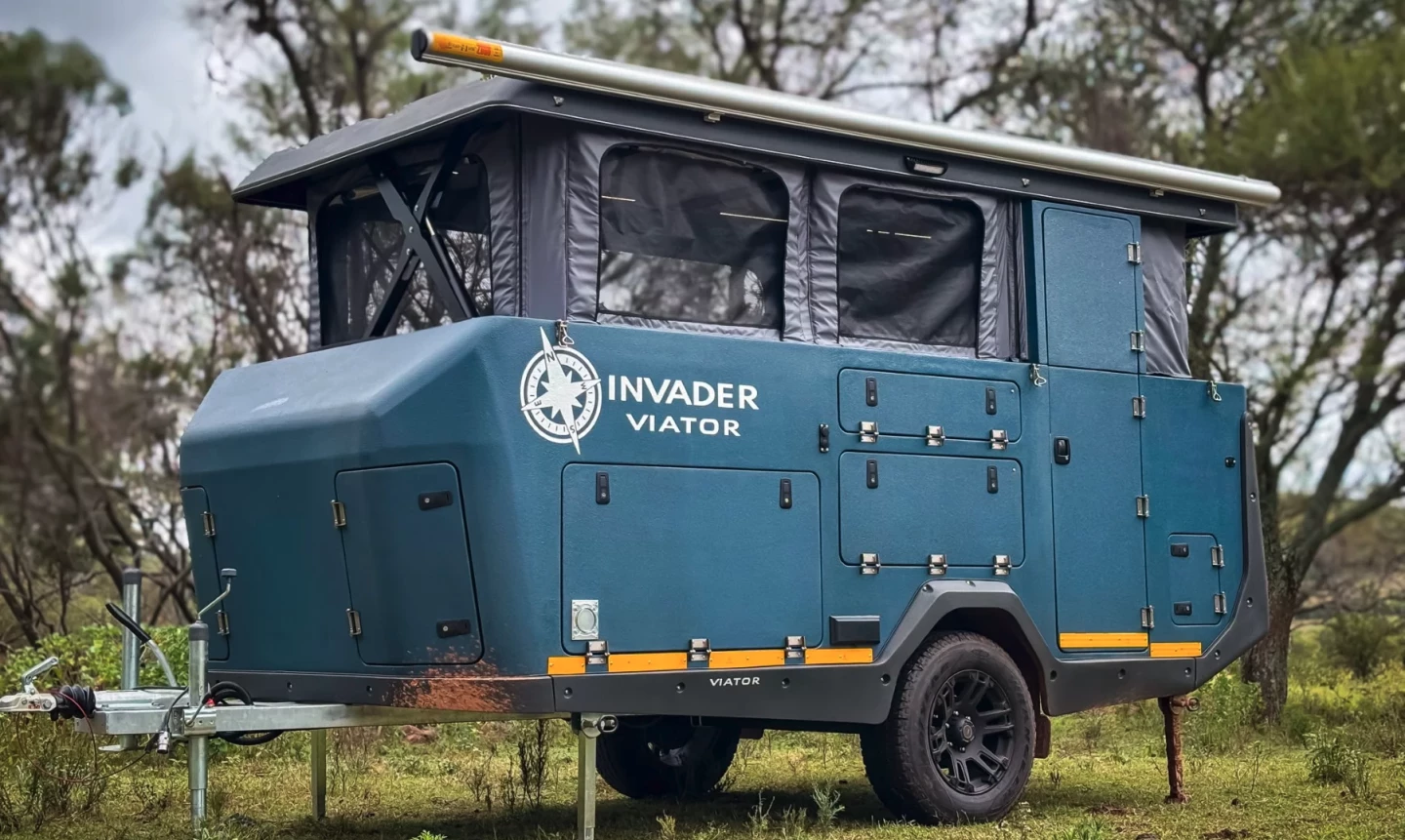
Modern compact off-road trailers are no longer just "boxes on wheels." They are sophisticated pieces of engineering. By utilizing all-aluminum construction and high-clearance chassis designs, manufacturers are providing a dedicated sleeping area and organized gear storage without the bulk of traditional RVs. This facilitates easier maneuvering on narrow trails while supporting quick camp setups and teardowns, allowing you to spend more time exploring and less time leveling jacks.
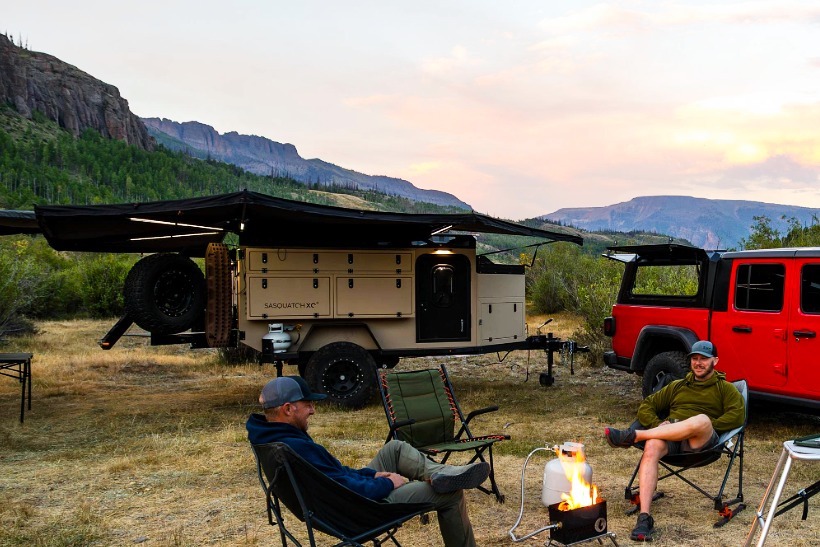
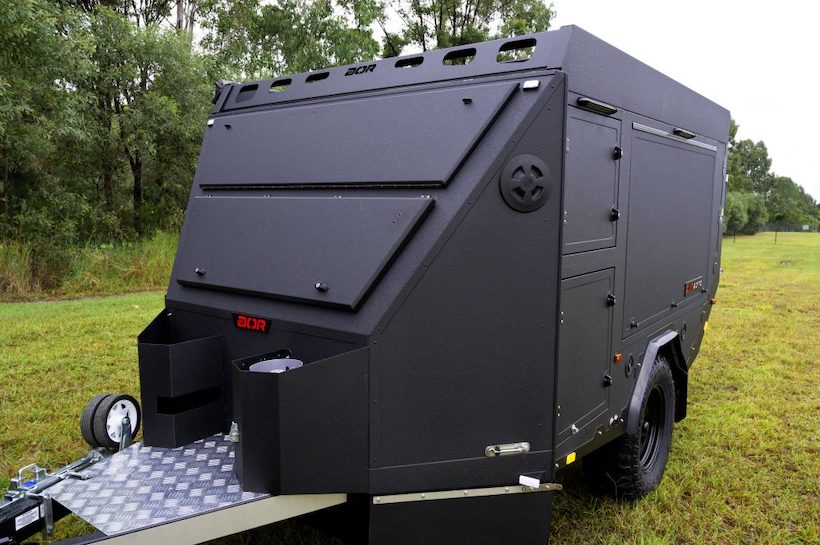
1. Best for Extreme Terrain: SasquatchXC Highland 60
When your definition of a trail involves rock crawling and steep washouts, you need a trailer that doesn't just survive but thrives. The SasquatchXC Highland 60 is built specifically for those who push their 4x4 off-road camper trailers to the limit. Its backbone is a custom-engineered chassis paired with their proprietary Bigfoot suspension system, which offers incredible travel and stability on uneven surfaces.
This trailer excels because it addresses the physics of off-roading. The inclusion of an articulating multi-axis hitch allows the trailer to rotate independently of the tow vehicle, preventing the trailer from acting as a lever that could potentially flip or destabilize your SUV on technical obstacles. Furthermore, the use of Timbren axle-less systems or similar independent trailing-arm suspension ensures that if one wheel hits a rock, it doesn't transmit that shock across the entire axle to the other wheel.
Specs at a Glance
| Feature | Specification |
|---|---|
| Dry Weight | 1,450 lbs |
| Ground Clearance | 22 inches |
| Suspension | Proprietary Independent Coil |
| Frame Material | Powder-coated Steel / Aluminum |
Best For: Serious expedition overland trailers enthusiasts.
- Pros: Incredible departure angles, massive ground clearance, and a robust external galley system.
- Cons: Premium pricing and a waitlist that reflects its popularity among elite overlanders.
2. Best for Lightweight Towing: Runaway Venturist
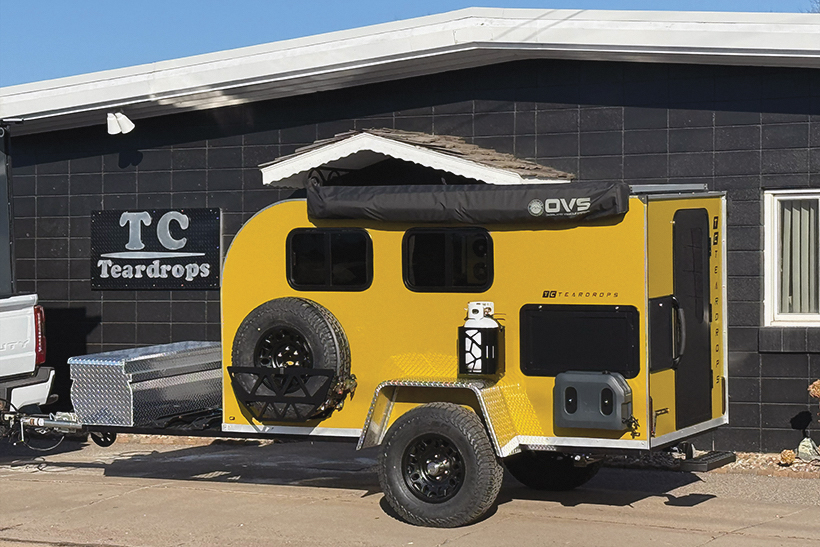
Minimalism is the soul of the Runaway Venturist. For many jeep overland trailers owners, the goal is to keep the setup as light as possible to preserve fuel economy and climbing ability. The Venturist is a masterclass in restraint, often weighing in under 1,000 lbs depending on the configuration. It provides a hard-sided, insulated shell that keeps you protected from the elements while remaining small enough to tuck behind a mid-sized SUV without the need for massive towing upgrades.
The brilliance of these overland teardrop trailers is their simplicity. Rather than cramming a bathroom and kitchen inside, the Venturist utilizes external galley systems and roof racks for gear organization solutions. This keeps the interior dedicated to a comfortable sleeping space, which is exactly what a minimalist camper needs after a long day of driving.
Specs at a Glance
| Feature | Specification |
|---|---|
| Dry Weight | 850 - 1,050 lbs |
| Ground Clearance | 14 - 16 inches |
| Suspension | Timbren Axle-less 2,000 lb |
| Hitch | Max-Coupler Articulating |
Best For: Solo explorers and Jeep owners who prioritize agility.
- Pros: Extremely lightweight, very affordable compared to expedition rigs, and easy to garage.
- Cons: Limited interior headroom and fewer integrated utility systems.
3. Best for Off-Grid Autonomy: Pause XC22.4
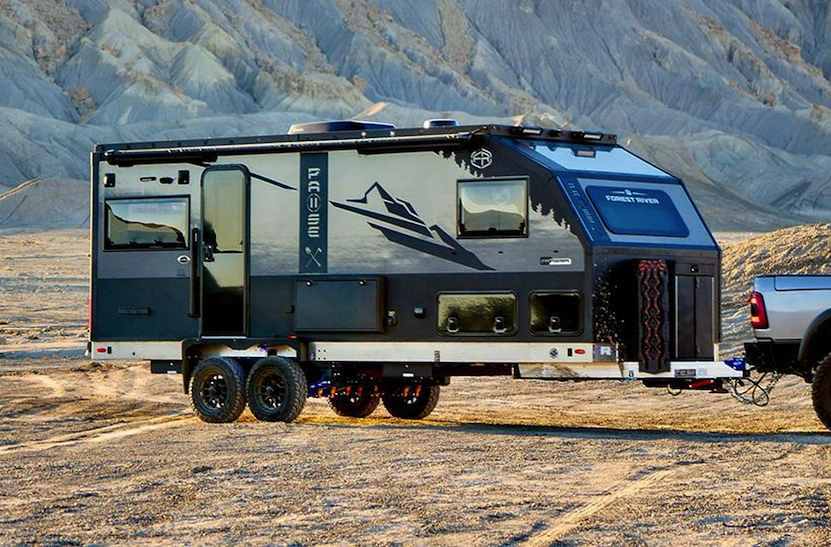
True off-grid self-sufficiency requires a robust energy and water strategy. The Pause XC22.4 is essentially a mobile power station. Designed for the 2026 market, it integrates high-capacity lithium battery storage with roof-mounted solar panel integration that can reach over 1,000 watts. This allows travelers to remain independent of established infrastructure for extended periods, running fridges, lights, and even climate control systems deep in the backcountry.
Beyond power, this overland camper trailer features sophisticated potable water management systems. It often includes large fresh-water reservoirs and integrated filtration, ensuring you have enough resources for long-duration boondocking. The chassis is equally impressive, featuring a high-clearance design that ensures the sensitive electrical components are kept far away from trail hazards.
Specs at a Glance
| Feature | Specification |
|---|---|
| Dry Weight | 1,950 lbs |
| Battery Capacity | 600Ah - 1200Ah Lithium |
| Solar Array | 800W - 1200W Integrated |
| Suspension | Air Suspension with leveling |
Best For: Tech-forward travelers seeking the best overland trailers 2026 has to offer.
- Pros: Massive power reserves, high-end interior finishes, and superior insulation.
- Cons: On the heavier side of the "micro" category and requires a vehicle with a higher towing capacity.
4. Best Versatility: Taxa Outdoors TigerMoth
The TigerMoth is known for its "NASA-inspired" design, which focuses on utility and space efficiency. It is one of the most unique lightweight overland trailers on the market because of its large side hatch that opens the entire interior to the outdoors. This design philosophy blurs the line between a trailer and a boondocking base camp, providing a functional hub for cooking, sleeping, and gear repairs.
5. Best Customization: Hiker Trailer Extreme Off-Road
If you have specific needs for your expedition overland trailers, Hiker Trailer offers a "build your own" approach. You can start with a basic shell and add features like independent trailing-arm suspension or a high-clearance chassis as your budget allows. This flexibility makes it a favorite for DIY enthusiasts who want a professional-grade frame but want to handle their own gear organization solutions inside.
6. Best All-Weather: Boreas Campers XT
For those who don't stop adventuring when the snow falls, the Boreas XT offers a completely wood-free construction. By using composite materials and all-aluminum construction, they eliminate the risk of rot or mold. It comes standard with a Timbren axle-less systems setup, making it one of the most rugged "turn-key" options available for 4x4 off-road camper trailers.
7. Best Compact Design: Bean Stock
The Bean Stock takes the classic teardrop shape and reinforces it for the trail. It uses a one-piece fiberglass shell that is incredibly durable and leak-proof. While it looks stylish, its performance as a compact off-road trailers model is solid, thanks to its high-clearance chassis and optional off-road tire packages.
8. Best for Minimalists: Escapod Topo2
The Escapod Topo2 utilizes a vacuum-infused composite shell that is both lighter and stronger than traditional builds. It features a stunning external galley system that is a chef's dream in the middle of nowhere. It is a premium example of how overland trailers can offer luxury in a very small, minimalist package.
Buyer’s Guide: What to Look for in an Off-Road Trailer
Choosing from the variety of overland trailers available requires a deep dive into the technical specifications that affect trail performance. You aren't just buying a camper; you are buying a piece of equipment that must endure thousands of miles of vibrations and impacts.
First, consider the suspension. A standard leaf-spring axle is prone to bouncing on corrugated roads, which can rattle your gear to pieces. Look for independent trailing-arm suspension or Timbren axle-less systems. these allow each wheel to move independently, soaking up bumps and keeping the trailer stable. Ground clearance is another non-negotiable; you should aim for 14 to 18 inches to ensure you don't high-center on rocks or ruts.
Material choice is equally important. While wood is traditional, it is the enemy of longevity in off-road environments. Look for trailers using all-aluminum construction or composite materials like Azdel. These materials are lighter and won't rot if you encounter river crossings or heavy rain. Finally, ensure your rig has an articulating multi-axis hitch. This is the "secret sauce" that allows your trailer to follow your vehicle through twisted terrain without putting undue stress on the vehicle's frame.
FAQ
What is the difference between an overland trailer and a standard camper?
A standard camper is designed for paved roads and established campgrounds, often featuring a low-clearance chassis and leaf-spring axles that struggle on rough terrain. In contrast, an overland trailer is engineered with a high-clearance chassis, reinforced frames, and independent trailing-arm suspension to handle technical trails. They are built using more durable materials like all-aluminum construction to withstand the constant vibrations of off-road travel.
Are overland trailers worth the investment?
For the dedicated explorer, yes. They provide a dedicated boondocking base camp that is always packed and ready to go, saving hours of prep time. Because they are built to a higher standard of durability, they often hold their resale value much better than mass-produced RVs. They allow you to access remote locations where traditional campers simply cannot go, truly expanding your horizons.
What features are essential for an off-road trailer?
The essentials include a high-clearance chassis, all-terrain tires, and an articulating multi-axis hitch for technical maneuvers. For self-sufficiency, you should look for integrated lithium battery storage, solar panel integration, and a reliable potable water management system. A functional external galley system is also critical for maintaining a usable living space in a micro footprint.
Can a standard SUV tow an overland trailer?
Most modern SUVs with a towing capacity of 2,000 to 3,500 lbs can easily tow lightweight overland trailers. Because many micro campers weigh between 800 and 1,500 lbs, they fall well within the safety margins of vehicles like the Toyota RAV4 Adventure, Subaru Outback, or Jeep Cherokee. However, always check your vehicle's GVWR and tongue weight limits before hitting the trail.
What should I look for in an overland trailer suspension?
Look for systems that offer independent movement for each wheel, such as Timbren axle-less systems or coil-sprung trailing arms. These systems provide better ground clearance by eliminating the straight axle and offer a much smoother ride for your gear. High-quality shocks, like those from Fox or Icon, are also a major plus for dampening high-speed trail chatter.