Quick Facts
- Factory Output: 300 hp and 325 lb-ft of torque on premium fuel
- Stage 1 Gain: +30 hp and +80 lb-ft torque with a 93-octane tune
- Max Safe Torque: Approximately 420 lb-ft on stock internal components
- Top Upgrade: Custom ECU mapping paired with an upgraded intercooler
- Best Fuel: E30 ethanol blend for maximum performance and cooling
- Transmission Response: The 7-speed manual provides a more aggressive power band when tuned
The 2021 Ford Bronco's 2.3L EcoBoost is a powerhouse in waiting. While the factory numbers are solid, the right bronco performance upgrades can transform your rig from a capable cruiser into a high-horsepower trail beast. By optimizing airflow, cooling, and ECU mapping, owners can see significant torque gains without sacrificing daily drivability.
The Foundation: Understanding the 2.3L EcoBoost Architecture
To understand how to tune the 2.3L for massive power, you first have to respect its lineage. This engine shares a significant amount of EcoBoost engine architecture with the legendary Focus RS and the Mustang EcoBoost. It is a stout, turbocharged four-cylinder designed for high volumetric efficiency. In the Bronco, however, the mission is different. Instead of chasing a high-RPM scream, we are hunting for peak torque delivery to move those heavy 35-inch tires.
If your rig is equipped with the Sasquatch Package trim, you already have a head start with the 4.70 gearing, which helps manage the increased load on the drivetrain. However, as you increase boost, air-fuel ratio monitoring becomes critical. The factory sensors do a decent job, but when you are pushing into the 300+ wheel horsepower territory, precision is everything. You aren't just looking for raw numbers; you’re looking for throttle response refinement that makes the truck feel lighter on its feet, whether you are merging onto a highway or crawling over jagged rocks.
Airflow and Thermal Management: Essential Hardware
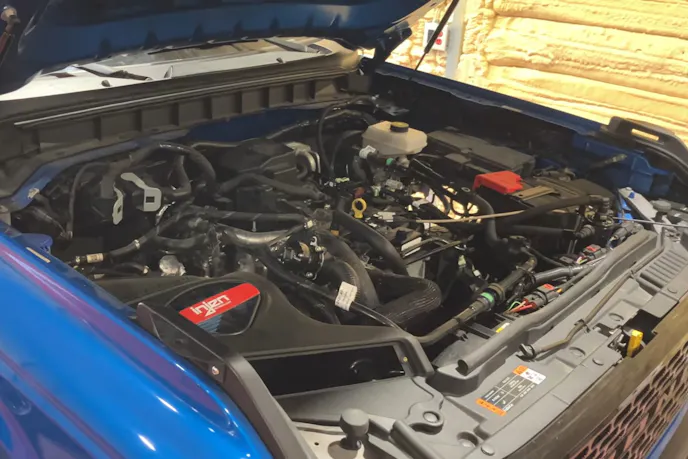
In the world of forced induction mechanics, heat is the enemy of horsepower. Before you even think about software, you must address the physical bottlenecks. The stock intercooler on the 2021 Bronco is adequate for a grocery run, but it suffers from heat soak during extended trail runs or back-to-back highway pulls. Upgrading the thermal management systems is the single most important step for reliable 2021 bronco performance upgrades.
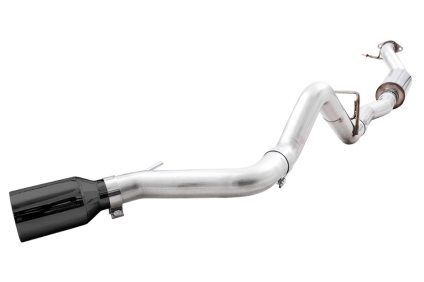
The airflow order should be systematic. Start with high-flow air intakes to let the turbo breathe, then move to ported intake manifolds to ensure air is distributed evenly across all four cylinders. Finally, don't forget the exit strategy. High-flow exhaust systems reduce backpressure, which allows the turbocharger to spool faster.
Hardware Prerequisites for High-Output Tuning:
- Upgraded Intercooler: Prevents power loss during high-load scenarios.
- Ported Intake Manifold: Improves airflow balance and top-end breathability.
- High-Flow Air Intake: Increases the volume of oxygen available for combustion.
- 3-inch Catback Exhaust: Minimizes restriction and provides a deeper, more aggressive tone.
- NGK Ruthenium Spark Plugs: Essential for maintaining a stable spark under high boost levels.
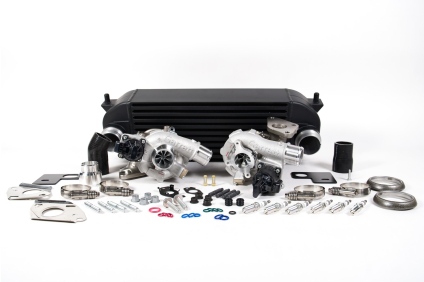
When you reduce the restriction on the intake and exhaust sides, the turbo doesn't have to work as hard to hit its target boost pressure. This results in lower discharge temperatures and a more durable engine. If you are looking for the best bolt on performance parts for 2021 bronco 2.3, prioritize the intercooler first. It is the foundation that allows every other modification to work effectively.
One often overlooked detail is the spark plug. As you increase cylinder pressure through tuning, the factory gap can lead to spark blow-out. Switching to properly gapped NGK Ruthenium plugs ensures that your ford bronco 2.3 performance upgrades deliver consistent power without misfires.

ECU Mapping Strategies: Unlocking the Power
Once the hardware is in place, it’s time to rewrite the brain of the Bronco. There are two primary paths for ford bronco performance upgrades in the software realm: the conservative factory approach and the aggressive custom approach.
The Ford Performance ProCal 4 is the go-to for many owners because it maintains a level of warranty protection while offering a tangible boost. According to official technical specs, the factory 2.3L EcoBoost is rated at 300 horsepower and 325 lb-ft of torque on premium fuel. The Ford Performance calibration kit bumps those peaks to 330 horsepower and 385 lb-ft of torque. That 60 lb-ft jump in torque is something you feel immediately in the seat of your pants.
For those who want to push further, custom ECU mapping strategies using platforms like HP Tuners allow for a more granular approach. This is particularly beneficial for those with a 7-speed manual gearbox. A custom tune can refine the rev-matching features and smooth out the power delivery, making the manual feel much more connected to the driver's intent.
The 4-Step Calibration Process:
- Method Selection: Choose between a handheld tuner like the ford performance procal 4 2.3l bronco guide recommends or a custom dyno tune.
- Compatibility Check: Ensure the tune accounts for your specific tire size and gear ratio to keep the speedometer accurate.
- Installation: Flashing the ECU through the OBD-II port.
- Calibration & Logging: Monitoring the engine on a Dynojet chassis dyno to ensure air-fuel ratios and knock sensors are within safe limits.
Fuel Dynamics: 93 Octane vs. E30 Ethanol Blends
If hardware is the muscle and software is the brain, then fuel is the adrenaline. The 2.3L EcoBoost is highly sensitive to octane. While you can run 87 octane, the ECU will pull timing to prevent knock, effectively neutering your performance. To see real gains, tuning 2.3l bronco for 93 octane is the bare minimum.
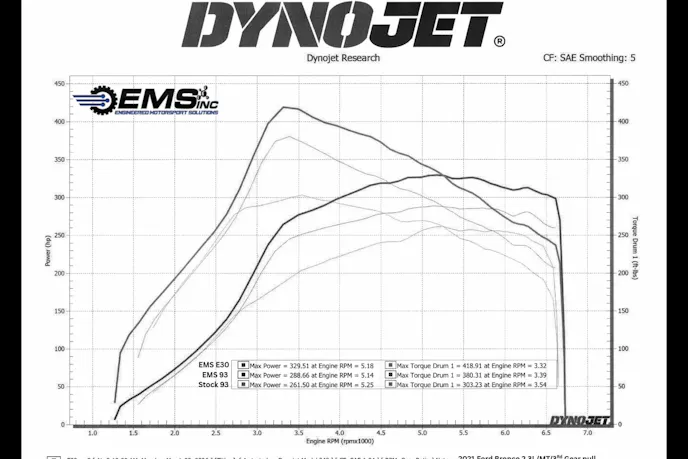
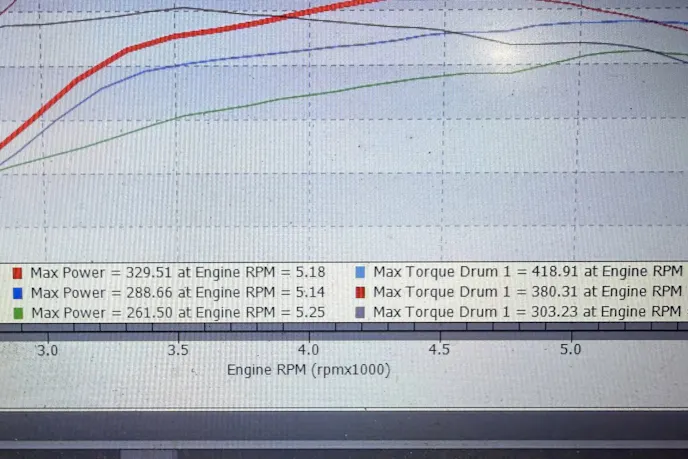
However, the real "cheat code" for the EcoBoost platform is ethanol. An E30 blend (roughly 30% ethanol and 70% gasoline) provides a massive increase in cooling and knock resistance. When you look at the 2021 ford bronco e30 tune power gains, the numbers are staggering. Owners are seeing over 320 wheel horsepower and torque figures that approach the 410 lb-ft mark.
| Metric | Factory (93 Octane) | Stage 1 (93 Octane) | Custom E30 Tune |
|---|---|---|---|
| Horsepower | 300 hp | 330 hp | 350+ hp |
| Torque | 325 lb-ft | 385 lb-ft | 410+ lb-ft |
| Boost Pressure | ~18-20 psi | ~22-24 psi | ~25+ psi |
| Best For | Daily Driving | Towing/Mild Off-Road | Maximum Performance |
Safety Limits Call-out: While the 2.3L is a stout engine, the consensus among professional tuners is to keep torque below the 420 lb-ft threshold on a Dynojet. Pushing beyond this on stock connecting rods increases the risk of catastrophic engine failure during high-load situations.
Using E30 acts as a safety net, allowing for more aggressive timing without the risk of detonation. This is the ultimate way of increasing wheel horsepower 2.3l ford bronco owners can utilize while maintaining daily drivability.
FAQ
What upgrades add the most horsepower?
The most significant horsepower gains come from a combination of an E30 ethanol tune and an upgraded intercooler. While bolt-ons like intakes and exhausts help the engine breathe, the ECU tune is what actually commands the turbo to produce more boost. A custom tune can add over 50 horsepower, whereas physical bolt-ons without a tune may only add 5-10 horsepower.
What is the best upgrade for the Ford Bronco?
For most owners, the Ford Performance ProCal 4 is the best all-around upgrade. It provides a significant increase in torque (up to 385 lb-ft) while remaining street-legal and maintaining a factory-backed warranty. If you are looking for pure performance regardless of warranty, an upgraded intercooler paired with an HP Tuners custom map is the gold standard.
Is a 2.3 or 2.7 Bronco better?
The 2.7L V6 offers more out-of-the-box power and a smoother delivery, making it ideal for heavy towing. However, the 2.3L is lighter, which improves front-end handling, and it is the only engine available with the 7-speed manual transmission. When tuned, the 2.3L can actually rival the stock 2.7L in torque, making it a favorite for enthusiasts who prefer a more engaged driving experience.
Is it better to drive in sport mode or regular mode?
Sport mode is significantly better for performance driving as it sharpens throttle response, holds gears longer (on automatics), and adjusts the steering weight. In the 2.3L Bronco, Sport mode makes the turbo feel more responsive by keeping the RPMs in the meat of the power band. Regular mode is better suited for fuel economy and smooth commuting.