Quick Facts
- Testing Period: 12 months of continuous field use.
- Testing Modes: International long-haul travel, overland expeditions, fly-and-drive business trips, and local technical hiking.
- Core Products: Alpaca Duffel Series (50L & 100L), Zulu 24, Jade 24, and Baltoro 85 Pro.
- Main Finding: Gregory’s FreeFloat suspension remains the industry gold standard for load-to-comfort ratios, though durability trade-offs exist in ultralight components.
- Key Comparison: The Zulu 24 (Men’s) and Jade 24 (Women’s) share the same suspension tech but differ significantly in harness curvature and torso length.
Introduction: Four Modes of Testing
When we commit to a long-term review, we don’t just take a pack out for a weekend in the local woods. To truly understand the DNA of a brand like Gregory—which has been refining "the perfect fit" since Wayne Gregory founded the company in 1977—we subjected a suite of their gear to a full year of abuse. This wasn't a curated photoshoot; it was a 12-month gauntlet across four distinct travel modes: long-distance international transit through three continents, rugged overland vehicle expeditions, high-pressure fly-and-drive business travel, and weekly local hiking in the Pacific Northwest.
Our testing philosophy is simple: no compromise. If a zipper jams on day 200 or a shoulder strap begins to delaminate after 500 miles, we document it. Over the last year, we’ve pushed the Alpaca duffels to their volume limits and tested the weight-carrying capacity of the Baltoro 85 Pro on glaciers where gear failure isn't just an inconvenience—it’s a safety risk.
The following review is the culmination of that year in the field. Whether you are looking for the best hiking daypacks of 2025 or a durable outdoor travel bag that can survive a baggage carousel in Istanbul, here is how Gregory gear actually holds up.
Heavy-Duty Transport: The Alpaca Duffel Series
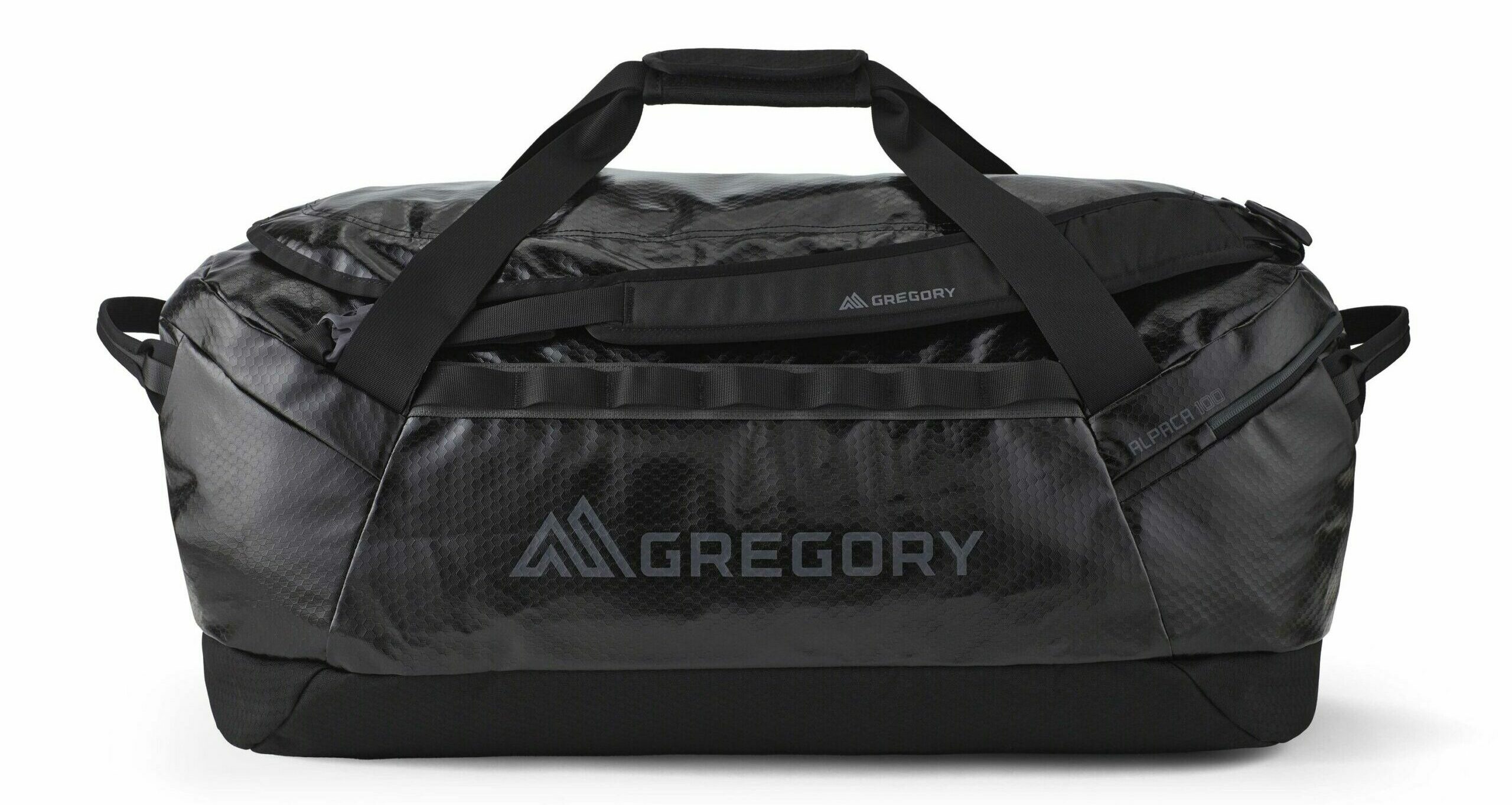
For massive gear hauls, the Gregory Alpaca 100 became our go-to "gear eater." With a 100-liter capacity, this duffel is designed for the heavy-duty transport of climbing racks, basecamp supplies, or a month’s worth of international travel gear. The weather-resistant TPU-coated ripstop fabric lived through rain-soaked truck beds and abrasive airport handling without a single puncture.
However, we quickly learned its limitations. While it features removable padded backpack straps, the Alpaca 100 is not a "backpack" in the traditional sense. When fully loaded to its 50-60 lb capacity, the lack of a hip belt makes it punishing for anything more than a 500-yard dash from a terminal to a taxi. It is a storage and transport masterpiece, but for long-distance carrying, you'll want to look elsewhere.
The Tech Hauler: Alpaca Wide Mouth 50
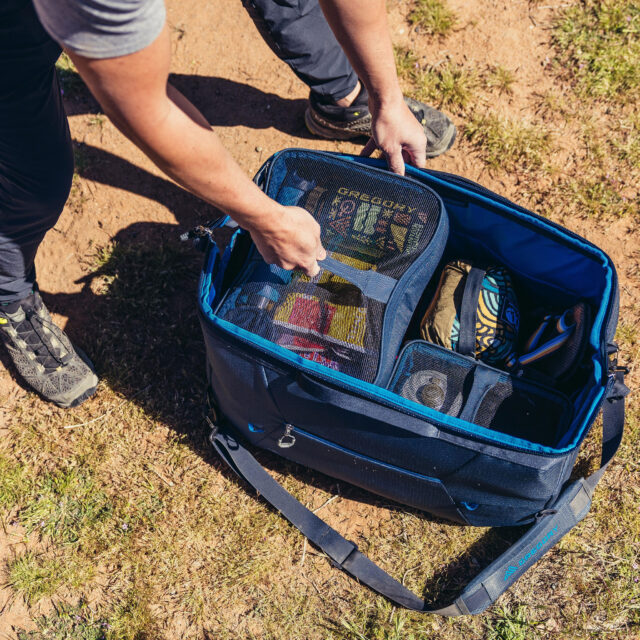
Perhaps the most surprising standout in the duffel lineup was the Alpaca Wide Mouth 50. Unlike standard floppy duffels, this model prioritizes structural protection. It features an internal frame that allows the bag to stay open for easy packing—and more importantly, provides a cage of protection for sensitive gear.
During our overland testing, we used the Wide Mouth 50 specifically for transporting a Starlink terminal and its associated cabling. The rigid structure prevented the delicate hardware from being crushed by heavier bags. However, this protection comes at a cost of weight: the Alpaca 50 wide-mouth duffel has a base weight of over 5 pounds when empty. For minimalist travelers, this might seem excessive, but for those hauling specialized tech or photography equipment, the weight is a necessary trade-off for peace of mind.
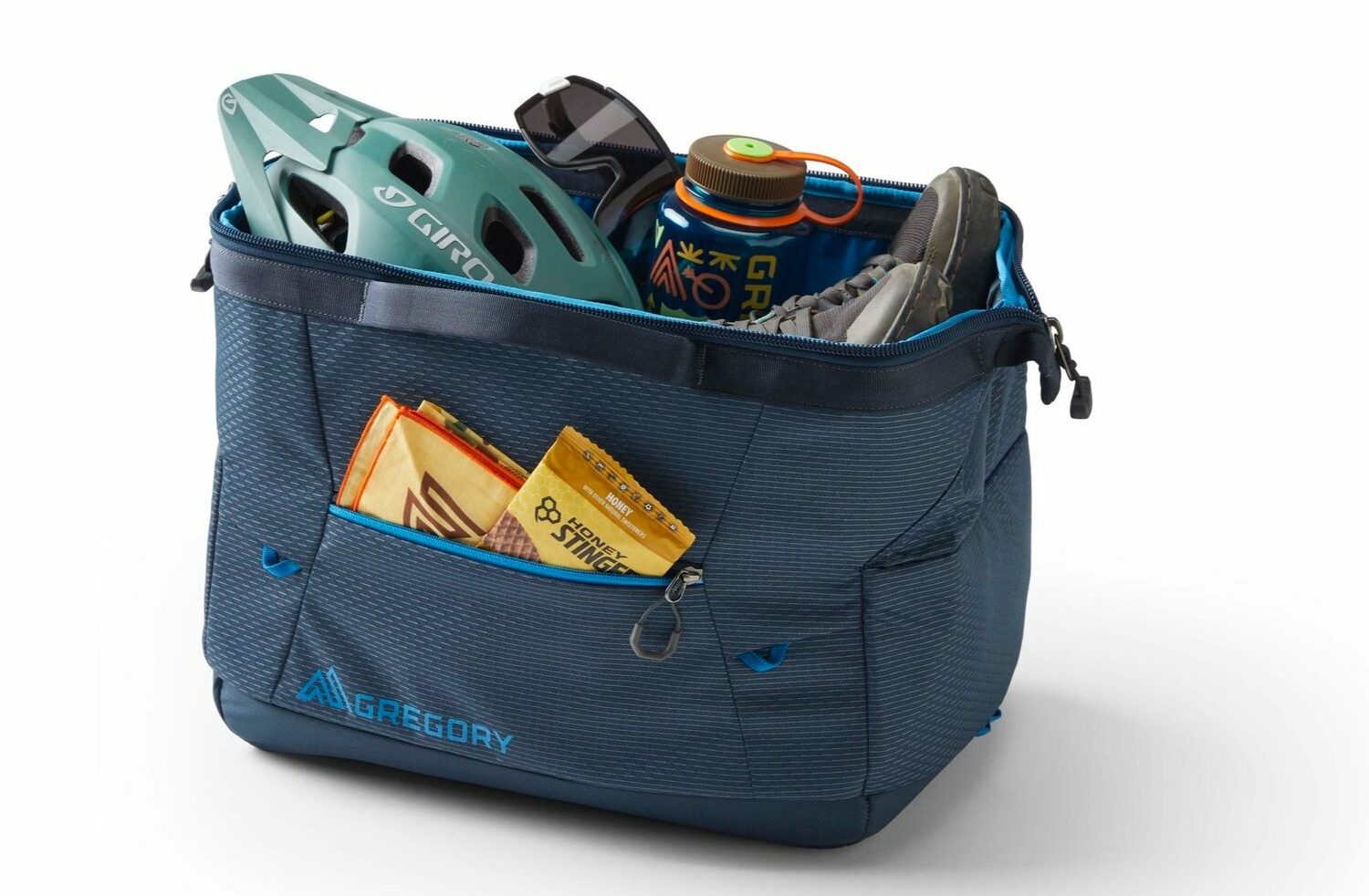
Editor’s Tip: If you are traveling solo, the 50L Wide Mouth is the perfect size for a "fly-and-drive" kit, fitting perfectly into the overhead bin of most domestic flights while still being rugged enough to be strapped to a roof rack once you reach your destination.
Day Hiking Specialists: Zulu 24 vs. Jade 24
For short day hikes and fast-and-light summit pushes, we cycled through the Zulu and Jade series. The most common question we receive is about the "real world" difference between these two.
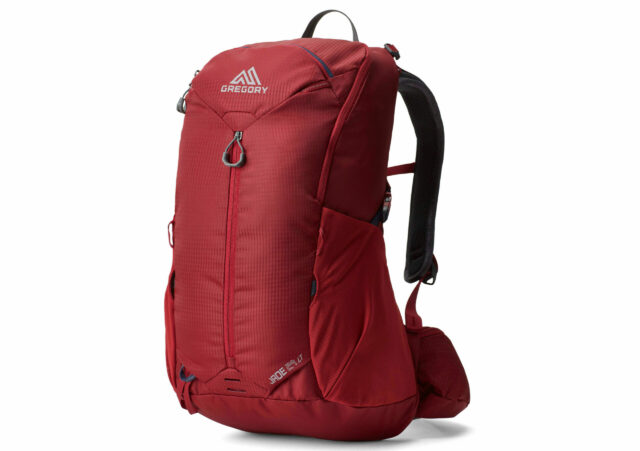
The core distinction between the Gregory Zulu 24 and Jade 24 is their ergonomic design. While both feature the FreeFloat dynamic suspension system, the Zulu is tailored for the male frame (broader shoulders, longer torso options), whereas the Jade is a women-specific pack with a more pronounced curve in the harness and a hip belt angled to sit naturally on female hips.
| Feature | Gregory Zulu 24 (Men's) | Gregory Jade 24 (Women's) |
|---|---|---|
| Capacity | 24 Liters | 24 Liters |
| Suspension | FreeFloat Open-Air | FreeFloat Open-Air |
| Torso Fit | S/M or M/L | XS/S or S/M |
| Best For | Minimalist Fast Hiking | Ergonomic Female Comfort |
| Ventilation | High-flow back panel | High-flow back panel |
The Zulu 24 proved to be an ideal minimalist pack. It manages to balance a 24-liter capacity—enough for a shell, lunch, and a 3L reservoir—with a contoured hip belt that actually distributes weight rather than just stabilizing the bag.
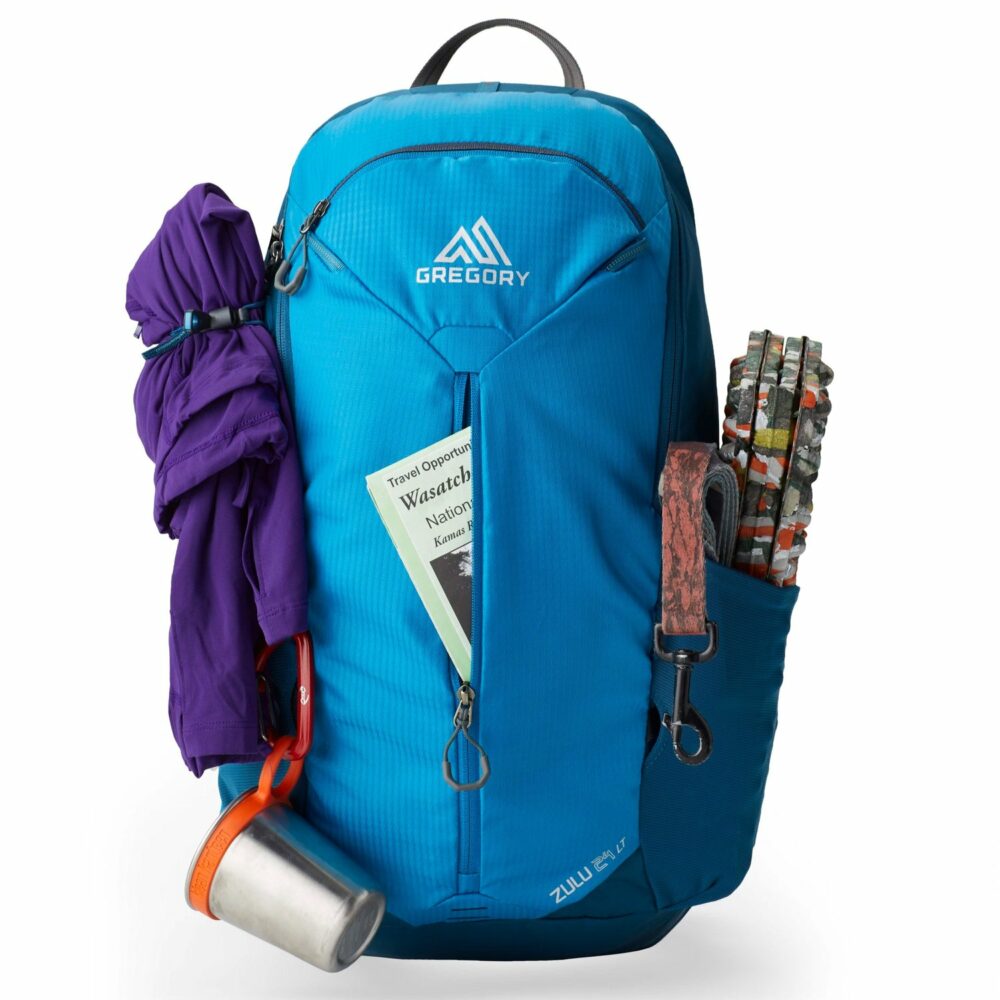
The "magic" in both of these packs is the FreeFloat Dynamic Suspension. This system uses flex panels that allow the hip belt to pivot and move with your body's natural walking motion. We found this significantly reduced "pack rub" on 10+ mile days.
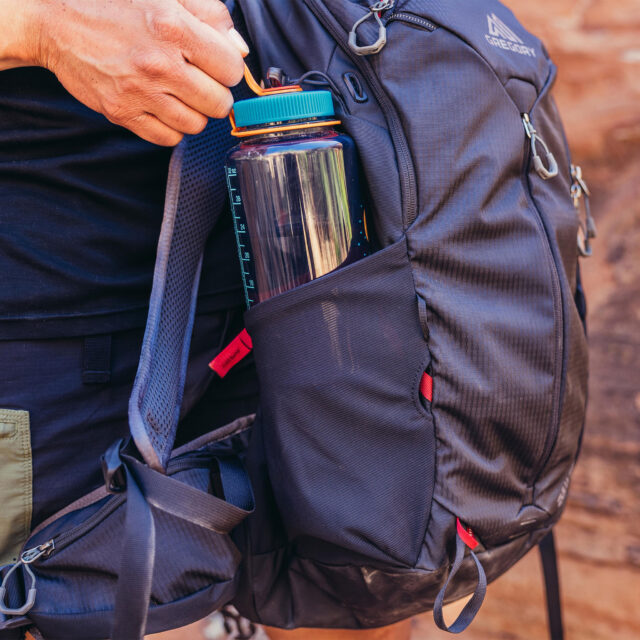
The Jade 24 earned high marks for its ventilated back panel and soft-touch materials. Our female testers noted that the harness didn't pinch under the arms, even when wearing only a thin sleeveless base layer.
Real-World Critiques
However, it wasn't all perfect. A specific gripe shared across both models is the hip belt pocket sizing. In an era where "Pro Max" and "Ultra" smartphones are the norm, these pockets are frustratingly small. A Samsung S23 barely fits, and only if you wrestle the zipper. If you rely on your phone for quick-access navigation, you’ll likely end up mounting a separate pouch to the shoulder strap.
The Expedition King: Baltoro 85 Pro Field Notes
When the mission changed from day hikes to a 14-day self-supported expedition in the Waddington Range, we swapped the daypacks for the Baltoro 85 Pro. This is Gregory’s "Heavy Hauler," and it lives up to the name.
At a base weight of 5 lbs 4.8 oz, this pack is admittedly overkill for a simple weekend getaway. However, when we loaded it with 70+ lbs of gear—including climbing hardware, ropes, and two weeks of food—the Baltoro’s steel frame and fiberglass stays came into their own. While lighter packs would have buckled or transferred all that weight directly to the shoulders, the Baltoro remained remarkably stable.
Durability Report: During our 14 days of exposure to slide alder, sharp granite edges, and spiked crampons, we recorded zero fabric punctures. The high-denier nylon used in the "Pro" version is noticeably more resilient than the standard Baltoro models.
Expert Insight: The Baltoro 85 Pro is a specialized tool. Unless you are planning expeditions longer than 7 days or carrying heavy photography/science gear, the standard Baltoro 65 or 75 will offer the same suspension benefits at a lower weight.
Long-Term Durability & Sustainability Findings
After 12 months, we took a hard look at the wear-and-tear across the entire collection.
- Mesh Resilience: The stretch-mesh front pockets, often the first thing to fail on modern packs, held up surprisingly well. Despite being stuffed with wet rain shells and jagged rocks (by our junior testers), the mesh retained its elasticity.
- Cinch Cord Failure: We did experience one failure: the cinch cord on a Zulu 24 ripped on day eight of an intensive mountain trip. While it was easily field-repaired with some paracord, it suggests that Gregory’s weight-saving measures on small hardware might be a minor weak point.
- Sustainability: Gregory has made significant strides here. The entire 2024/2025 lineup uses PFAS-free DWR finishes and recycled materials. As an editor, I view longevity as the ultimate sustainability metric—if a bag lasts 10 years, you don't need to buy three others. Gregory's build quality suggests a decade-long lifespan is well within reach.
Final Verdict: Is Gregory Gear Worth the Investment?
After a year of testing across every conceivable environment, our conclusion is a resounding yes, but with caveats based on your specific needs.
Strengths:
- Superior Comfort: The FreeFloat suspension is arguably the most comfortable "moving" suspension on the market.
- Specific Fit: The gender-specific tailoring of the Jade series isn't just marketing; it provides a measurably better fit for female hikers.
- Protection: The Alpaca Wide Mouth series offers a level of structural protection for sensitive gear that few competitors can match.
Weaknesses:
- Weight: Gregory gear tends to be heavier than "ultralight" brands like Zpacks or Hyperlite. You are trading ounces for comfort and durability.
- Pocket Size: Hip belt pockets need to catch up with modern smartphone dimensions.
Who is it for? If you value back health and load distribution over "Fast and Light" gram-counting, Gregory is your brand. It is for the hiker who wants to finish a 15-mile day without shoulder bruising and the traveler who needs a bag that can survive a decade of being tossed into the holds of bush planes.
FAQ
Q: Is the Gregory Zulu 24 big enough for an overnight trip? A: No, unless you are a strictly ultralight camper with a very small sleep system. The Zulu 24 is best used as a high-capacity daypack for gear-intensive hikes or winter trekking. For overnights, look at the Zulu 45.
Q: Does the Alpaca 100 Duffel come with a warranty? A: Yes, Gregory offers a "Lifetime Warranty" on all their packs and luggage, covering defects in materials and workmanship. Our experience with their customer service has been excellent regarding minor hardware replacements.
Q: How do I clean my Gregory pack after a long season? A: Never machine wash. Use a mild soap (like Nikwax Tech Wash), lukewarm water, and a soft brush. Pay special attention to the salt buildup on the shoulder straps and hip belt to maintain the foam's integrity.