Quick Facts
- The 19x Fact: Testing shows and field data confirms that non-Top Tier fuels produce 19 times more deposits in just 4,000 miles of operation.
- Market Reach: According to the EPA, 73% of light-duty vehicles produced for the 2023 model year are equipped with gasoline direct injection technology.
- Efficiency Loss: Severe carbon buildup in modern engines can reduce power by up to 10% and increase fuel consumption by 5%.
- Restoration: Switching to high-quality fuel can reduce existing intake valve deposits by an average of 95% over several thousand miles.
- Cost Difference: Choosing certified fuel typically costs only about 3 cents more per gallon than the cheapest alternative.
- Future Standard: A new, more rigorous TOP TIER™+ standard is scheduled for rollout in late 2025.
As Gasoline Direct Injection (GDI) technology now powers over 70% of new vehicles, the fuel you choose has never mattered more than it does today. While the EPA sets minimum standards, your high-performance engine requires significantly more protection. Top Tier gasoline is fuel that meets enhanced detergent standards designed to prevent carbon buildup on injectors and valves, significantly outperforming standard EPA-minimum fuels to preserve engine longevity and fuel efficiency.

Why Modern GDI Engines Demand Top Tier Gasoline
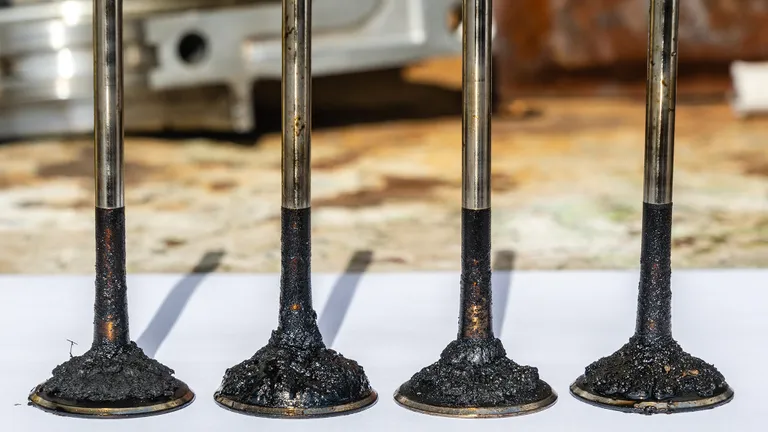
For decades, fuel quality was a secondary concern for many drivers because older engine designs were more forgiving. However, the automotive industry has undergone a massive shift toward Gasoline Direct Injection. Today, 73% of all new light-duty vehicles utilize this technology to meet strict federal emissions and economy standards. While GDI offers better performance and lower CO2 output, it introduces a specific mechanical vulnerability known as internal engine sludge and carbon fouling.
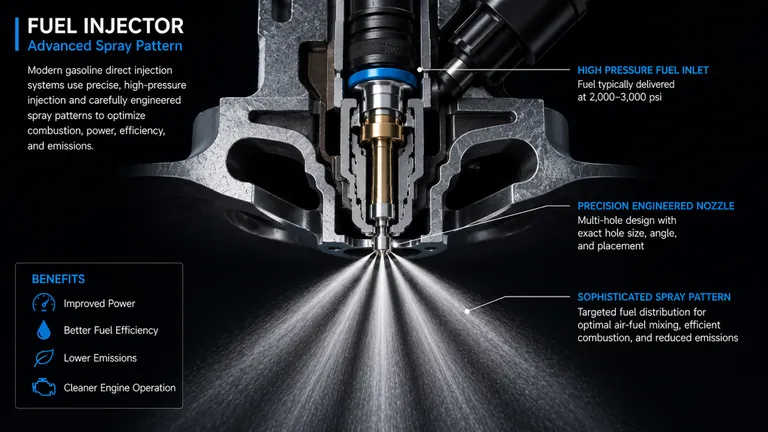
In a traditional Port Fuel Injection engine, fuel is sprayed behind the intake valves, effectively washing them with detergent every time the engine runs. In modern GDI systems, fuel is sprayed directly into the combustion chamber under extreme pressure—often exceeding 2,000 psi. Because the fuel never touches the back of the intake valves, carbon deposits from oil vapors and exhaust gas recirculation can bake onto the metal unchecked.
Furthermore, fuel injector nozzles in these systems are precision-engineered with holes thinner than a human hair. They must pulse in precise millisecond bursts. Even microscopic layers of engine sludge can disrupt the spray pattern, leading to poor combustion, misfires, and long-term damage. Research shows that 30% of GDI engines experience performance degradation within the first 50,000 miles simply due to this buildup. This is why using specific top tier gas for gdi engines is no longer a luxury but a maintenance requirement.
The Octane Trap: Debunking the Top Tier Gas Myth
One of the most persistent misconceptions I encounter as an editor is the top tier gas myth that high-quality detergents are only found in expensive, high-octane premium fuel. Many drivers believe that by occasionally "treating" their car to a tank of 91 or 93 octane gasoline, they are cleaning the engine. This is a misunderstanding of petroleum chemistry.
Octane ratings and detergent quality are two entirely different standards. Octane refers strictly to a fuel's resistance to "knock" or premature detonation under pressure. High-performance engines with high compression ratios require high octane to prevent damage, but octane itself does not clean your engine. You could buy a 93 octane fuel from a non-certified station that barely meets the legal EPA detergent standards, and it would be less effective at cleaning your engine than a 87 octane regular fuel from a certified station.
The real difference between premium gas and top tier gas lies in the additive package. When a brand signs on to meet the Top Tier standard, they agree to include a specific concentration of performance additives in every grade they sell—regular, mid-grade, and premium. This means you do not have to pay for high-octane fuel just to get the cleaning benefits. If your owner’s manual says regular gas is fine, you can stick with 87 octane, provided you are purchasing it from top tier gas stations that prioritize detergent chemistry.
Beyond Prevention: Does Top Tier Gas Clean Dirty Engines?
A common question from owners of used vehicles is whether it is "too late" to start using better fuel. If your car has reached 50,000 or 60,000 miles on a diet of the cheapest available gas, you likely already have some degree of carbon buildup. While severe cases in high-risk models might eventually require manual cleaning methods like walnut shell blasting, switching to top tier gasoline can have a significant restorative effect.
Independent AAA research findings showed that when engines with existing deposits were switched to high-detergent fuel, the results were dramatic. On average, intake valve deposits were reduced by 95% over a period of 5,000 miles of driving. This is because the optimized detergent molecules are designed to break down the carbon bond and allow the debris to be safely consumed in the combustion process.
Without this cleaning power, the mechanical consequences are real. Studies indicate that sustained carbon buildup can increase fuel consumption by 2% to 5%, which essentially negates any savings you might have found at a cheaper, lower-quality gas station. By maintaining cleaner fuel injector nozzles, you ensure optimal fuel trim optimization, which keeps your engine running as the engineers intended.
Where to Buy: Identifying Top Tier Gas Brands
Finding the right fuel is simpler than it used to be, but it still requires a keen eye. The easiest way to verify the quality is to look for the official top tier gasoline logo directly on the fuel pump. This logo is a licensed trademark, and stations are only permitted to display it if they strictly adhere to the detergent requirements across all grades of fuel.
Currently, over 50 major top tier gasoline brands participate in the program in the United States and Canada. These include household names like Chevron, Shell, Exxon, Mobil, and BP. One of the most frequent questions from value-conscious drivers is: is costco gasoline top tier? The answer is a definitive yes. Costco’s Kirkland Signature fuel was one of the first warehouse brands to meet these standards, making it an excellent choice for maintaining engine longevity without the premium station price tag.
As we look toward the future, the standards are evolving. By late 2025, a new standard called TOP TIER™+ will begin rolling out. This new tier will address the specific demands of the most advanced high-pressure systems and hybrid engines, which face unique deposit challenges due to frequent start-stop cycles. For now, sticking with any of the recognized top tier gas stations is the best defense against internal engine wear.
FAQ
What gas stations have TOP TIER gas?
Most major national chains carry certified fuel. This includes Shell, Chevron, Exxon, Mobil, Texaco, BP, Sunoco, and Phillips 66. It also includes several regional retailers like QuikTrip and Kwik Trip.
Is Costco TOP TIER gas?
Yes, Costco gasoline is certified under the Top Tier detergent standards for all grades of fuel they sell. Their Kirkland Signature fuel contains five times the detergent required by the EPA minimums.
Is bp gas as good as TOP TIER?
Yes, BP is a participating brand in the program. Their fuels are engineered with Invigorate detergent technology that meets the stringent Top Tier requirements to help prevent carbon buildup.
How to tell if gasoline is TOP TIER?
The most reliable way is to look for the green and blue top tier gasoline logo on the pump at the gas station. You can also check the official Top Tier website for a complete list of licensed retail brands.
What are the TOP TIER brands of gasoline?
Major brands include Shell, Exxon, Mobil, Chevron, Costco, BP, Sinclair, Sunoco, Valero, and ARCO. There are currently over 50 brands that meet these high detergent standards in North America.
Protect Your Engine for the Long Haul
Maintaining a modern vehicle involves more than just changing the oil every 5,000 miles. Ownership in the age of high-pressure GDI technology requires a preventative mindset regarding fuel quality. As an editor specializing in reliability, I view the choice of fuel as one of the most cost-effective forms of insurance you can buy for your car.
The financial data is compelling. A driver who chooses the cheapest gas over a certified brand might save about $15 to $25 per year. However, if those savings lead to a 10% loss in power or a $600 professional intake cleaning service, the "savings" vanish instantly. By consistently using top tier gasoline, you are protecting the complex internal combustion efficiency that makes modern cars so impressive. Keep an eye out for that logo at every fill-up; your engine will thank you with smoother idling, better throttle response, and a much longer lifespan.