Quick Facts
| Feature | 2020 Model Y Performance | 2026 Model Y Performance (Juniper) |
|---|---|---|
| 0-60 mph | 3.5 seconds | 3.3 seconds |
| Peak Power | 460 hp | 510 hp |
| Peak Torque | 471 lb-ft | 513 lb-ft |
| EPA Range | 280 miles | 306 miles |
| Suspension | Fixed Sport-Tuned | Frequency Selective / Adaptive |
| Starting Price | ~$60,000 (at launch) | ~$59,130 |
The Juniper Refresh: A New Chapter for the Global Juggernaut
For the better part of five years, the Tesla Model Y has been the "quiet overachiever" of the automotive world, eventually becoming the best-selling vehicle on the planet. However, as the competition from Korea and Germany began to close the gap in ride quality and cabin tech, the Model Y started to show its age. Enter the 2026 "Juniper" refresh—a comprehensive overhaul that seeks to balance raw electric speed with the kind of executive-level refinement previously reserved for the Model S.
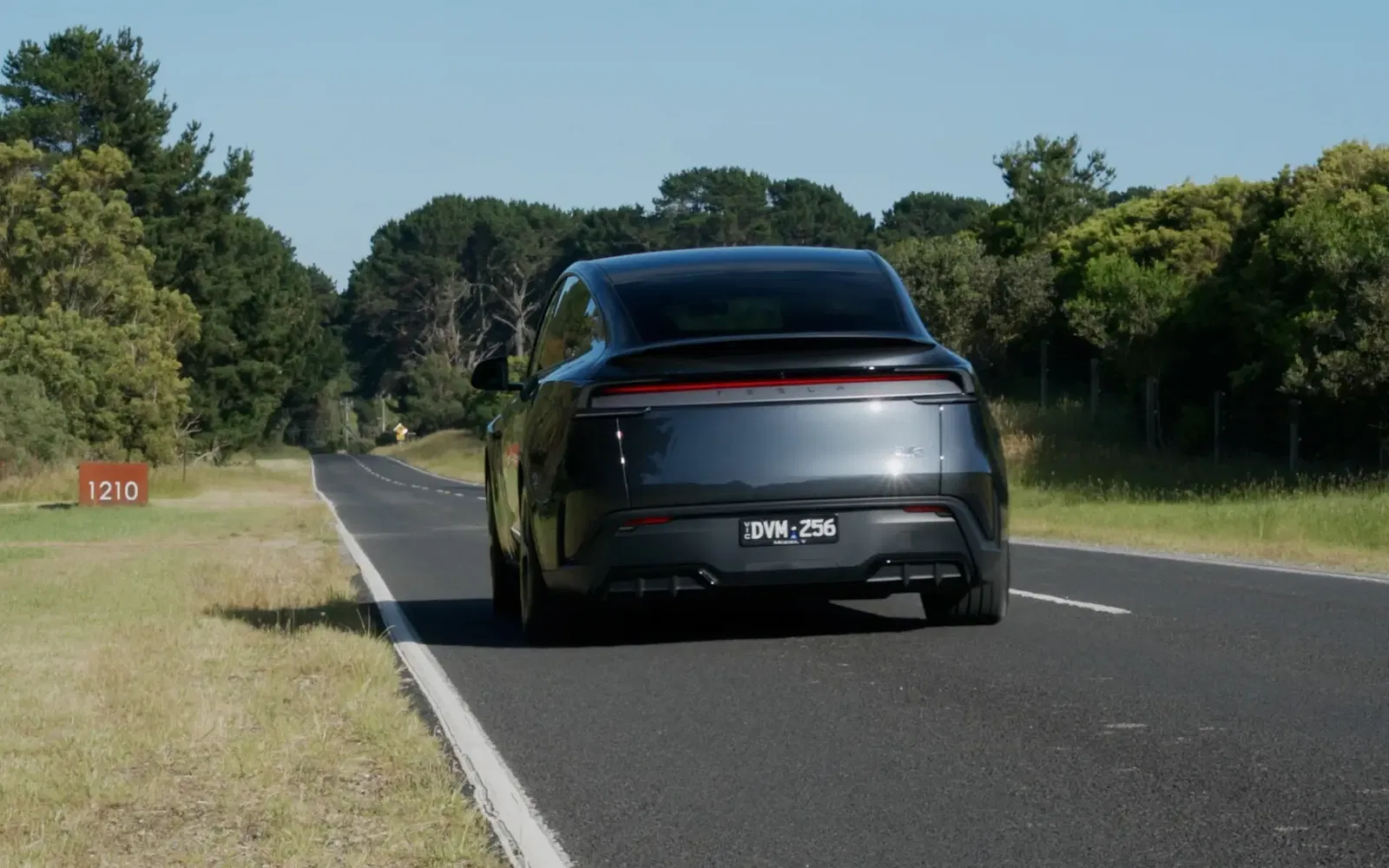
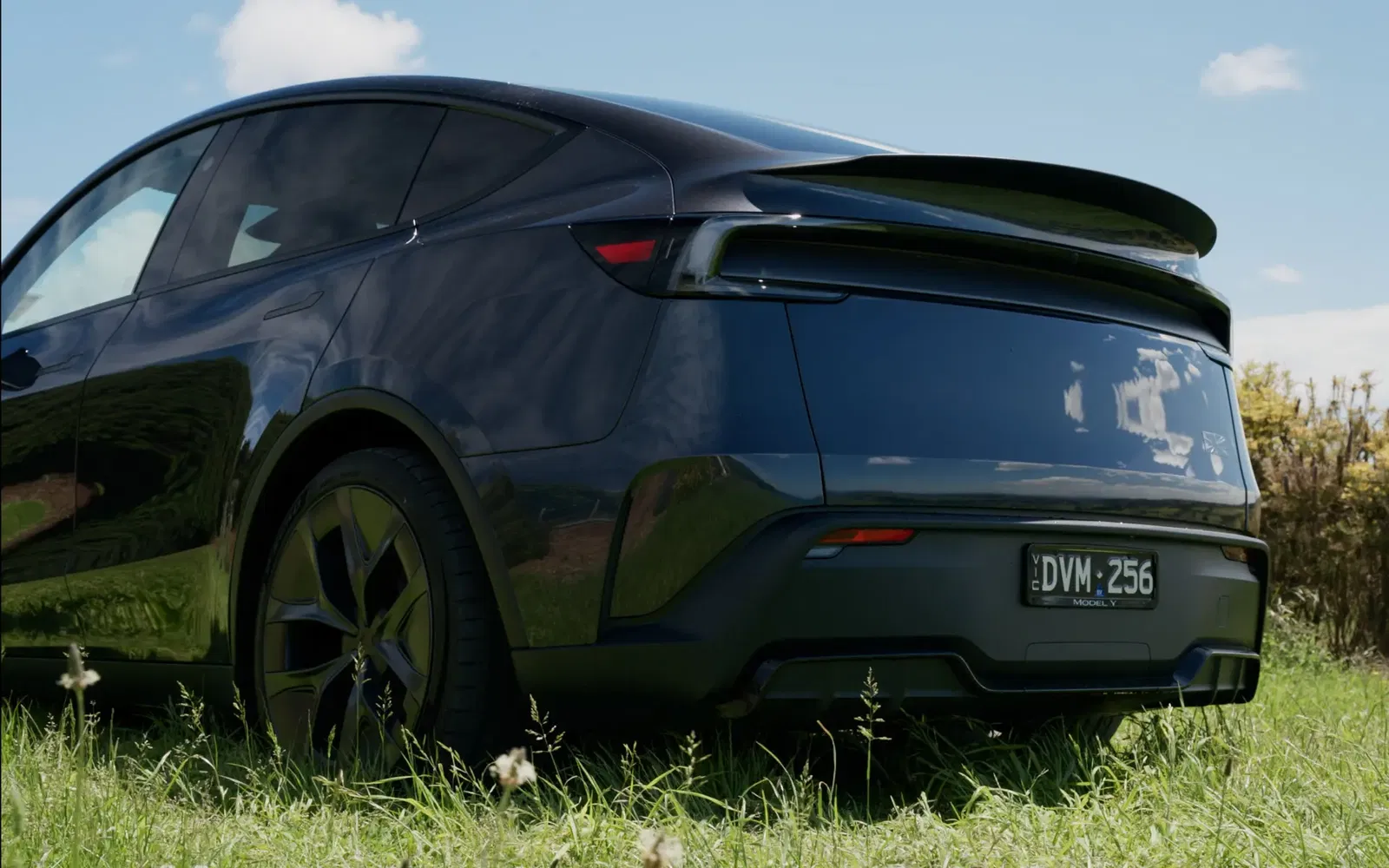
This isn't just a facelift; it’s a philosophical shift. The 2026 Tesla Model Y Performance now delivers a staggering 510 horsepower and a 0-60 mph sprint of just 3.3 seconds, shaving 0.2 seconds off the original 2020 model’s time. But more importantly, it addresses the "Performance" trim's biggest historical flaw: a punishingly stiff ride. By blending blistering acceleration with a sophisticated new adaptive suspension system, Tesla has created a vehicle that finally feels as expensive as it costs.
Performance Specs: More Power, Better Range
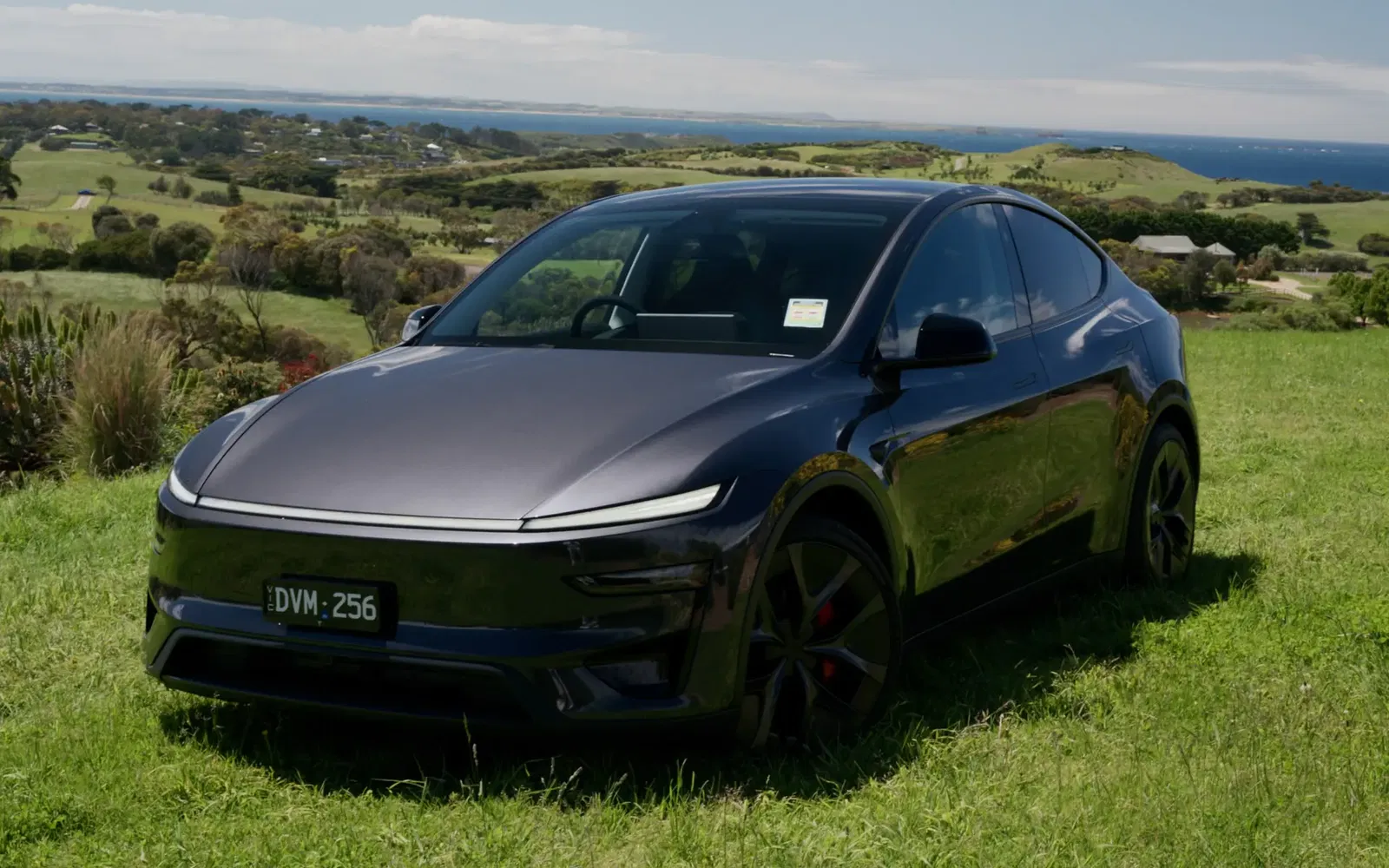
At the heart of the 2026 update is an upgraded drive unit that pushes the Model Y into a new tier of performance. The 50-hp increase over the previous generation brings the total peak output to 510 hp and 513 lb-ft of torque. While 3.3 seconds to 60 mph is the headline figure, it’s the mid-range punch—the 30-to-70 mph passing maneuver—that feels most transformed. The power delivery is more linear and less frantic, though no less potent.
Efficiency hasn't been sacrificed at the altar of speed. The 2026 Model Y Performance utilizes an optimized 81-kWh battery pack featuring improved energy density and thermal management. The result is an EPA-estimated 306 miles of range, representing a 10.5% improvement over the 2020 predecessor. This boost is largely attributed to the "Juniper" aerodynamic enhancements, including a sleeker front fascia and revised underbody shielding that cuts through the air with significantly less drag.
Key Performance & Efficiency Metrics:
- Total Output: 510 hp / 513 lb-ft Torque
- Battery Capacity: 81-kWh (Usable)
- EPA Range: 306 Miles
- Top Speed: 155 mph (governed)
- Aero Efficiency: ~0.22 Cd (estimated)
Driving Dynamics: From Track Star to Road Master
Perhaps the most controversial move in the 2026 update is the official removal of Track Mode. In previous years, Performance owners could toggle settings for drift bias, cooling, and stability control to take their SUV to the circuit. Tesla’s data, however, suggested that fewer than 1% of owners ever used it. Consequently, the engineering team pivoted their focus toward "daily drivability."
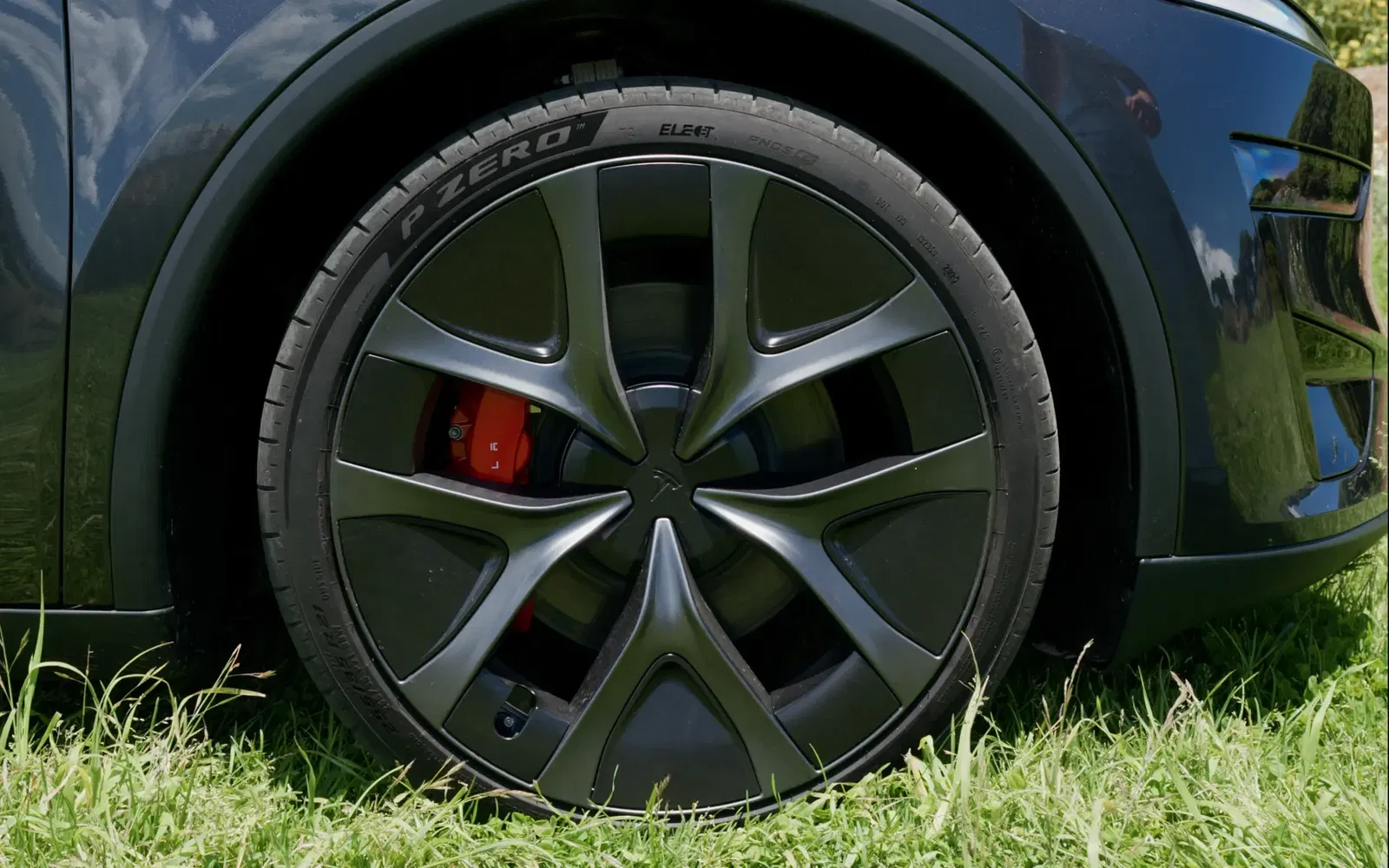
The star of the show is the new adaptive suspension system. Unlike the old "boneshaker" setup that crashed over potholes, the 2026 dampers feature frequency-selective valving that softens the impact of sharp bumps while tightening up during high-speed cornering.
Editor’s Note: If you’re coming from a 2020 or 2021 Model Y, the difference is night and day. The "head-toss" over uneven pavement is nearly gone, replaced by a composed, European-feeling damping that mimics the composure of a BMW X3 M40i but with more immediate throttle response.
Drivers can still tailor the experience via three distinct acceleration modes:
- Chill: Softens the throttle for a relaxed commute or when passengers are sensitive to G-forces.
- Standard: The "goldilocks" setting, providing plenty of pep without being overly twitchy.
- Insane: Replaces the old "Sport" mode, unlocking the full 510 hp and 3.3-second 0-60 capability.
Living with the 2026 Model Y: Cabin Refinement
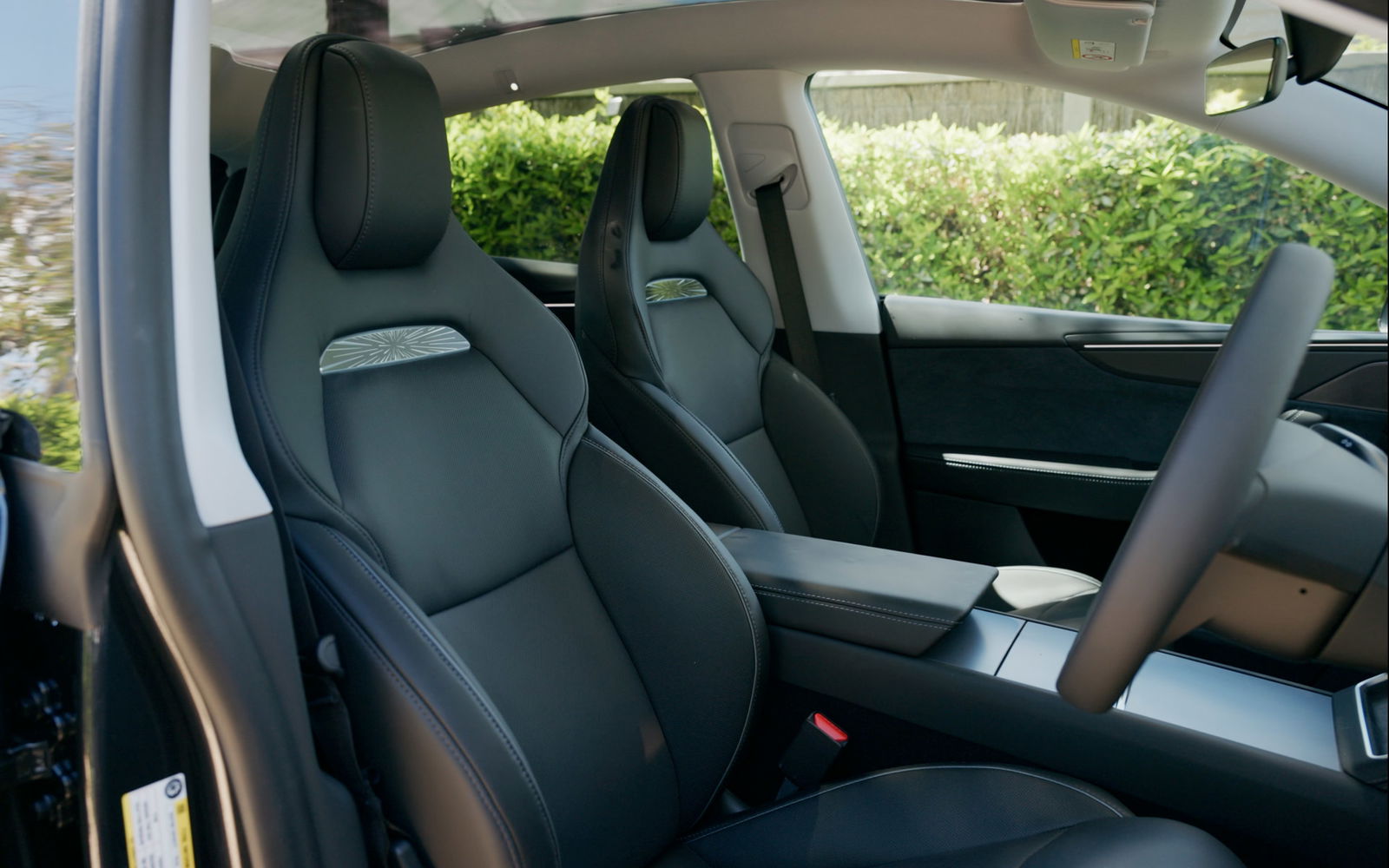
Step inside, and the "minimalist" aesthetic remains, but the material quality has taken a massive leap forward. The dashboard is now wrapped in a softer, more tactile vegan leather, and the divisive wood trim has been replaced by sleek carbon fiber accents exclusive to the Performance trim.
Tesla has also doubled down on acoustic comfort. The 2026 model features 360-degree acoustic glass and significantly more sound-deadening insulation in the wheel wells. At 70 mph, the cabin is noticeably quieter than before, allowing the 17-speaker premium audio system to shine without competing with tire roar.
Interior Highlights:
- Ventilated Front Seats: Finally standard, offering both heating and cooling.
- Ambient Lighting: A customizable LED strip that runs across the dash and into the door panels.
- Grok AI Integration: The voice command system is now powered by the Grok chatbot, allowing for natural language queries like "Find me a coffee shop that isn't too crowded" or "How do I change the tire pressure settings?"
- No Stalks: Like the Model 3 and Model S, the gear selector and turn signals are now on the screen and steering wheel buttons, respectively—a move that still requires a learning curve for traditional drivers.
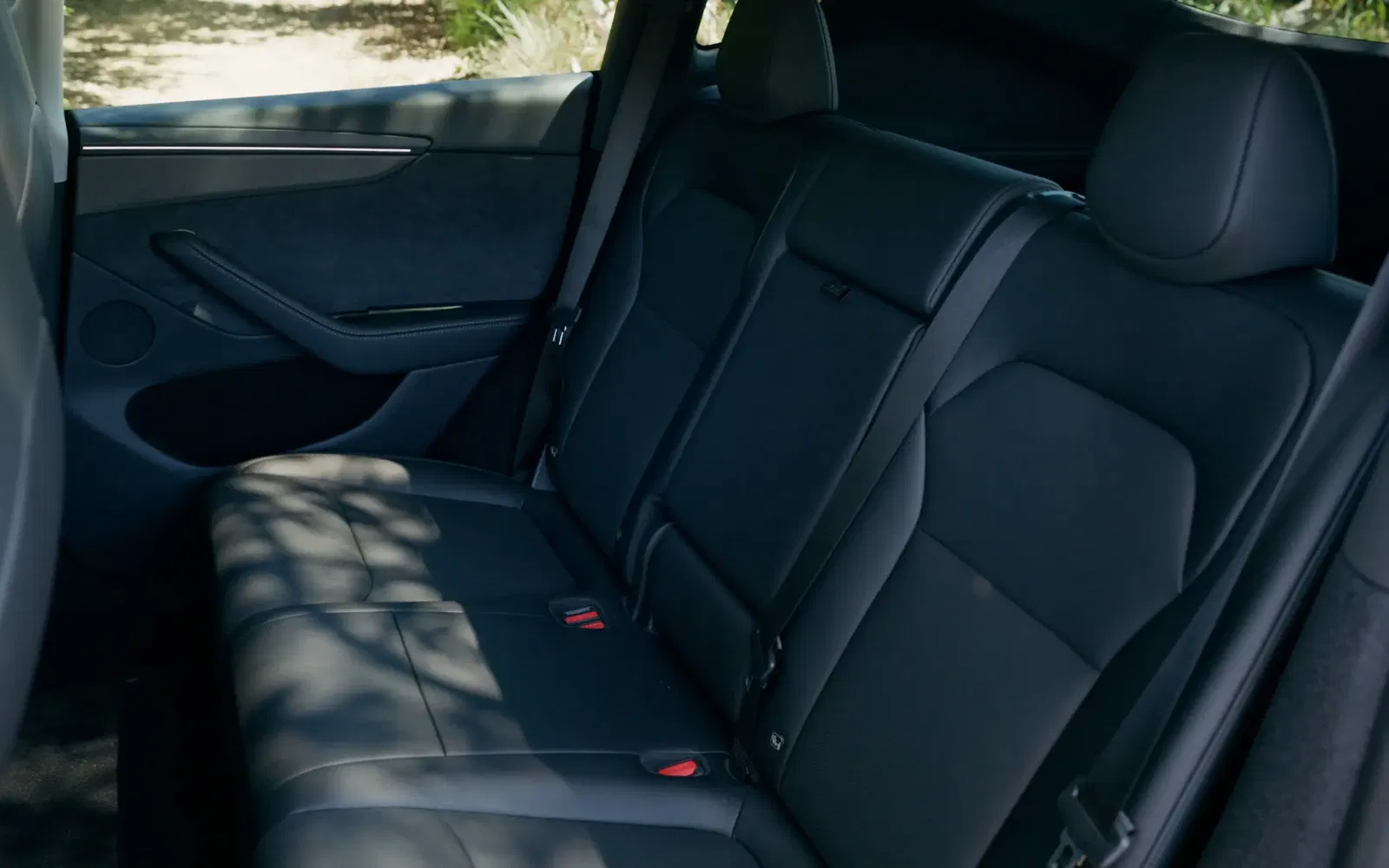
Rear passengers are no longer treated like second-class citizens. The 2026 update introduces a new 8.0-inch rear touchscreen mounted to the back of the center console. This allows those in the back to adjust their own climate zones, control seat heaters, and stream YouTube or Netflix during long trips.
Practicality: Charging and Utility
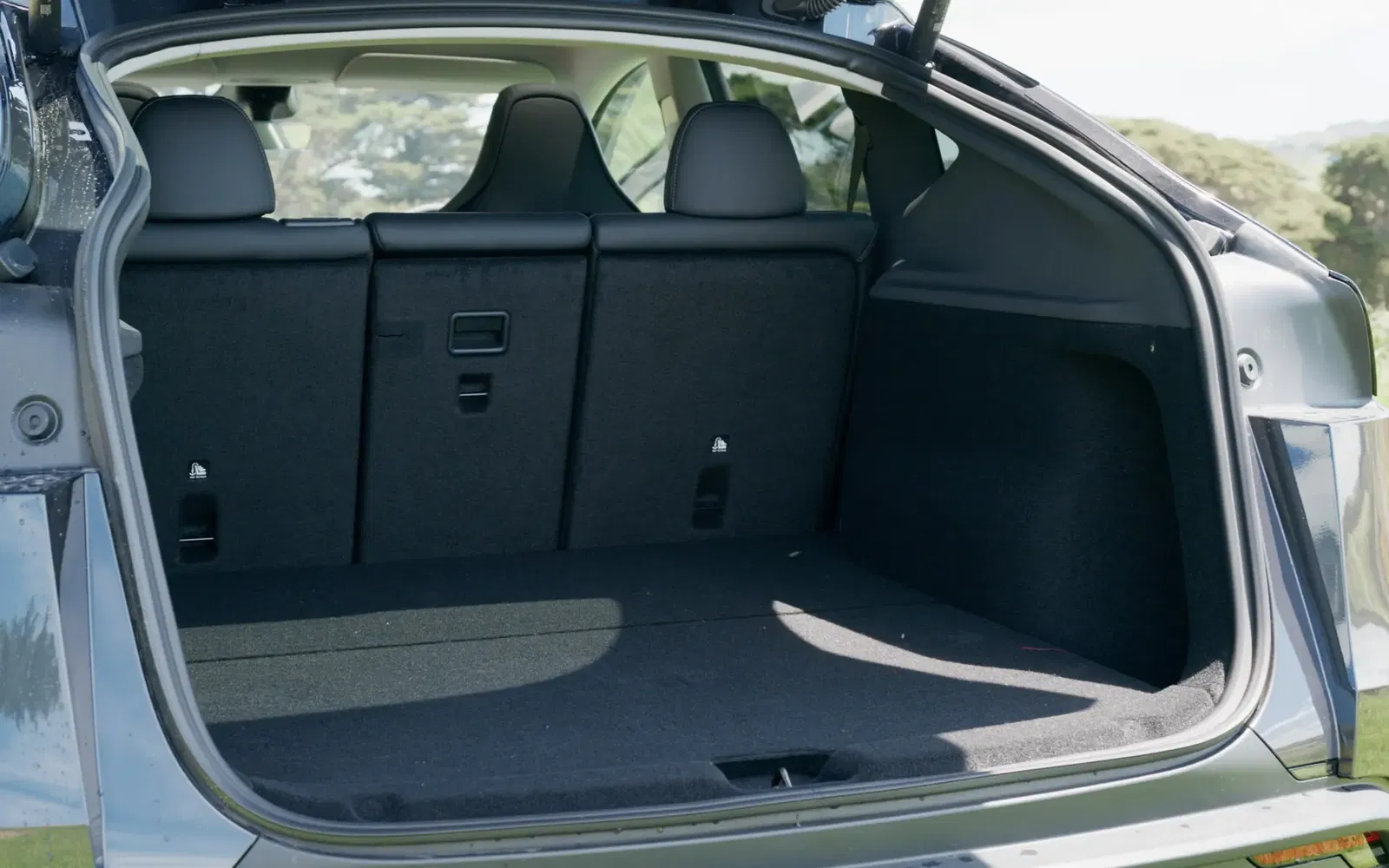
While the Performance model is fast, it remains a utility vehicle at its core. The Model Y continues to dominate the segment in terms of packaging efficiency. Behind the second row, you’ll find 30.2 cubic feet of storage, which expands to a cavernous 76 cubic feet with the seats collapsed. The "frunk" (front trunk) remains a handy spot for charging cables or grocery bags, though its size is unchanged for 2026.
Charging remains Tesla’s "ace in the hole." Utilizing the V3 and V4 Supercharger network, the 2026 Model Y Performance can recover 144 miles of range in just 15 minutes at a 250 kW charging rate. For those looking to tow, the Performance trim retains its 3,500-pound maximum towing capacity, making it capable of hauling small trailers or a couple of jet skis.
Market Comparison: Tesla Model Y vs. Hyundai Ioniq 5 N
The electric performance SUV market is no longer a one-horse race. The 2026 Tesla Model Y Performance finds itself facing a formidable rival: the Hyundai Ioniq 5 N.
- Handling vs. Hype: The Ioniq 5 N is arguably more "fun" for the enthusiast. It features simulated gear shifts and an exhaust soundtrack that mimics a gas car, offering a more visceral, connected experience.
- Refinement vs. Rawness: The Tesla is the superior daily driver. It is more efficient, has better storage, and its software integration remains the industry benchmark. While the Ioniq 5 N feels like a "hooligan" car, the Model Y Performance feels like a precision instrument.
- Value: Starting at approximately $59,130, the Tesla is significantly cheaper than the $66,000+ Ioniq 5 N and miles more affordable than a Porsche Taycan Cross Turismo.
Summary: A Mature Evolution
The 2026 Tesla Model Y Performance is a masterclass in iterative improvement. By sacrificing the niche Track Mode to focus on adaptive suspension and cabin refinement, Tesla has created a car that appeals to the 99% of drivers who want supercar speed without the supercar headaches. It is faster, quieter, and more efficient than its predecessor, proving that even as the competition catches up, the "Juniper" refresh keeps the Model Y firmly at the front of the pack.
FAQ
1. Is the 2026 Model Y Performance eligible for the $7,500 Federal Tax Credit? As of current regulations, the Model Y Performance (below the $80,000 MSRP cap) generally qualifies for the full $7,500 federal tax credit in the U.S., provided the buyer meets income requirements. Always check the latest IRS guidelines at the time of purchase.
2. Can I still drift or race the 2026 Model Y Performance without Track Mode? While you can still accelerate rapidly, the removal of Track Mode means you cannot manually adjust the torque split (100% rear bias) or disable stability control as easily as before. It is now tuned strictly for maximum traction and safety on public roads.
3. How long does a full charge take at home? On a standard Level 2 (48-amp) home charger, the 2026 Model Y Performance will go from 10% to 100% in approximately 8 to 10 hours, making it easy to "refuel" completely overnight.